Were you injured in a maritime accident in Brownsville, TX?
At Greenberg Streich Injury Lawyers, we are trial-tested maritime lawyers committed to thorough preparation in every matter.
If you have been injured while working aboard a vessel, on a dock, or in a shipyard along the Brownsville Ship Channel, an attorney can help you pursue the compensation available to you under federal maritime law. Our Brownsville, TX maritime lawyer handles Jones Act claims, dock and terminal injuries, and offshore incidents for workers throughout the Rio Grande Valley.
Greenberg Streich Injury Lawyers represents injured workers and their families on a contingency basis, which means there is no fee unless we recover compensation. Contact our office when you’re ready to schedule a free case review.
Maritime Lawyer Brownsville, TX
A maritime lawyer represents people injured on navigable water and in the shoreside occupations that support vessel operations. These claims proceed under federal maritime law rather than the Texas workers’ compensation system. That distinction determines who may be held responsible, what compensation is recoverable, and how long an injured worker has to bring a case.
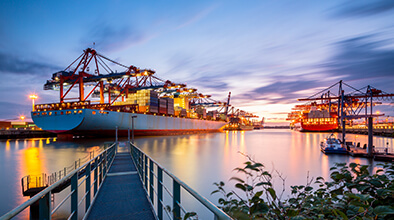
The Port of Brownsville supports more than 6,000 direct jobs and operates six liquid cargo docks, twelve general cargo docks, and a fishing harbor built for as many as 500 boats, according to the TxDOT port profile. It is the only deepwater seaport located directly on the United States border with Mexico. Deckhands, longshore workers, welders, and crane operators all work within a few miles of the same channel. A Brownsville maritime attorney must identify the correct employer, contractor, or vessel owner before a claim can be properly valued.
Types of Maritime Cases We Handle in Brownsville
Maritime employment in Brownsville extends well beyond crew positions aboard oceangoing vessels. It includes tug crews on the Gulf Intracoastal Waterway, cutting crews in the ship recycling yards, and commercial fishermen operating through Brazos Santiago Pass. Each occupation carries distinct hazards and, frequently, a different body of governing law.
- Jones Act claims. Deckhands, tugboat crew, barge hands, and dredge workers who qualify as seamen can sue their employer when negligence contributed to an injury. Seaman status depends on a worker’s connection to a vessel in navigation, an issue employers routinely contest.
- Dock worker injuries. Longshore workers, lashing crews, and crane operators are injured by shifting cargo, failed rigging, and forklift strikes. These workers are generally not seamen, so the claim often involves a stevedore or vessel owner rather than the direct employer.
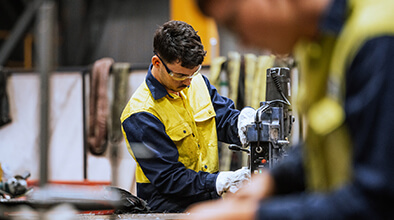
- Ship recycling accidents. Brownsville is the center of American ship recycling, and dismantling a vessel requires hot work, confined space entry, and removal of large steel sections. We examine hot work permits, gas free certificates, and the contractor chain on the yard.
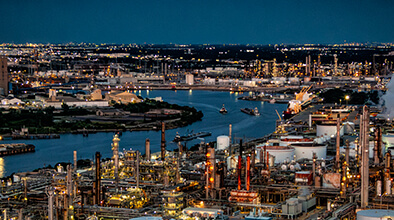
- Refinery accidents. Liquid bulk terminals and tank farms along the channel move refined petroleum products in and out of Mexico daily. Transfer operations and tank entry work injure crew and shoreside employees alike, and responsibility frequently rests with a facility operator that does not employ the injured worker.
- Explosion accidents. Vessel fires, tank ruptures, and ignition during welding produce catastrophic burns and blast trauma. Physical evidence is often removed or scrapped within days, so we act promptly to preserve the equipment and maintenance history.
- Workplace injuries. Not every port injury occurs on the water. Warehouse falls, machinery incidents, and heat illness at port facilities support claims against a negligent contractor or property owner.
- Towing vessel accidents. Line handling injuries, allisions with docks, and falls between barges occur regularly on the Gulf Intracoastal Waterway. Crew fatigue and short handed watches appear repeatedly in voyage records.
- Commercial fishing injuries. The Brownsville Fishing Harbor supports one of the largest shrimping fleets on the Gulf. Winch entanglements and man overboard incidents occur far from shore, and boat owners do not always carry the coverage a larger operator would.
- Maritime wrongful death. Families who lose a crew member face a federal claim against a company that has already retained counsel. Recoverable losses depend on where the death occurred and on the worker’s legal status.
Why Choose Greenberg Streich Injury Lawyers as my Maritime Lawyer in Brownsville, TX?
Maritime Experience Built From the Defense Side
Mike Streich began his career at Royston, Rayzor, Vickery & Williams, one of the oldest maritime firms in Texas, and later practiced at Phelps Dunbar in Louisiana, representing vessel owners and offshore companies. As a young associate he served as an on call first responder, boarding vessels to investigate incidents and interview crew members while the facts were still fresh. He also spent a year as in house counsel to an offshore construction company. Super Lawyers has named him a Texas Rising Star in 2014, from 2017 through 2021, and every year since 2023. Matt Greenberg, a 2014 graduate of Baylor Law School, has been recognized by Super Lawyers and the National Trial Lawyers.
Results in Maritime and Offshore Cases
Our attorneys have recovered more than $300 million for injured people and their families. Maritime and offshore recoveries include:
- $16,000,000 for a Jones Act seaman who sustained head and neck injuries working offshore
- $3,525,000 for a maritime injury claim
- $2,700,000 in a maritime injury settlement
- $2,250,000 for a maritime injury claim
Vessel owners and their insurers keep track of which firms are willing to try a case, and that shapes what they offer to settle. This is worth considering when you hire a personal injury lawyer in Brownsville, TX; our fee is paid from the recovery, so nothing is owed while the case is pending.
Understanding Maritime Injury Cases
Damages, Liability, and Compensation for Maritime Cases
The Jones Act permits an injured seaman to sue the employer, with the right to a jury, when the employer’s negligence contributed to the injury. Separate from negligence, a vessel owner owes the crew a seaworthy vessel, meaning equipment and crew reasonably fit for the work. An injured seaman is also owed maintenance and cure, which covers living expenses and medical treatment until recovery levels off, regardless of fault.
Recoverable damages generally include:
- Past and future medical treatment, including surgery and rehabilitation
- Lost wages and reduced earning capacity
- Physical pain, mental anguish, and disfigurement
- Long term care costs for a permanent disability
- Financial and personal losses sustained by a family after a death
How much your own fault matters depends on which body of law governs the claim. In a maritime negligence case, a worker’s share of fault reduces the award but does not eliminate it. A claim brought under Texas law instead, such as a highway car accident involving a port worker, falls under Texas proportionate responsibility, which bars recovery entirely once a claimant is more than 50 percent responsible. Texas has also reworked parts of its injury litigation rules, and those recent Texas legal changes affect how shoreside claims are pleaded and valued.
What Are Important Aspects of a Maritime Case?
Maritime claims depend on evidence that becomes harder to obtain as time passes. Vessels return to service, recycling yards dismantle equipment, and crew members move to other employers. These are the points we address first:
- Seaman status, because it determines which claims are available at all
- Vessel logs, voyage data, and job safety analyses from the date of the incident
- The employer’s internal investigation, which typically begins within hours
- Recorded statements requested before an injured worker has retained counsel
- Medical records connecting the injury to the event rather than to prior work
Shipyard and ship repair work carries an injury rate more than twice that of construction and general industry, according to OSHA. A written report, prompt medical care, and photographs of the scene are the steps after an accident that carry the most weight a year later.
What Is The Maritime Case Timeline?
How long a case takes depends on the injury, the number of defendants, and whether the matter proceeds in state or federal court. Filing deadlines establish the outer limits. A maritime tort claim generally must be filed within three years of the date the claim arose, while a claim under Texas law generally carries a two year deadline.
- Investigation and evidence preservation, usually during the first several weeks
- Medical treatment until physicians can describe the long term prognosis
- Filing suit and identifying every responsible company
- Written discovery, document production, and depositions of crew and supervisors
- Mediation, followed by trial preparation if the offer does not reflect the harm
What Should You Bring to Your Maritime Consultation?
No documents are required for an initial consultation, and our attorneys can obtain most records on your behalf. If you have any of the following, bring it with you:
- Any incident or injury report you signed or received
- Pay stubs, a vessel assignment sheet, or your employment contract
- Photographs or video of the equipment, deck, or work area
- The names of coworkers who witnessed the incident
- Medical records, work restrictions, and bills received to date
During the meeting, our maritime attorneys in Brownsville will identify which body of law applies and explain the strengths and weaknesses of the claim. Fee structure, trial experience, and who will handle your file are fair questions to ask, and we will answer them at that first meeting.
Most Dangerous Locations for Maritime Accidents in Brownsville, TX
Maritime injuries concentrate where vessels, cargo, and shoreside contractors work in close quarters.
Waterways and port facilities:
- Brownsville Ship Channel. Seventeen miles of restricted navigation carrying tug, barge, and deep draft traffic, now being deepened to 52 feet.
- Brazos Santiago Pass. The jettied entrance where shrimp boats and towing vessels meet open Gulf conditions and cross currents.
- Ship recycling yards. Cutting, rigging, and confined space work on end of life vessels, much of it in South Texas heat.
- Liquid cargo and oil docks. Transfer operations for refined petroleum products, where fire and vapor exposure risk is highest.
- Brownsville Fishing Harbor. Shallow basins crowded with shrimping vessels, winches, and dockside gear.
- Gulf Intracoastal Waterway junction. Barge tows entering and leaving the channel in tight water.
Port access roads carrying the heaviest cargo traffic:
- State Highway 48. The primary link between Brownsville and Port Isabel, heavily used by loaded trucks.
- State Highway 4, or Boca Chica Boulevard. Mixed industrial and construction traffic east of town.
- State Highway 550. A direct connection between the port and the interstate.
- FM 511. A heavy truck route serving port terminals and industrial sites.
- Interstate 69E and US 77. The corridor moving port freight north.
Reach Out to Greenberg Streich Injury Lawyers to Schedule a Consultation
Our fee is contingent, which means nothing is owed up front and nothing is owed at all unless we recover compensation. The first meeting with our Brownsville maritime attorney is free, and you will leave it knowing where your case stands. We respond to new inquiries promptly and can meet by phone when travel is difficult. Contact us to schedule a consultation.