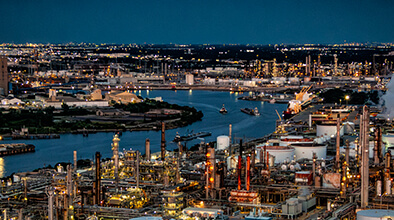
Refinery Accident Lawyer League City, TX
If you have been injured in a refinery accident, you are facing injuries that require specialized legal representation. Refineries process crude oil under extreme pressure and high temperatures. Equipment failures, chemical releases, and process upsets cause explosions, fires, and toxic exposures that result in catastrophic injuries. The companies that operate these facilities retain experienced defense counsel immediately after incidents occur.
At Greenberg Streich Injury Lawyers, our League City, TX refinery accident lawyer brings more than two decades of combined experience to industrial injury cases throughout Texas. We have recovered over $300 million for injured clients, including $7.37 million in a plant and refinery accident case. We handle every case on contingency. You pay nothing unless we recover compensation for you.
Why Choose Greenberg Streich Injury Lawyers for Refinery Accidents in League City, TX?
Direct Experience With Refinery Accident Litigation
Refinery cases require attorneys who understand petrochemical operations, process safety management, and the regulatory framework governing these facilities. Insurance companies evaluate claims based partly on whether opposing counsel has handled similar cases successfully.
Mike Streich spent nearly a decade defending corporations and insurance syndicates in catastrophic injury and death cases. He represented Lloyd’s of London syndicate members specifically in refinery, oilfield, and industrial accident claims. He learned how refinery operators investigate accidents, evaluate exposure, and construct defenses designed to minimize liability.
That experience now benefits injured workers. Mike understands refinery operations. He knows how defendants will approach your case because he spent years developing those approaches himself. Mike graduated cum laude from the University of Houston Law Center and has been designated a Texas Rising Star by Super Lawyers in 2014, 2017 through 2021, and 2023 through 2025.
Record Results in Catastrophic Industrial Cases
Matt Greenberg has served as lead trial counsel in catastrophic injury cases producing record results across Texas. Our firm recovered $7.37 million in a plant and refinery accident case. Matt also secured $20 million for an oilfield worker who suffered severe burns when contractors failed to close a blowout preventer valve, an industrial accident with parallels to refinery incidents.
Matt obtained a $37.5 million verdict in Dallas County and a $35 million settlement in Fort Worth, the largest recorded personal injury settlement in Tarrant County at the time. He graduated magna cum laude from Abilene Christian University and earned his J.D. from Baylor Law School. He has been recognized by Super Lawyers, Lawdragon, and the National Trial Lawyers.
Understanding Refinery Operations and Hazards
Refinery accident cases require understanding the specific processes involved. Distillation units. Catalytic crackers. Alkylation units. Hydrogen plants. Each involves distinct hazards and different potential failure modes. Establishing liability means demonstrating what went wrong and identifying every party who bears responsibility.
We work with process engineers, safety consultants, and industry specialists to investigate refinery accidents thoroughly. If you need a personal injury lawyer in League City, TX with genuine industrial accident experience, our firm provides that representation.
Contingency Fee Representation
Refinery workers recovering from serious injuries face substantial medical expenses and lost wages. Legal fees should not compound that burden. We handle refinery accident cases on contingency. No retainer. No hourly billing. You pay nothing unless we recover compensation for you.
What Our Clients Say
⭐⭐⭐⭐⭐
“Mike Streich is an exceptional attorney. He took the time to understand my situation and fought tirelessly on my behalf. His knowledge of industrial injury cases was evident throughout the process. I felt confident that my case was in capable hands from day one.” — Brandon Hattaway
Read more reviews on our Google Business Profile.
Types of Refinery Accident Cases We Handle in League City
 League City’s proximity to the Texas City industrial complex and Houston Ship Channel refineries means many area residents work in petrochemical facilities. We represent refinery accident victims in claims involving:
- Explosions. Refineries process hydrocarbons under conditions that create constant explosion risk. Equipment failures, process upsets, and ignition sources cause catastrophic incidents. The 2005 Texas City refinery explosion killed 15 workers and injured more than 170, demonstrating the potential scale of these events.
- Fires. Flammable materials, high temperatures, and pressurized systems create fire hazards throughout refineries. Fires cause severe burns, smoke inhalation injuries, and fatalities. Workers may be trapped by rapidly spreading fires before evacuation is possible.
- Chemical exposures. Refineries process toxic substances including benzene, hydrogen sulfide, and various hydrocarbons. Acute exposures cause immediate harm. Chronic exposures cause cancer, respiratory disease, and neurological damage that may not manifest for years.
- Equipment failures. Pressure vessels, heat exchangers, pumps, valves, and piping systems fail when not properly maintained or when operated beyond design limits. Equipment failures cause releases, explosions, and mechanical injuries.
- Confined space incidents. Tanks, vessels, and enclosed areas present oxygen deficiency, toxic atmosphere, and engulfment hazards. Confined space accidents cause fatalities when proper entry procedures are not followed.
- Falls. Refinery structures include towers, platforms, catwalks, and elevated work areas. Falls from height cause traumatic brain injuries, spinal cord injuries, and fatalities. Inadequate fall protection and slippery surfaces contribute to these incidents.
- Struck-by incidents. Overhead cranes, dropped objects, and moving equipment create struck-by hazards. Head injuries, crush injuries, and fatalities result from inadequate safety procedures.
- Turnaround injuries. Scheduled maintenance shutdowns bring additional contractors onto refinery property. Compressed timelines and unfamiliar workers increase accident risk. Construction and maintenance activities during turnarounds cause numerous injuries.
- Workplace injuries. Beyond major incidents, refineries present daily hazards causing sprains, strains, lacerations, and other injuries. Cumulative trauma from repetitive tasks affects long-term worker health.
- Wrongful death. When refinery accidents prove fatal, surviving family members may pursue claims for lost financial support, loss of companionship, and mental anguish.
Texas Legal Requirements for Refinery Accident Cases
Refinery accident claims involve complex regulatory frameworks and often multiple potentially responsible parties. Understanding these requirements is essential for protecting your rights.
OSHA Process Safety Management
OSHA’s Process Safety Management (PSM) rules, found in 29 CFR 1910.119, mandate that refineries establish and maintain PSM programs. These programs encompass several key elements: hazard analysis, clearly defined operating procedures, mechanical integrity programs, and protocols for investigating incidents. When a refinery’s PSM standards are violated, it can be used as proof of negligence in legal cases stemming from accidents.
EPA Risk Management Program
The Environmental Protection Agency requires refineries to develop Risk Management Plans under the Clean Air Act. These plans address accident prevention, emergency response, and hazard assessment. EPA citations and violations may support civil claims arising from refinery accidents.
Negligence and Premises Liability
Refinery operators owe duties of reasonable care to workers and visitors. Negligence claims require proving the refinery failed to meet applicable safety standards and that failure caused injury. Premises liability principles apply when hazardous conditions on refinery property cause harm.
Third-Party Liability
Refineries employ numerous contractors for maintenance, construction, and specialized services. When contractor negligence causes injury, claims against those contractors remain available regardless of workers’ compensation coverage. Equipment manufacturers may face product liability claims when defective products cause accidents.
Statute of Limitations
Personal injury claims must be filed within two years under Texas Civil Practice and Remedies Code Section 16.003. Wrongful death claims carry the same deadline. However, refinery accident investigations require immediate action to preserve evidence before equipment is repaired or accident scenes are altered.
Modified Comparative Fault
Texas applies modified comparative fault under Texas Civil Practice and Remedies Code Section 33.001. If you bear partial responsibility, your recovery is reduced proportionally. If your fault exceeds 50 percent, you recover nothing. Defense attorneys frequently argue refinery workers contributed to accidents by failing to follow safety procedures. We counter those arguments with evidence establishing defendant responsibility.
What Damages Are Recoverable in League City Refinery Accident Cases?
 Refinery accidents inflict severe injuries, leading to lasting physical, emotional, and financial hardships. Under Texas law, victims can seek compensation for economic losses, non-economic damages, and, when warranted, punitive damages.
Economic Damages
Economic damages compensate for financial losses with documented or projected values.
Medical expenses encompass a wide range of services: emergency care, hospital stays, surgical procedures, burn treatment, rehabilitation, and long-term follow-up. When refinery accidents result in significant injuries, patients often need the expertise of burn centers and trauma units. The financial burden of treating severe burns or chemical exposures can easily climb into the millions of dollars over a person’s lifetime.
Lost wages cover income lost during recovery. Refinery workers often earn premium wages including overtime and hazard pay. Calculations reflect actual earnings rather than minimum wage assumptions.
Lost earning capacity applies when injuries prevent return to refinery work. Severe burns, amputations, respiratory damage, and traumatic brain injuries often cause permanent limitations. Calculations project income loss over the remaining work life at refinery wage levels.
Vocational rehabilitation costs may be recoverable when injuries require retraining for alternative employment.
Non-Economic Damages
Non-economic damages address losses without precise dollar values but with substantial impact on quality of life.
Pain and suffering compensates for physical pain during the accident and throughout recovery. Burns, chemical injuries, and blast trauma cause severe, lasting pain affecting every aspect of daily life.
Mental anguish covers psychological trauma, anxiety, depression, and post-traumatic stress disorder. Refinery accident survivors frequently experience lasting psychological effects from witnessing explosions, fires, and coworker injuries.
Disfigurement applies when injuries cause visible scarring, burns, or limb loss. These changes affect appearance, self-perception, and social interactions permanently.
Loss of consortium allows spouses to recover for damage to the marital relationship resulting from the injured person’s condition.
Punitive Damages
Punitive damages may apply under Texas Civil Practice and Remedies Code Section 41.003 when defendant conduct involves gross negligence. Refineries that knowingly ignore safety hazards, falsify inspection records, or prioritize production over worker safety may face punitive damages.
What Steps Should I Take After a Refinery Accident?
Actions taken following a refinery accident affect both medical outcomes and legal rights. These steps help protect your interests throughout the claims process.
1. Seek immediate medical attention.
Refinery injuries require emergency medical care. Accept transport to a trauma center or burn unit if recommended. Chemical exposure symptoms may not manifest immediately but can cause serious harm without prompt treatment.
2. Report the incident.
Ensure the accident is reported through proper channels. OSHA requires reporting of fatalities and hospitalizations. Document all reports made and obtain copies of incident documentation.
3. Document your injuries.
Photograph injuries during treatment and recovery. Maintain records of all symptoms, including respiratory problems, skin reactions, and neurological effects that may develop after initial exposure.
4. Preserve evidence.
If possible, document the accident scene before cleanup occurs. Keep any personal protective equipment and clothing worn during the incident. Refinery accident scenes are often altered quickly as equipment is repaired.
5. Identify witnesses.
Coworkers who observed conditions before and during the accident provide important testimony. Collect contact information before witnesses transfer to other assignments or leave employment.
6. Obtain incident reports.
Request copies of all incident reports, safety inspection records, and maintenance logs. These documents may establish negligence or regulatory violations supporting your claim.
7. Decline recorded statements without counsel.
Refinery operators and their insurers investigate immediately after accidents. Company representatives may seek statements while you are still recovering. Decline recorded statements until you have consulted with an attorney.
8. Document financial losses.
Maintain records of all medical expenses, lost wages, and other costs resulting from the accident. These documents support damage calculations.
9. Follow treatment protocols.
Attend all medical appointments and follow treatment recommendations. Gaps in treatment provide arguments that injuries were not as serious as claimed.
10. Contact a League City refinery accident attorney.
Refinery cases involve complex liability questions, multiple potential defendants, and aggressive defense tactics from experienced corporate counsel. Early consultation allows investigation while evidence remains available.
Refinery Accident Statistics in League City
League City’s proximity to major refinery complexes means area residents face elevated risk through employment and proximity to these facilities.
The U.S. Chemical Safety and Hazard Investigation Board investigates serious chemical incidents including refinery explosions and fires. CSB reports document recurring safety failures in the refining industry, including inadequate maintenance, insufficient process safety management, and inadequate emergency response planning.
The Bureau of Labor Statistics tracks workplace injuries and fatalities in petroleum refining. The industry experiences elevated rates of burns, chemical exposures, and fatal injuries compared to general manufacturing. Significant numbers of Galveston County residents work in refining operations.
OSHA maintains records of safety violations and citations at refineries. The Houston-Galveston region contains numerous facilities that have received citations for process safety management violations, hazardous communication failures, and other regulatory deficiencies.
The Texas City industrial complex, located adjacent to League City, contains multiple refineries including facilities operated by Marathon and Valero. The 2005 BP Texas City refinery explosion killed 15 workers and injured more than 170 others. That incident prompted significant regulatory attention and demonstrated the catastrophic potential of refinery accidents in this region.
The Houston Ship Channel corridor contains additional refining capacity. Workers from League City commute to refineries throughout this corridor, facing daily exposure to refinery hazards during their employment.
According to the American Petroleum Institute, U.S. refineries process approximately 18 million barrels of crude oil daily. This volume creates continuous operational hazards requiring constant safety vigilance. When safety systems fail, the consequences affect workers, surrounding communities, and the environment.
League City Refinery Accident Lawyer FAQs
 What causes refinery accidents?
 What causes refinery accidents?
Refinery accidents result from various factors including equipment failures, process upsets, human error, inadequate maintenance, and safety violations. Common specific causes include pressure vessel failures, chemical releases, ignition of flammable atmospheres, confined space hazards, and mechanical failures.
Who can be held liable for a refinery accident?
Potentially liable parties depend on the circumstances. Refinery operators may be liable for safety violations. Equipment manufacturers may be liable for defective products. Contractors may be liable for negligent work. Multiple parties often share responsibility for refinery accidents.
What if I was injured as a contractor at a refinery?
Contractor injuries involve a particular set of legal complexities. You might face workers’ compensation claims against your employer, and simultaneously pursue third-party claims against the refinery operator, equipment manufacturers, or other contractors whose actions, or inactions, played a role in your injury. These third-party claims open the door to recovering damages for pain and suffering, which aren’t covered by workers’ compensation.
How long do I have to file a refinery accident claim?
Personal injury claims must be filed within two years in Texas. Wrongful death claims carry the same deadline. However, evidence in refinery cases must be preserved immediately because accident scenes are typically altered within days as equipment is repaired or replaced.
What types of injuries occur in refinery accidents?
Refinery accidents cause burns, chemical exposures, respiratory injuries, traumatic brain injuries, spinal cord injuries, amputations, and fatalities. Chemical exposure injuries may not manifest symptoms immediately but can cause serious long-term harm including cancer.
How is the value of a refinery accident case determined?
Case value depends on injury severity, medical costs, lost earning capacity, and long-term impacts on quality of life. Our firm recovered $7.37 million in a plant and refinery accident case. We provide candid assessments during consultations based on specific circumstances.
What is process safety management?
Process safety management refers to OSHA regulations requiring refineries to implement comprehensive safety programs addressing hazard analysis, operating procedures, mechanical integrity, and emergency response. PSM violations frequently contribute to refinery accidents and serve as evidence of negligence.
Can I sue the refinery if my employer is a contractor?
Yes. Third-party claims against refinery operators remain available regardless of your employment relationship. If the refinery’s negligence contributed to your injury, you can pursue claims against them directly. This allows recovery of damages beyond workers’ compensation benefits.
What evidence matters in refinery accident cases?
Critical evidence includes incident reports, maintenance records, process safety documentation, permit records, witness statements, photographs, and equipment involved in the accident. Evidence preservation is essential because refinery operators typically repair or replace equipment quickly after incidents.
What if I was exposed to toxic chemicals at a refinery?
Chemical exposure claims may involve both immediate injuries and long-term health effects. Document all symptoms. Seek medical evaluation specifically addressing chemical exposure. Maintain records of which chemicals you were exposed to and for how long. Some occupational diseases have extended statutes of limitations.
How do refinery injuries differ from other workplace injuries?
Refinery injuries often involve multiple trauma mechanisms and toxic exposures simultaneously. Burns, blast injuries, and chemical exposure may occur together. The industrial setting creates unique hazards not present in other workplaces. Treatment often requires specialized burn centers and toxicology expertise.
What if a coworker’s negligence caused my injury?
In most cases, you cannot sue coworkers directly for workplace negligence. However, you may have claims against the refinery operator for inadequate supervision, training, or safety systems. Third-party claims against equipment manufacturers or other contractors may also be available.
Will the refinery investigate the accident?
Yes. Refineries investigate accidents through internal safety departments. OSHA may also investigate incidents resulting in fatalities or hospitalizations. However, internal investigations serve the refinery’s interests. Independent investigation by your own attorneys is essential for building your case effectively.
How do I pay for medical treatment while my case is pending?
Workers’ compensation may provide immediate medical benefits. Health insurance may cover treatment with reimbursement from settlement proceeds. Some medical providers treat on a lien basis, deferring payment until case resolution.
Do I need an attorney for a refinery accident case?
Refinery cases involve complex technical issues, federal safety regulations, and sophisticated defense tactics. Refinery operators and their insurers retain experienced counsel immediately after incidents. Having attorneys with industrial accident experience substantially affects case outcomes.
Most Dangerous Refineries and Industrial Facilities Near League City
League City residents face refinery accident risk through employment at regional facilities and proximity to industrial operations.
Texas City Refinery Complex contains multiple facilities immediately adjacent to League City. The Marathon Galveston Bay Refinery processes over 500,000 barrels daily, making it one of the largest in the United States. Valero Texas City Refinery adds substantial additional capacity.
Houston Ship Channel Refineries employ workers from throughout the region. ExxonMobil Baytown, LyondellBasell Houston, and numerous other facilities line the channel. League City residents commute to these refineries daily.
Pasadena Refinery Complex includes multiple facilities processing crude oil and petrochemicals. Workers from League City and surrounding communities staff these operations.
Deer Park Industrial Complex contains Shell Deer Park and other petrochemical operations. The facility processes both refining and chemical manufacturing.
La Marque Industrial Facilities near League City include chemical processing and manufacturing operations with associated hazards.
Texas City Terminals handle crude oil and refined products moving to and from area refineries. Terminal operations present spill, fire, and explosion risks.
Workers employed at these facilities face daily exposure to refinery hazards throughout their careers. Residents living near these facilities face risk from major incidents affecting surrounding communities.
What Are Important Local Resources for League City Refinery Accidents?
 These resources may assist refinery accident victims in League City. Listing does not constitute endorsement by Greenberg Streich Injury Lawyers.
U.S. Chemical Safety and Hazard Investigation Board investigates major refinery accidents and issues safety recommendations.
Occupational Safety and Health Administration Houston Area Office investigates workplace safety violations at refineries. Phone: (281) 286-0583
Texas Commission on Environmental Quality monitors refinery emissions and responds to chemical releases affecting communities.
Environmental Protection Agency Region 6 oversees refinery compliance with federal environmental regulations.
UTMB Health Galveston provides trauma and burn services for refinery injuries requiring specialized care.
HCA Houston Healthcare Clear Lake offers emergency services for refinery injuries. Phone: (281) 332-2511
UTMB Health League City Campus provides primary care and specialist referrals. Phone: (409) 772-1011
Texas Department of Insurance, Division of Workers’ Compensation administers workers’ compensation benefits for workplace injuries.
Galveston County Health District monitors public health impacts from industrial facilities in the region.
Contact Greenberg Streich Injury Lawyers
Refinery accidents cause catastrophic injuries requiring substantial medical treatment and extended recovery. The companies that operate these facilities are sophisticated defendants with experienced legal counsel. They investigate accidents immediately and begin building defenses before injured workers have even left the hospital.
Our League City refinery accident attorneys understand how to counter these tactics. Mike Streich spent nearly a decade defending refinery operators and Lloyd’s of London syndicate members in industrial accident cases. He knows how defendants approach these claims because he spent years developing those approaches himself. That knowledge now benefits injured workers.
We have recovered over $300 million for injured clients across Texas, including $7.37 million in a plant and refinery accident case. We understand refinery operations. We work with process engineers and safety consultants to establish what went wrong. We prepare every case for trial because that preparation produces results.
Free consultations. No fees unless we win. If you or a family member has been injured in a refinery accident in League City or anywhere in Galveston County, contact Greenberg Streich Injury Lawyers.