Maritime Injury Lawyer League City, TX
If you’ve been injured working aboard a vessel, you’re dealing with a legal system most attorneys don’t understand. State personal injury law doesn’t apply. Federal maritime law does. The Jones Act may govern your claim. Or the Longshore Act. Or general maritime law. Determining which framework applies requires attorneys who actually know the difference.
At Greenberg Streich Injury Lawyers, our League City, TX maritime injury lawyer brings real maritime industry experience to these cases. We have recovered over $300 million for injured clients, including $16 million in a Jones Act traumatic brain injury case. We handle every maritime injury case on contingency. You pay nothing unless we recover compensation for you.
Why Choose Greenberg Streich Injury Lawyers for Maritime Injuries in League City, TX?
Genuine Maritime Law Background
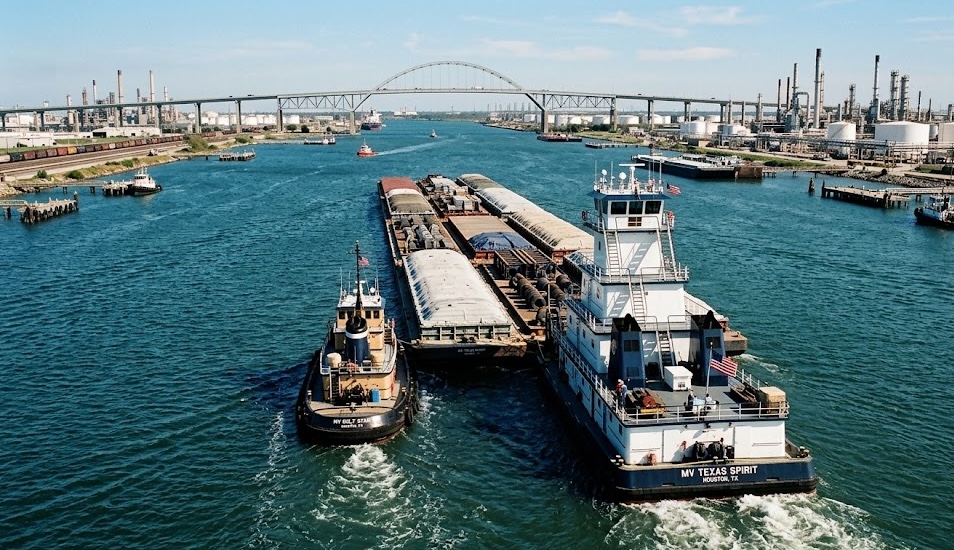
Maritime injury cases require attorneys who understand vessel operations, crew classifications, and the federal statutes governing injuries on navigable waters. Most personal injury firms lack this knowledge entirely.
Mike Streich spent 14 years handling maritime injury matters. He worked at Royston Rayzor, the oldest maritime law firm in Texas. He worked at Phelps Dunbar, the largest maritime firm in Louisiana. He served as on-call first responder for shipboard investigations, boarding vessels immediately after serious incidents to preserve evidence and document conditions. He spent a year as in-house counsel for an offshore construction company, gaining firsthand knowledge of maritime operations.
For nearly a decade, Mike defended vessel owners, offshore operators, and Lloyd’s of London syndicate members in catastrophic injury and wrongful death cases. He knows how maritime defendants evaluate claims. He knows their defenses. He knows how to defeat them. That experience now benefits injured maritime workers instead of the companies responsible for their injuries.
Mike graduated cum laude from the University of Houston Law Center and has been designated a Texas Rising Star by Super Lawyers in 2014, 2017 through 2021, and 2023 through 2025.
Record Results in Catastrophic Injury Cases
Matt Greenberg has served as lead trial counsel in cases producing record verdicts and settlements across Texas. He secured a $37.5 million verdict in Dallas County. He obtained a $35 million settlement in Fort Worth, the largest recorded personal injury settlement in Tarrant County. He holds the largest recorded personal injury verdict in Montgomery County.
In maritime cases specifically, our firm recovered $16 million in a Jones Act case involving traumatic brain injury. We also secured $20 million for an oilfield worker who suffered severe burns when contractors failed to close a blowout preventer valve.
Matt graduated magna cum laude from Abilene Christian University and earned his J.D. from Baylor Law School. He has been recognized by Super Lawyers, Lawdragon, and the National Trial Lawyers.
We Know How Maritime Defendants Think
Most plaintiff’s attorneys learn defense tactics by encountering them. Mike spent years creating those tactics. He represented vessel owners. He advised Lloyd’s of London syndicates. He knows what evidence defendants want buried. He knows how they attack causation and minimize injuries. He knows their medical experts and the arguments those experts make.
When you face a maritime employer or vessel owner, you face sophisticated defendants with specialized counsel. Having an attorney who operated in that world levels the playing field. If you need a personal injury lawyer in League City, TX with real maritime credentials, our firm provides that experience.
Contingency Fee Representation
Maritime workers recovering from serious injuries face enough financial pressure without worrying about legal fees. We handle maritime injury cases on contingency. No retainer. No hourly billing. You pay nothing unless we win.
What Our Clients Say
⭐⭐⭐⭐⭐
“Mike Streich was amazing to work with. He was very knowledgeable about maritime law and kept me updated throughout the entire process. He fought hard for me and got a great result. I would highly recommend him to anyone who has been injured while working on a vessel.” — Brandon Hattaway
Read more reviews on our Google Business Profile.
Types of Maritime Injury Cases We Handle in League City
 League City’s proximity to Galveston Bay and the Gulf of Mexico means many residents work in maritime industries. Crew members, harbor workers, and vessel operators face daily hazards. We represent maritime workers in claims involving:
- Jones Act seaman injuries. Crew members injured aboard vessels in navigation may pursue Jones Act claims for employer negligence. This includes workers on tugboats, supply vessels, tankers, cargo ships, and fishing vessels. The negligence standard is lower than ordinary negligence, meaning even slight employer fault supports recovery.
- Offshore platform injuries. Workers on drilling rigs, production platforms, and floating facilities face industrial hazards compounded by marine conditions. Classification determines whether Jones Act, Longshore Act, or other maritime remedies apply.
- Harbor worker injuries. Longshoremen, dock workers, and shipyard employees injured in maritime employment may have claims under the Longshore and Harbor Workers’ Compensation Act. Third-party claims against negligent parties remain available alongside LHWCA benefits.
- Tugboat and towboat accidents. Crew members on tugs operating in Galveston Bay, the Houston Ship Channel, and Gulf waters face collision risk, deck hazards, and equipment failures. These vessels operate in congested waterways with significant traffic.
- Boating accidents. Commercial and recreational vessel collisions, groundings, and capsizing cause injuries and fatalities in Galveston Bay. Operator negligence, equipment failures, and weather conditions contribute to these incidents.
- Crane and cargo injuries. Loading and unloading operations create struck-by and crush hazards. Stevedores, deckhands, and dock workers face risk from shifting cargo, rigging failures, and crane malfunctions.
- Slip and fall accidents. Wet decks, fuel spills, and unsecured equipment create fall hazards aboard vessels. Vessel owners must maintain reasonably safe conditions under the unseaworthiness doctrine.
- Diving accidents. Commercial divers performing underwater inspection, repair, and construction face decompression injuries, entanglement, and equipment failures. Diving contractors must comply with OSHA commercial diving regulations.
- Explosion accidents. Fuel, chemicals, and welding operations create fire risk aboard vessels. Burns sustained at sea face delayed treatment, worsening outcomes.
- Wrongful death. When maritime accidents prove fatal, surviving family members may pursue claims under the Jones Act, general maritime law, or the Death on the High Seas Act depending on where the death occurred.
Texas Legal Requirements for Maritime Injury Cases
 Maritime injury claims fall under federal law rather than Texas state law. The applicable statute depends on worker classification, injury location, and employer type. Understanding this framework is essential because it determines available remedies.
The Jones Act
The Merchant Marine Act of 1920, known as the Jones Act, provides remedies for seamen injured due to employer negligence or vessel unseaworthiness. Seaman status requires spending a significant portion of employment aboard a vessel in navigation and contributing to the vessel’s function or mission.
Jones Act claims differ from ordinary negligence. The standard is lower. Even slight employer fault supports recovery. Available damages include medical expenses, lost wages, pain and suffering, and other losses. The Jones Act also provides maintenance and cure, requiring vessel owners to pay living expenses and medical treatment until maximum medical improvement regardless of fault.
General Maritime Law
General maritime law provides additional remedies beyond the Jones Act. Unseaworthiness claims hold vessel owners strictly liable when vessel conditions or equipment are not reasonably fit for intended purposes. Unlike negligence, unseaworthiness does not require proving fault. A defective winch, slippery deck, or inadequate safety equipment renders a vessel unseaworthy regardless of whether the owner knew about the condition.
Longshore and Harbor Workers’ Compensation Act
The Longshore and Harbor Workers’ Compensation Act covers maritime workers who do not qualify as seamen. This includes longshoremen, harbor workers, shipbuilders, and ship repairers. LHWCA provides no-fault workers’ compensation benefits including medical expenses and partial wage replacement. It does not include pain and suffering damages.
However, injured workers may pursue third-party claims against parties other than their employer. Equipment manufacturers, vessel owners, and negligent contractors may face liability beyond LHWCA benefits.
Outer Continental Shelf Lands Act
The Outer Continental Shelf Lands Act extends certain federal and state laws to artificial islands and platforms on the outer continental shelf. Platform workers may have claims under OCSLA depending on their duties and injury circumstances.
Statute of Limitations
Jones Act claims must be filed within three years under 46 U.S.C. § 30106. This differs from Texas’s two-year limitations period for personal injury claims. LHWCA claims have shorter notice requirements. Consulting an attorney promptly ensures all deadlines are met.
What Damages Are Recoverable in League City Maritime Injury Cases?
 Maritime injuries often cause catastrophic outcomes. Working aboard vessels involves heavy equipment, moving machinery, and hazardous conditions. Available damages depend on which maritime law applies.
Economic Damages
Economic damages compensate for financial losses with documented or projected values.
Medical expenses include emergency treatment, hospitalization, surgery, rehabilitation, and ongoing care. Maritime injuries requiring evacuation from vessels incur significant costs before hospital treatment begins. We work with medical specialists to project lifetime treatment needs.
Lost wages cover income lost during recovery. Maritime workers often earn premium wages. Calculations reflect actual earnings including overtime, bonuses, and benefits.
Lost earning capacity applies when injuries prevent return to maritime employment. Many maritime injuries cause permanent limitations making vessel work impossible. Calculations project income loss over remaining working years.
Maintenance and cure applies to Jones Act seamen. Vessel owners must pay daily living expenses and medical treatment until maximum medical improvement regardless of fault. Employers who unreasonably deny maintenance and cure may face additional damages.
Non-Economic Damages
Non-economic damages address losses without precise dollar values but with significant impact on quality of life.
Pain and suffering compensates for physical pain from injuries and throughout recovery. Maritime injuries frequently involve crush injuries, amputations, and severe burns causing lasting pain.
Mental anguish covers psychological trauma, anxiety, depression, and post-traumatic stress. Many maritime accident survivors develop lasting psychological effects including fear of returning to vessel work.
Disfigurement applies when injuries cause visible scarring, burns, or limb loss.
Loss of consortium allows spouses to recover for damage to the marital relationship caused by injuries.
Punitive Damages
Punitive damages may apply when defendants acted with willful misconduct or gross negligence. Vessel owners who knowingly operate unseaworthy vessels, falsify inspection records, or ignore serious safety hazards may face punitive damages. Texas law under Civil Practice and Remedies Code Section 41.003 caps punitive damages in most circumstances.
What Steps Should I Take After a Maritime Injury?
 Actions taken after a maritime injury affect both health outcomes and legal rights. The unique circumstances of vessel-based incidents require specific steps.
1. Report the injury immediately.
Federal regulations require logging injuries aboard vessels. Report to the captain, master, or supervisor. Ensure the injury is recorded in the ship’s log or official incident report. Request copies before leaving the vessel.
2. Seek medical attention.
Accept medical evacuation if needed. Do not minimize injuries to avoid leaving the vessel. Delayed treatment worsens outcomes and provides defendants arguments that injuries weren’t serious.
3. Document everything possible.
Photograph the accident scene, equipment involved, vessel conditions, and your injuries if physically able. Conditions aboard vessels change rapidly. Equipment gets repaired or replaced. Document evidence before it disappears.
4. Identify witnesses.
Crew members who observed the accident or hazardous conditions provide critical testimony. Maritime workers transfer between vessels and employers frequently. Collect contact information before witnesses scatter.
5. Preserve physical evidence.
Keep damaged work gear, personal protective equipment, and clothing. Do not allow the vessel owner or employer to take possession without legal guidance.
6. Request maintenance and cure.
Jones Act seamen are entitled to maintenance and cure immediately upon injury regardless of fault. Request these benefits in writing if not provided automatically. Document any denials or delays.
7. Be cautious with company representatives.
Vessel owners and their insurers investigate immediately. Company representatives may appear sympathetic while gathering information to minimize claims. Decline detailed recorded statements until consulting an attorney.
8. Do not sign releases.
Employers may pressure injured workers to sign documents while still aboard the vessel. These may waive legal rights or limit recovery. Have an attorney review anything before signing.
9. Keep detailed records.
Document all medical treatment, symptoms, pain levels, and how injuries affect daily activities. Maintain copies of medical records, prescriptions, and correspondence with employers or insurers.
10. Contact a League City maritime injury attorney.
Maritime law differs substantially from state personal injury law. Vessel owners have specialized maritime defense counsel. You need attorneys with equivalent experience. We offer free consultations.
Maritime Injury Statistics in League City
The Texas Supreme Court’s March 2026 ruling in S&B Engineers v. Scallon Controls clarifies when contractual indemnity rights survive a voluntary settlement — with real implications for plaintiff’s PI attorneys in multi-defendant cases.
League City’s location near Galveston Bay provides access to one of the busiest maritime corridors in the United States. Understanding the scope of maritime hazards illustrates why these cases require specialized handling.
The Bureau of Labor Statistics reports that water transportation workers face fatality rates significantly higher than the national average for all occupations. The maritime industry consistently ranks among the most dangerous employment sectors.
According to the U.S. Coast Guard, commercial vessel casualties in U.S. waters number in the thousands annually. These include collisions, groundings, fires, and flooding events causing injuries and fatalities aboard vessels of all types.
The National Institute for Occupational Safety and Health has studied maritime worker safety, identifying struck-by incidents, falls, and caught-in hazards as leading causes of maritime injuries. NIOSH notes that maritime workers face compounded risks from vessel motion, weather exposure, and distance from emergency medical services.
The Houston Ship Channel, accessible from Galveston County, ranks among the busiest waterways in the nation. Tankers, container ships, tugboats, and barges transit the channel continuously. Workers aboard these vessels and at port facilities face daily injury risk.
The Port of Houston handles more foreign tonnage than any other U.S. port. This volume creates constant maritime employment opportunities and corresponding injury risk for area residents. Many League City residents work aboard vessels operating from Houston, Galveston, and Texas City facilities.
The Bureau of Safety and Environmental Enforcement tracks incidents aboard vessels supporting offshore operations in the Gulf of Mexico. Supply vessels, crew boats, and platform support vessels operating from Texas ports experience injuries during routine operations and emergency responses.
Commercial fishing, though a smaller portion of Gulf maritime activity, presents significant injury risk. The Centers for Disease Control and Prevention identifies commercial fishing as one of the most dangerous occupations in the United States based on fatality rates.
League City Maritime Injury Lawyer FAQs
What makes maritime injury cases different from other personal injury cases?

Maritime injury cases fall under federal law rather than state law. Different statutes apply depending on worker classification and injury location. Remedies, procedures, and damage calculations differ from state personal injury claims. General personal injury attorneys often lack the knowledge to handle these cases properly.
What is the Jones Act?
The Jones Act is federal law providing negligence-based remedies for seamen injured aboard vessels in navigation. It allows recovery for medical expenses, lost wages, pain and suffering, and other damages when employer negligence contributed to injury. The negligence standard is lower than ordinary negligence.
How do I know if I qualify as a seaman?
Seaman status requires spending a significant portion of employment aboard a vessel in navigation and contributing to the vessel’s function or mission. Courts generally require at least 30 percent of work time aboard vessels. Crew members on tugboats, supply boats, and cargo ships typically qualify. Office workers who occasionally board vessels do not.
What is maintenance and cure?
Maintenance and cure is a maritime remedy requiring vessel owners to pay injured seamen’s daily living expenses and medical treatment until maximum medical improvement. This obligation exists regardless of fault. Even if the injury was entirely your own fault, you may still be entitled to maintenance and cure.
What is unseaworthiness?
Unseaworthiness is a strict liability doctrine holding vessel owners responsible when vessel conditions or equipment are not reasonably fit for intended use. Unlike negligence, proving fault is not required. A defective piece of equipment renders a vessel unseaworthy even if the owner didn’t know about the defect.
What is the Longshore Act?
The Longshore and Harbor Workers’ Compensation Act provides workers’ compensation benefits for maritime workers who don’t qualify as seamen. This includes longshoremen, dock workers, and shipyard employees. LHWCA provides medical expenses and partial wage replacement but not pain and suffering.
Can I sue my employer for a maritime injury?
Jones Act seamen can sue employers for negligence. LHWCA-covered workers generally cannot sue employers directly but may pursue third-party claims against other responsible parties like equipment manufacturers, vessel owners, or negligent contractors.
What third parties might be liable for my maritime injury?
Depending on circumstances, liable third parties may include vessel owners, charterers, cargo owners, equipment manufacturers, contractors, and other companies operating where the injury occurred.
How long do I have to file a maritime injury claim?
Jones Act claims must be filed within three years. LHWCA claims have shorter notice requirements. Consulting an attorney promptly ensures all deadlines are identified and met.
What if my employer denies maintenance and cure?
Employers who unreasonably deny or delay maintenance and cure may face additional damages including attorney’s fees and potentially punitive damages. Document all requests and denials in writing.
How much is my maritime injury case worth?
Case value depends on injury severity, applicable maritime law, available defendants, and long-term impacts on earning capacity and quality of life. Our firm recovered $16 million in a Jones Act brain injury case. We provide candid assessments during free consultations.
Will I lose my job if I file a claim?
Retaliating against workers for filing legitimate injury claims is illegal. Fear of retaliation causes many maritime workers to delay pursuing valid claims. We handle these situations carefully to protect your rights while pursuing compensation.
What should I bring to a consultation?
Incident reports, ship’s log entries, medical records, employment records, vessel assignment history, photographs, witness contact information, and correspondence from employers or insurers. If you lack certain documents, we can help obtain them.
Do I need a maritime attorney specifically?
Yes. Maritime law is a specialized field with unique statutes, procedures, and doctrines. General personal injury attorneys often make critical mistakes in maritime cases that cost injured workers significant compensation.
How do I pay for medical treatment while my case is pending?
Jones Act seamen should receive maintenance and cure from their employer. Health insurance may cover treatment with reimbursement from settlement proceeds. Some medical providers treat on a lien basis, deferring payment until case resolution.
Most Dangerous Locations for Maritime Injuries in League City
 League City maritime workers access Gulf of Mexico and inland waterway operations through several departure points and work locations.
Houston Ship Channel sees constant commercial traffic including tankers, container ships, and tugboats. Workers aboard vessels transiting this congested waterway face collision risk and operational hazards.
Port of Galveston serves as departure point for supply vessels, crew boats, and commercial vessels serving Gulf operations. Loading and personnel transfer operations create injury risk.
Texas City waterfront hosts multiple maritime service companies with vessels operating to offshore facilities and along the Gulf Coast.
Galveston Bay contains heavy commercial and recreational vessel traffic. Tugboats, barges, and fishing vessels operate throughout the bay system.
Bolivar Roads provides the primary ship channel entrance to Galveston Bay. Vessel traffic converging at this location creates collision and operational hazards.
Port of Houston facilities along the Ship Channel employ thousands of maritime workers in stevedoring, shipyard, and vessel operations.
Freeport operations south of League City support maritime traffic to offshore installations and along the Texas coast.
Workers operating from these locations face injury risk aboard vessels and at shoreside facilities throughout the region.
What Are Important Local Resources for League City Maritime Injuries?
 These resources may assist maritime workers dealing with injuries in League City. Listing does not constitute endorsement by Greenberg Streich Injury Lawyers.
U.S. Coast Guard Sector Houston-Galveston investigates maritime casualties and vessel safety matters in the region.
Department of Labor, Office of Workers’ Compensation Programs administers Longshore and Harbor Workers’ Compensation Act benefits. Phone: 1-800-638-7072
Occupational Safety and Health Administration Houston Area Office investigates maritime workplace safety violations. Phone: (281) 286-0583
Bureau of Safety and Environmental Enforcement oversees offshore operations and investigates incidents involving vessels supporting offshore activities.
UTMB Health Galveston provides trauma services and specialized care for maritime injuries.
HCA Houston Healthcare Clear Lake offers emergency services for injuries. Phone: (281) 332-2511
UTMB Health League City Campus provides primary care and specialist referrals. Phone: (409) 772-1011
Texas Workforce Commission provides information on employment rights and retaliation protections.
National Maritime Center handles merchant mariner credentialing and documentation issues.
Contact Greenberg Streich Injury Lawyers
Maritime injuries require attorneys who understand federal maritime law. Jones Act claims. Longshore Act claims. Unseaworthiness doctrine. Maintenance and cure obligations. Most personal injury attorneys don’t know these terms, let alone how to apply them effectively.
Our League City maritime injury attorneys bring genuine maritime experience. Mike Streich spent 14 years in maritime law at the oldest and largest maritime firms in Texas and Louisiana. He defended vessel owners and offshore operators before transitioning to plaintiff representation. He knows how maritime defendants build defenses because he built them himself.
We have recovered over $300 million for injured clients across Texas, including $16 million in a maritime traumatic brain injury case. Free consultations. No fees unless we win. If you were injured aboard a vessel or in maritime employment, contact Greenberg Streich Injury Lawyers.