Boating Accident Lawyer League City, TX
If you’ve been injured in a boating accident, you’re facing claims that involve different laws than car accidents on Texas highways. Boating accidents on navigable waters may fall under federal maritime law. Accidents on Texas lakes and bays may involve state regulations. Determining which legal framework applies affects everything from liability standards to available damages.
At Greenberg Streich Injury Lawyers, our League City, TX boating accident lawyer brings genuine maritime law experience to these cases. Mike Streich spent years working at two of the oldest and largest maritime law firms in Texas and Louisiana. We’ve recovered over $300 million for injured clients, including $16 million in a maritime injury case. Every boating accident case is handled on contingency. You pay nothing unless we recover compensation for you.
Why Choose Greenberg Streich Injury Lawyers for Boating Accidents in League City, TX?
Actual Maritime Law Background
Boating accident cases require attorneys who understand admiralty and maritime law, not lawyers who handle car accidents and assume boats work the same way. Mike Streich brings that background.
Mike worked at Royston Rayzor, the oldest maritime law firm in Texas, and Phelps Dunbar, the largest maritime law firm in Louisiana. He served as on-call first responder for shipboard accident investigations and spent a year as in-house counsel for an offshore construction company. He’s handled maritime injury cases from both sides, defending vessel owners and insurers before switching to represent injured boaters and passengers.
That experience matters. Maritime law has its own rules about liability, damages, and procedures. Mike knows these rules because he’s worked within them for 14 years. He graduated cum laude from the University of Houston Law Center and has been designated a Texas Rising Star by Super Lawyers in 2014, 2017 through 2021, and 2023 through 2025.
Record Results Across Practice Areas
Matt Greenberg has served as lead trial counsel in catastrophic injury cases across Texas. Our firm recovered $16 million in a maritime injury case involving traumatic brain injury under the Jones Act. Matt secured a $37.5 million verdict in Dallas County and a $35 million settlement in Fort Worth, the largest recorded personal injury settlement in Tarrant County.
Across all practice areas, we’ve recovered over $300 million for injured clients. Matt graduated magna cum laude from Abilene Christian University and earned his J.D. from Baylor Law School. He’s been recognized by Super Lawyers, Lawdragon, and the National Trial Lawyers.
Understanding the Local Waterways
League City sits between Clear Lake and Galveston Bay, with easy access to the Gulf of Mexico. Residents boat on these waters year-round. We understand the specific hazards of this area: the commercial traffic in the Houston Ship Channel, the recreational congestion on Clear Lake, the changing conditions in Galveston Bay. If you need a personal injury lawyer in League City, TX who knows both maritime law and local waters, our firm provides that representation.
Contingency Fee Representation
Boating accident victims face medical bills and lost income while recovering. Legal fees shouldn’t add to that burden. We handle boating accident cases on contingency. No retainer. No hourly billing. You pay nothing unless we win.
What Our Clients Say
⭐⭐⭐⭐⭐
“Mike Streich is an exceptional attorney. He took the time to understand my situation and fought tirelessly on my behalf. His knowledge of industrial injury cases was evident throughout the process. I felt confident that my case was in capable hands from day one.” — Brandon Hattaway
Read more reviews on our Google Business Profile.
Types of Boating Accident Cases We Handle in League City
 League City’s location between Clear Lake and Galveston Bay means boating is part of daily life here. We represent boating accident victims in claims involving:
- Boat collisions. Two boats colliding causes serious injuries to passengers and operators alike. Speed, alcohol, inexperience, and failure to maintain proper lookout contribute to most collisions. Determining fault requires investigating both operators’ actions.
- Jet ski accidents. Personal watercraft are fast, maneuverable, and often operated by inexperienced riders. Jet ski collisions with boats, docks, swimmers, and other jet skis cause traumatic injuries. Rental companies may share liability when they fail to provide adequate instruction.
- Propeller injuries. Contact with spinning propellers causes catastrophic lacerations, amputations, and fatalities. These accidents occur when swimmers approach running boats, when passengers fall overboard, or when operators fail to ensure everyone is clear before engaging propellers.
- Drowning and near-drowning. Passengers thrown from boats, swimmers struck by vessels, and people trapped underwater suffer drowning injuries. Survivors of near-drowning may sustain permanent brain damage from oxygen deprivation.
- Wake and wave injuries. Large wakes from passing boats throw passengers around, causing back injuries, head trauma, and broken bones. Operators creating excessive wake near other vessels, docks, or swimmers may bear liability.
- Capsizing and sinking. Overloaded boats, sudden weather changes, and operator error cause boats to capsize or sink. Passengers may drown, suffer hypothermia, or sustain injuries during the incident.
- Fires and explosions. Fuel leaks, electrical malfunctions, and improper fueling procedures cause boat fires and explosions. Confined spaces on vessels make escape difficult. Burn injuries from boat fires are often severe.
- Offshore accidents. Accidents occurring in Gulf waters may involve federal maritime law and different liability standards. Commercial fishing, charter operations, and recreational trips into the Gulf all present offshore risks.
- Rental boat accidents. Rental companies have duties to maintain vessels properly, provide safety equipment, and give adequate instruction. When rental boats malfunction or operators lack basic training, the rental company may share liability.
- Commercial vessel accidents. Tour boats, fishing charters, and water taxis must meet higher safety standards than private recreational boats. Passengers injured on commercial vessels may have claims under maritime law.
- Wrongful death. When boating accidents kill, surviving family members may pursue claims for lost financial support, loss of companionship, and mental anguish. Maritime wrongful death claims follow different rules than Texas state law claims.
Federal and Texas Legal Requirements for Boating Accident Cases
Boating accidents involve overlapping federal and state regulations. Understanding which laws apply affects how your case proceeds.
Federal Maritime Law
Accidents on navigable waters, including Galveston Bay and the Gulf of Mexico, may fall under federal admiralty and maritime law. Maritime law provides different remedies than state personal injury law.
U.S. Coast Guard Regulations
The U.S. Coast Guard establishes and enforces boating safety regulations. These include requirements for navigation lights, life jackets, fire extinguishers, sound signals, and operator conduct. Violations of Coast Guard regulations constitute evidence of negligence in boating accident cases.
Texas Parks and Wildlife Regulations
The Texas Parks and Wildlife Department regulates boating on Texas waters. Texas Parks and Wildlife Code Chapter 31 establishes requirements for boat registration, operator education, safety equipment, and rules of operation. TPWD game wardens investigate boating accidents and enforce regulations.
Boating While Intoxicated
Operating a boat while intoxicated is illegal under both Texas and federal law. Texas Penal Code Section 49.06 prohibits boating while intoxicated with the same 0.08 BAC standard as driving. BWI significantly increases accident risk and supports claims for punitive damages.
Statute of Limitations
Personal injury claims under Texas law must be filed within two years under Texas Civil Practice and Remedies Code Section 16.003. Maritime personal injury claims generally follow a three-year statute of limitations. Wrongful death claims have their own deadlines. Determining which limitation applies requires legal analysis of the specific circumstances.
Comparative Fault
Texas applies modified comparative fault under Texas Civil Practice and Remedies Code Section 33.001. If you’re partly at fault, your recovery is reduced proportionally. If you’re more than 50 percent at fault, you recover nothing. Maritime law applies pure comparative fault, reducing recovery by your fault percentage without a complete bar.
What Damages Are Recoverable in League City Boating Accident Cases?
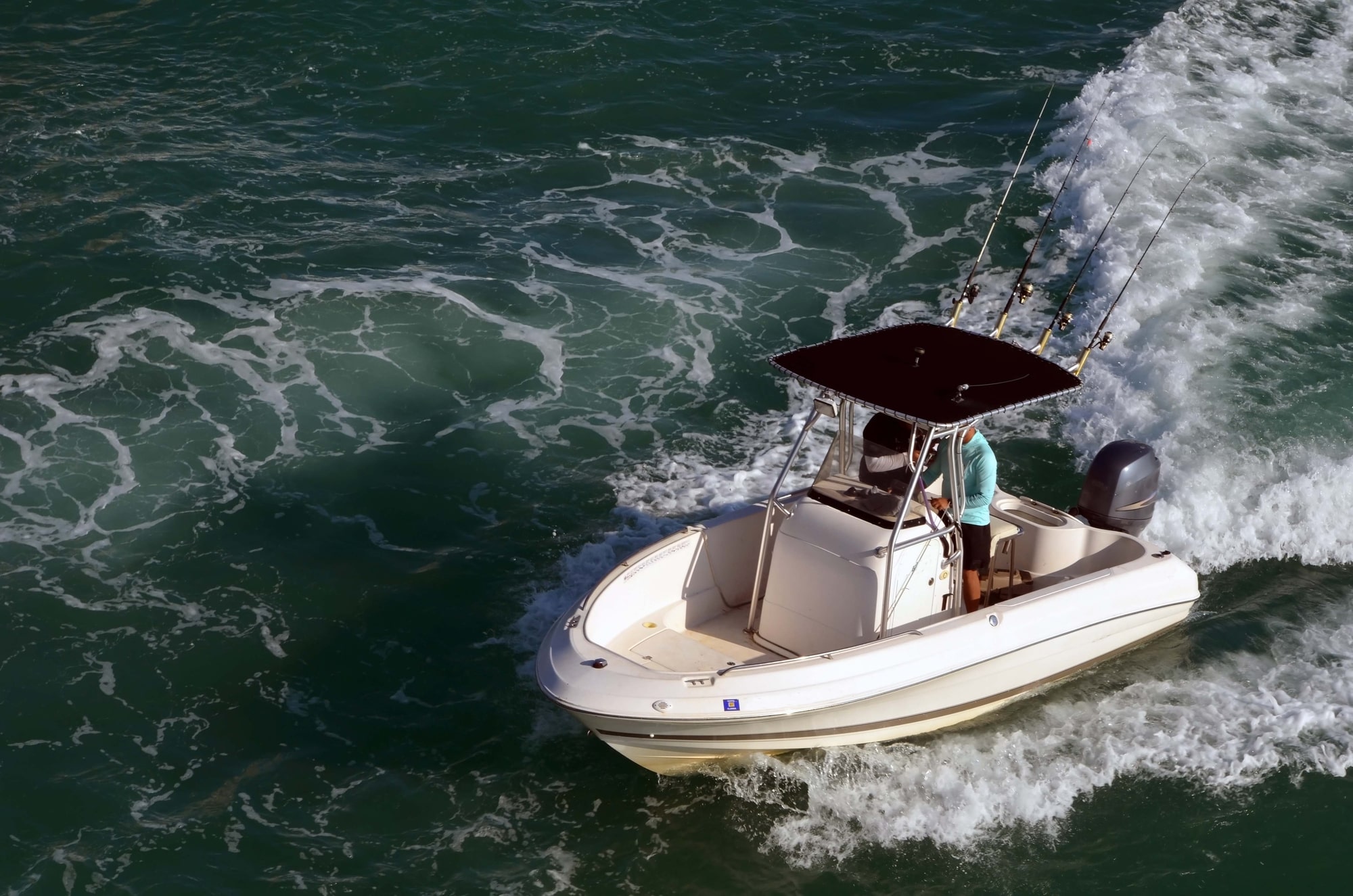 Boating accidents cause injuries ranging from minor to fatal. Texas law and maritime law both permit recovery of economic damages, non-economic damages, and sometimes punitive damages, though the specific rules differ.
Economic Damages
Economic damages compensate for financial losses you can document.
Medical expenses include emergency rescue, hospitalization, surgery, rehabilitation, and ongoing care. Water-related trauma often requires specialized treatment. Drowning victims may need extensive neurological care. We work with medical specialists to project future treatment needs.
Lost wages cover income lost during recovery. Calculations reflect actual earnings including salary, hourly wages, overtime, and benefits.
Lost earning capacity applies when injuries prevent returning to previous work. Serious injuries from boating accidents (amputations, brain damage, spinal cord injuries) often cause permanent limitations affecting earning ability.
Property damage covers repair or replacement of boats, personal watercraft, and personal property damaged or lost in the accident.
Non-Economic Damages
Non-economic damages address losses without receipts but with real impact on your life.
Pain and suffering compensates for physical pain during the accident and throughout recovery. Drowning trauma, burn injuries, and propeller wounds cause severe, lasting pain.
Mental anguish covers psychological trauma, anxiety, depression, and PTSD. Near-drowning survivors and witnesses to fatal accidents often experience lasting psychological effects.
Physical impairment applies when injuries reduce capabilities affecting daily activities and quality of life.
Disfigurement compensates for visible scarring from propeller injuries, burns, or other trauma.
Loss of consortium allows spouses to recover for damage to the marital relationship.
Punitive Damages
Punitive damages may apply under Texas Civil Practice and Remedies Code Section 41.003 when defendant conduct involves gross negligence. Operators boating while intoxicated, rental companies ignoring known defects, or commercial operators violating safety regulations may face punitive damages.
What Steps Should I Take After a Boating Accident?
Actions after a boating accident affect both your health and your legal rights. Evidence disappears faster on water than on roads, so quick action matters.
1. Ensure everyone’s safety.
Account for all passengers. Render aid to anyone injured. Move to a safe location if the vessel is sinking or on fire. Use life jackets and emergency equipment.
2. Call for help.
Contact the Coast Guard on VHF Channel 16 for emergencies, or call 911. Report the accident location, number of people involved, and nature of injuries. Request medical assistance if needed.
3. Get medical attention.
Accept medical evaluation at the scene or go to an emergency room. Water-related injuries, especially near-drowning, may have delayed symptoms. Medical documentation connects injuries to the accident.
4. Document the scene.
Photograph damage to all vessels involved, the accident location, weather conditions, and visible injuries. Capture GPS coordinates if possible. Evidence on water disappears quickly as boats move and conditions change.
5. Exchange information.
Get names, contact information, boat registration numbers, and insurance information from all parties involved. Identify the boat owners, as they may differ from operators.
6. Collect witness information.
Other boaters, marina staff, and passengers may have witnessed the accident. Get contact information before everyone disperses.
7. Report the accident.
Texas law requires reporting boating accidents involving death, disappearance, injury requiring medical treatment, or property damage exceeding $2,000. Reports go to Texas Parks and Wildlife. The Coast Guard investigates accidents on navigable waters.
8. Preserve evidence.
Keep any damaged safety equipment, torn clothing, or other physical evidence. Don’t repair vessel damage until it’s been documented. If possible, secure the vessel against further damage or tampering.
9. Don’t give recorded statements without counsel.
Insurance adjusters will contact you. Decline recorded statements until you’ve talked to an attorney. Statements made while recovering can be used against you later.
10. Contact a League City boating accident attorney.
Boating cases involve maritime law questions that differ from ordinary personal injury claims. Early consultation ensures evidence gets preserved and the right legal framework applies to your case.
Boating Accident Statistics in League City
League City’s location on Galveston Bay makes boating central to the community. That popularity brings corresponding accident risk.
The U.S. Coast Guard publishes annual recreational boating statistics. According to Coast Guard data, Texas consistently ranks among states with the highest numbers of boating accidents, injuries, and fatalities. The state’s extensive coastline, numerous lakes, and year-round boating weather contribute to these numbers.
The Texas Parks and Wildlife Department tracks boating incidents on Texas waters. TPWD data shows that operator inattention, operator inexperience, excessive speed, and alcohol use contribute to most boating accidents. Galveston Bay and surrounding waters see significant recreational traffic throughout the year.
According to Coast Guard statistics, alcohol is the leading contributing factor in fatal boating accidents nationally. Unlike highways where enforcement is constant, alcohol use on boats often goes unchecked until an accident occurs. Texas game wardens and Coast Guard personnel conduct BWI enforcement, but coverage across vast water areas remains limited.
The National Transportation Safety Board investigates serious marine casualties. NTSB reports have identified recurring safety issues including inadequate operator training, failure to use life jackets, and lack of proper lookout.
Galveston County waters see substantial boating traffic from recreational boaters, commercial fishermen, charter operations, and industrial vessels transiting the Houston Ship Channel. This mix of traffic creates collision risks, particularly where recreational and commercial traffic intersect.
Clear Lake, one of the largest recreational boating areas in Texas, sits adjacent to League City. The lake’s popularity means crowded conditions on weekends and holidays, increasing accident risk from boat-to-boat collisions and wake injuries.
League City Boating Accident Lawyer FAQs
 What should I do if someone drowns in a boating accident?
 What should I do if someone drowns in a boating accident?
Call 911 and the Coast Guard immediately. Begin rescue efforts if safe. Once the emergency is addressed, document everything you can about conditions and what happened. Surviving family members may have wrongful death claims against responsible parties.
Who can be held liable for a boating accident?
Potentially liable parties include boat operators, boat owners (even if they weren’t operating), rental companies, tour operators, commercial vessel owners, and manufacturers of defective equipment. Multiple parties often share responsibility.
Does maritime law apply to all boating accidents?
Not all. Maritime law generally applies to accidents on navigable waters, meaning waters connected to interstate or international commerce. Galveston Bay and the Gulf qualify. Some inland lakes may not. The analysis can be complex, and which law applies affects your claim significantly.
What if the boat operator was drunk?
Boating while intoxicated violates Texas and federal law. Intoxication supports claims for punitive damages beyond compensatory damages. It also strengthens negligence claims against the operator and potentially the owner who allowed an intoxicated person to operate.
How long do I have to file a boating accident claim?
Texas personal injury claims have a two-year deadline. Maritime claims generally have three years. Wrongful death claims have separate deadlines. Determining which applies requires analyzing where the accident occurred and what laws govern. Don’t wait to find out.
Can I sue if I was injured as a passenger?
Yes. Passengers can pursue claims against negligent operators, boat owners, and any other parties whose fault contributed to the accident. Passengers generally aren’t responsible for how the boat is operated.
What if the accident was partly my fault?
Texas applies modified comparative fault, meaning your recovery is reduced by your fault percentage, and you recover nothing if more than 50% at fault. Maritime law applies pure comparative fault, so you recover reduced damages regardless of your fault percentage.
Does boat insurance work like car insurance?
Not exactly. Boat insurance policies have different coverage structures, exclusions, and limits. Many recreational boat policies have lower liability limits than auto policies. Some operators lack insurance entirely. We investigate all available coverage sources.
What if a rental company gave me a defective boat?
Rental companies have duties to maintain vessels and provide functioning safety equipment. They may also be liable for inadequate instruction or renting to visibly intoxicated or unqualified operators. Defective rentals create strong claims against the rental company.
What damages can I recover for a boating accident?
Medical expenses, lost wages, lost earning capacity, pain and suffering, mental anguish, disfigurement, and other damages depending on circumstances. Maritime wrongful death claims may allow recovery of loss of support, loss of services, and funeral expenses.
Should I report the boating accident to the Coast Guard?
Texas law requires reporting accidents involving death, injury requiring medical treatment, or significant property damage to TPWD. The Coast Guard investigates accidents on navigable waters. Reporting creates official documentation that supports your claim.
What if I was injured on a charter boat or tour?
Commercial vessel operators must meet higher safety standards than private boaters. They may be liable as common carriers under maritime law, which imposes heightened duties of care. Charter boat and tour boat accidents often involve strong claims.
Can I recover if no other boat was involved?
Yes. Single-boat accidents from operator error, equipment failure, or dangerous conditions may support claims against operators, owners, or manufacturers. Striking submerged objects, capsizing from wake, and onboard fires don’t require another vessel for liability.
What if the boat owner wasn’t operating?
Boat owners may be liable even when someone else operates. Texas law allows negligent entrustment claims when owners let unqualified or intoxicated people operate. Maritime law may impose vicarious liability on owners for operator negligence.
Do I need an attorney for a boating accident?
Boating accidents involve maritime law questions, Coast Guard regulations, and insurance complexities that differ from car accidents. The legal framework depends on where the accident occurred and who was involved. Experience with maritime claims matters.
Most Dangerous Locations for Boating Accidents in League City
 League City’s waterways see heavy recreational and commercial traffic. Certain areas present elevated accident risk.
Clear Lake ranks among the busiest recreational waterways in Texas. Heavy traffic on weekends and holidays creates collision risk. Boats entering and exiting marinas cross traffic patterns. Wake zones near restaurants and waterfront venues see congestion.
Galveston Bay presents open-water hazards including weather changes, commercial traffic, and navigation challenges. Recreational boaters crossing shipping lanes face collision risks with large vessels that cannot maneuver quickly.
Houston Ship Channel carries commercial vessel traffic to and from the Port of Houston. Recreational boats should avoid the channel, but crossings occur. Large ships create substantial wake and cannot stop or turn for small boats.
Clear Creek connects Clear Lake to Galveston Bay. Narrow passages, current, and traffic create hazards for boats transiting between waters.
Kemah Boardwalk area sees heavy boat traffic to waterfront restaurants and entertainment. Boats docking, departing, and maneuvering in close quarters create collision risk. Alcohol consumption increases accident risk in this entertainment district.
Texas City Dike extends into Galveston Bay and attracts fishing boats. The structure creates navigation hazards, and congestion near the dike increases collision risk.
Offatts Bayou and other Galveston-area waters accessible from League City see recreational traffic. Shallow areas, submerged hazards, and unmarked obstacles create grounding and collision risks.
Private marinas throughout the Clear Lake area see accidents during docking, launching, and fueling. Close quarters and inexperienced operators contribute to marina accidents.
What Are Important Local Resources for League City Boating Accidents?
These resources may assist boating accident victims in League City. Listing does not constitute endorsement by Greenberg Streich Injury Lawyers.
U.S. Coast Guard Sector Houston-Galveston responds to marine emergencies and investigates accidents on navigable waters.
Texas Parks and Wildlife Department regulates boating on Texas waters and investigates accidents. Game wardens enforce boating safety laws.
Texas Parks and Wildlife Law Enforcement provides boating accident investigation and BWI enforcement.
League City Police Department responds to emergencies and coordinates with marine agencies. Phone: (281) 332-2566
HCA Houston Healthcare Clear Lake provides emergency services for boating injuries. Phone: (281) 332-2511
UTMB Health Galveston provides trauma services including treatment for drowning and severe injuries.
UTMB Health League City Campus offers primary care and specialist referrals. Phone: (409) 772-1011
Galveston County Sheriff’s Office Marine Unit patrols Galveston Bay waters. Phone: (409) 766-2300
National Weather Service Houston/Galveston provides marine forecasts and weather warnings for local waters.
Contact Greenberg Streich Injury Lawyers
Boating accidents involve legal questions that standard car accident attorneys aren’t equipped to handle. Maritime law. Coast Guard regulations. Complex insurance structures. Evidence that disappears with the tide. These cases need attorneys who’ve actually worked in maritime law, not lawyers who watched a few YouTube videos on admiralty jurisdiction.
Mike Streich spent years at Royston Rayzor and Phelps Dunbar, two of the most prominent maritime law firms in Texas and Louisiana. He’s investigated shipboard accidents, defended vessel owners, and now brings that experience to injured boaters and passengers. Our firm has recovered over $300 million for clients across Texas, including $16 million in a maritime injury case.
We understand League City’s waterways because we represent people who use them. Clear Lake. Galveston Bay. The Gulf. When accidents happen on these waters, we know how to investigate, how to establish liability, and how to get results.
Free consultations. No fees unless we win. If you or a family member has been injured in a boating accident near League City or anywhere in Galveston County, contact Greenberg Streich Injury Lawyers.