Brain Injury Lawyer League City, TX
Traumatic brain injuries change people. A broken arm heals in weeks. A brain injury can alter memory, personality, emotional control, and the ability to work or maintain relationships. These changes may be permanent. They affect not just the injured person but spouses, children, and everyone who depends on them.
At Greenberg Streich Injury Lawyers, our League City, TX brain injury lawyer has more than two decades of combined experience handling catastrophic injury cases across Texas. We have recovered over $300 million for injured clients, including a $16 million recovery in a maritime case involving traumatic brain injury. We work on contingency. No upfront costs. You pay nothing unless we recover compensation for you. Contact us for a free consultation.
Why Choose Greenberg Streich Injury Lawyers for Brain Injuries in League City, Texas?
Substantial Recoveries in Catastrophic Injury Cases
Brain injury litigation requires attorneys who understand both the medical science and the courtroom realities of these cases. Insurance companies and defense counsel pay close attention to who they are up against. They know which attorneys have tried catastrophic injury cases and which ones settle everything to avoid trial.
Matt Greenberg has been lead trial counsel in catastrophic injury cases producing record results across Texas. He secured a $37.5 million verdict in Dallas County and a $35 million settlement in Fort Worth, the largest recorded personal injury settlement in Tarrant County at the time. Our firm recovered $16 million in a Jones Act case involving traumatic brain injury.
Across all practice areas, we have recovered over $300 million for our clients. Matt graduated magna cum laude from Abilene Christian University and earned his J.D. from Baylor Law School. He has been recognized by Super Lawyers, Lawdragon, and the National Trial Lawyers.
We Spent Years on the Defense Side
Mike Streich spent nearly a decade defending corporations and insurance syndicates in catastrophic injury and death cases. He represented Lloyd’s of London syndicate members in matters involving severe injuries, including traumatic brain injuries. That experience taught him exactly how defendants evaluate brain injury claims, challenge causation, and build strategies to minimize what they pay.
Mike graduated cum laude from the University of Houston Law Center and has been designated a Texas Rising Star by Super Lawyers in 2014, 2017 through 2021, and 2023 through 2025.
We Understand What Brain Injuries Actually Do
Handling brain injury cases requires more than legal knowledge. It requires understanding how these injuries affect every part of a person’s life. We work with neurologists, neuropsychologists, rehabilitation specialists, and life care planners to document current impairments and project long-term needs.
Many brain injuries get worse over time. Early settlement offers almost never account for that. We do not resolve cases until the full scope of injury is understood and properly valued. If you need a League City, TX personal injury lawyer who understands catastrophic injuries, our firm provides that experience.
Contingency Fee Representation
Families dealing with brain injuries face enormous financial pressure. Medical bills pile up. The injured person cannot work. Legal fees should not add to that burden. We handle brain injury cases on contingency. No retainer. No hourly billing. You pay nothing unless we win.
What Our Clients Say
⭐⭐⭐⭐⭐
“Mike is an outstanding attorney! I was overwhelmed by my injury case but he made the entire process understandable and manageable. He was always honest about expectations and communicated with me regularly. His professionalism and dedication to my case exceeded all my expectations. I would recommend him to anyone.” — Brandon Hattaway
Read more reviews on our Google Business Profile.
Types of Brain Injury Cases We Handle in League City
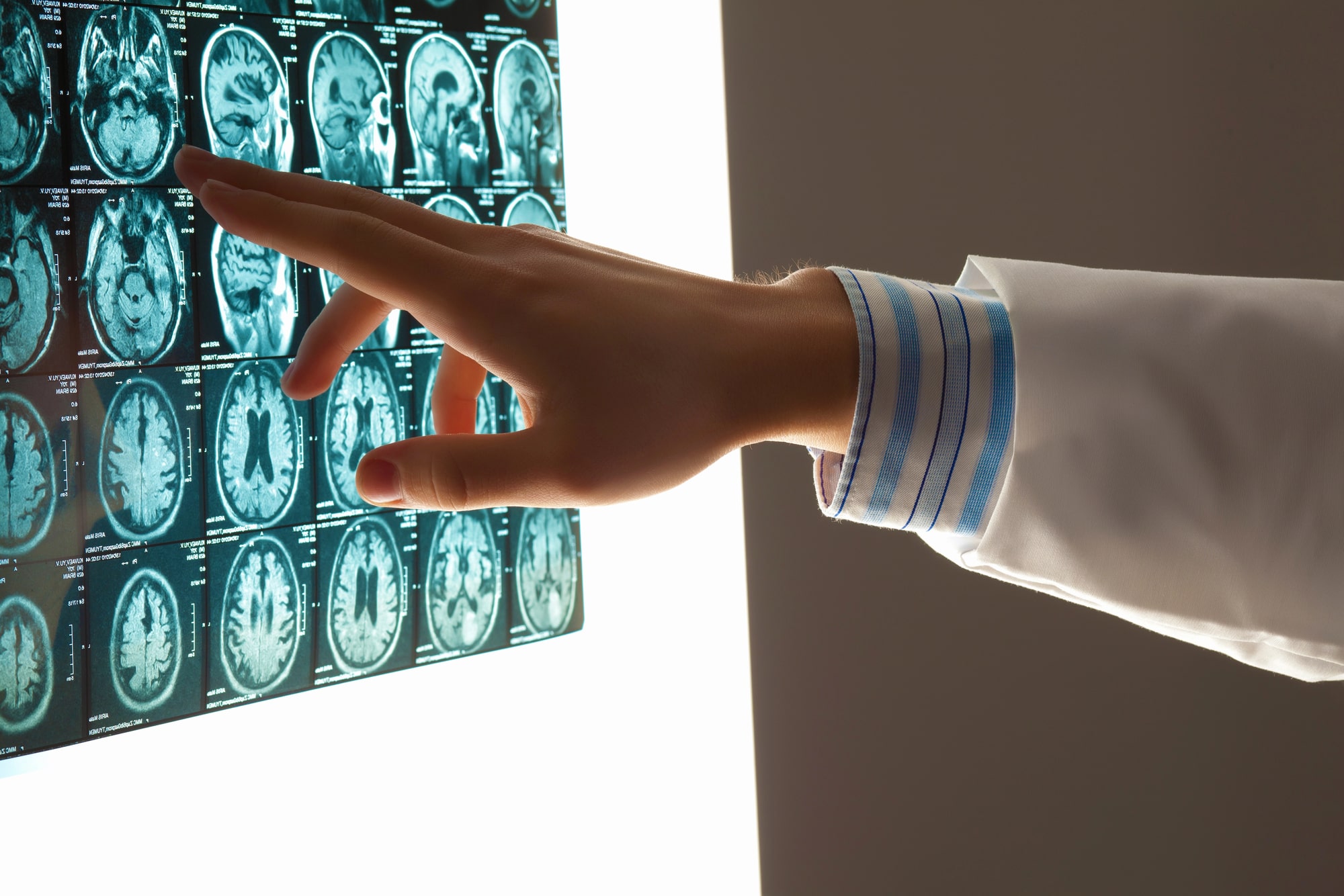 Brain injuries result from many types of accidents. The cause affects both the nature of the damage and the parties who may be held responsible. We represent brain injury victims in claims arising from:
- Car accidents. Motor vehicle collisions are one of the leading causes of traumatic brain injury. Even with airbags and seatbelts, the sudden stop of a crash can cause the brain to strike the inside of the skull. Concussions, contusions, and diffuse axonal injuries result.
- Truck accidents. Collisions with commercial trucks frequently cause severe brain injuries. When an 80,000-pound 18-wheeler hits a passenger vehicle, the occupants of the smaller vehicle absorb tremendous force.
- Motorcycle accidents. Even with helmets, motorcyclists remain vulnerable to brain injuries. Direct impacts, rotational forces, and secondary impacts after being thrown from the bike all cause damage.
- Construction accidents. Falls from scaffolding. Objects falling from above. Equipment incidents. Construction sites present constant head injury hazards for workers.
- Oilfield accidents. Explosions, equipment failures, and struck-by incidents in oilfield operations cause brain injuries. The remote locations of many oilfield sites delay emergency treatment, which worsens outcomes.
- Bus accidents. Bus passengers without seatbelts get thrown around during crashes. They strike seats, windows, and other passengers. Head injuries are common.
- Premises liability incidents. Slip and fall accidents at stores, restaurants, and other commercial properties cause brain injuries. So do assaults resulting from inadequate security. Property owners have duties to maintain safe conditions.
- Sports and recreational injuries. Contact sports, recreational activities, and amusement park incidents cause brain injuries. When negligent supervision, defective equipment, or unsafe conditions contribute, claims may exist.
- Medical malpractice. Birth injuries causing infant brain damage, surgical errors, anesthesia mistakes, and failure to diagnose strokes or aneurysms can result in brain injury. These cases have specific procedural requirements under Texas law.
- Wrongful death. When brain injuries prove fatal, surviving family members may pursue wrongful death claims for lost financial support, loss of companionship, and mental anguish.
Understanding Traumatic Brain Injuries
Brain injuries range widely in severity and type. Understanding these distinctions helps clarify what victims face and why adequate compensation matters.
Concussions
Often called “mild” traumatic brain injuries, concussions are anything but minor for many people. They occur when sudden movement causes the brain to shift within the skull. Headaches, confusion, memory problems, sensitivity to light and sound, mood changes. While many concussions resolve within weeks, others cause symptoms lasting months or years. Repeated concussions create cumulative damage that can lead to chronic traumatic encephalopathy.
Contusions
Brain contusions are bruises on brain tissue caused by impact. They may occur where the head was struck or on the opposite side of the brain when it rebounds against the skull. Contusions cause localized neurological problems depending on which brain region is affected.
Diffuse Axonal Injuries
These injuries happen when rotational forces stretch and tear nerve fibers connecting different brain regions. High-speed vehicle accidents commonly cause them. Diffuse axonal injuries often do not appear on standard CT scans, which makes diagnosis difficult even when functional impairment is severe.
Penetrating Injuries
When objects penetrate the skull and enter brain tissue, the damage is often catastrophic. Construction accidents, assaults, and incidents involving projectiles cause penetrating injuries. Surgery is typically required, and permanent disability is common.
Secondary Brain Injuries
The initial trauma can trigger secondary processes causing additional damage in the hours and days that follow. Swelling, bleeding, and reduced blood flow worsen outcomes when not identified and treated promptly. This is one reason immediate medical evaluation matters so much.
The Glasgow Coma Scale
Medical providers assess brain injury severity using the Glasgow Coma Scale, which measures eye opening, verbal response, and motor response. Scores range from 3 to 15, with lower scores indicating more severe injury. However, initial scores do not always predict long-term outcomes. Some people with seemingly mild injuries develop significant lasting problems.
Texas Legal Requirements for Brain Injury Cases
Brain injury claims follow Texas personal injury law but involve additional complexities related to proving both injury existence and causation.
Statute of Limitations
Personal injury claims must be filed within two years of the accident under Texas Civil Practice and Remedies Code Section 16.003. Wrongful death claims carry the same deadline measured from the date of death.
Brain injury cases present a particular challenge because symptoms may not fully develop within this timeframe. While the limitations period generally starts at injury, consulting an attorney early ensures your claim is preserved while the medical picture becomes clearer.
Proving Causation
Defendants routinely argue that cognitive and emotional symptoms existed before the accident or result from other causes. Depression. Stress. Aging. Anything but the accident. Establishing causation requires documenting the injured person’s pre-accident functioning and demonstrating a clear connection between the accident and symptom onset.
Medical records, neuropsychological testing, testimony from family members and coworkers, educational records, and employment histories all contribute to establishing causation. We build evidence packages that anticipate and counter defense arguments.
Modified Comparative Fault
Texas applies modified comparative fault under Texas Civil Practice and Remedies Code Section 33.001. If you bear partial responsibility for the accident, your recovery is reduced by that percentage. If your fault exceeds 50 percent, you recover nothing.
Defense attorneys may argue that brain injury victims contributed to their injuries by failing to wear seatbelts or helmets, ignoring safety protocols, or engaging in risky behavior. We counter these arguments with evidence establishing defendant negligence as the primary cause.
Medical Malpractice Considerations
When brain injuries result from medical negligence, additional requirements apply under Texas Civil Practice and Remedies Code Chapter 74. Written notice must be provided to healthcare providers at least 60 days before filing suit, and an expert report must be included within 120 days of filing. Damage caps limit non-economic recovery to $250,000 per physician and $500,000 total against healthcare institutions.
Proving Damages
Brain injury damages extend far into the future. Current medical expenses represent only a fraction of total costs. Future treatment, lost earning capacity, and the need for ongoing care require careful projection. We work with economists, life care planners, and medical specialists to calculate these losses accurately.
What Damages Are Recoverable in League City Brain Injury Cases?
 Brain injuries cause changes that affect every aspect of life. Texas law permits recovery for economic damages, non-economic damages, and in certain circumstances, punitive damages.
Economic Damages
Economic damages compensate for financial losses with documented or projected values.
Medical expenses. Emergency treatment, hospitalization, surgery, diagnostic imaging, neurological care, rehabilitation, cognitive therapy, speech therapy, occupational therapy, medications, and medical equipment. Brain injury treatment often continues for years or a lifetime. We work with medical specialists to project future care costs.
Lost wages and earning capacity. Income lost during recovery is only part of the picture. Many brain injury victims cannot return to their previous jobs. Some cannot work at all. Lost earning capacity calculations project income loss over the remaining work life, accounting for promotions, raises, and benefits that would have been earned.
Home modifications. Severe brain injuries may require wheelchair accessibility, monitoring systems, and safety modifications to the home.
Custodial and supervisory care. When brain injuries affect the ability to live independently, the cost of in-home care or residential placement is recoverable.
Vocational rehabilitation. For those who can work but not in their previous field, retraining costs are recoverable.
Non-Economic Damages
Non-economic damages address losses without precise dollar figures but with profound impact on quality of life.
Physical pain and suffering. Compensation for pain from the injury and ongoing discomfort during recovery. Headaches, light sensitivity, and other physical symptoms often persist indefinitely after brain injuries.
Mental anguish. The psychological impact extends beyond physical symptoms. Depression, anxiety, frustration over lost abilities, and awareness of cognitive changes cause significant emotional suffering.
Cognitive impairment. Reduced memory, attention, concentration, and processing speed affect nearly every aspect of daily life.
Personality changes. Brain injuries can fundamentally alter who a person is. Irritability, impulsivity, emotional volatility, social withdrawal. These changes strain relationships and diminish life quality.
Loss of enjoyment of life. When brain injuries prevent participation in activities that previously brought pleasure, compensation recognizes this loss.
Loss of consortium. Available to spouses for damage to the marital relationship caused by the injured person’s condition.
Punitive Damages
Punitive damages may apply under Texas Civil Practice and Remedies Code Section 41.003 when defendant conduct involves gross negligence. Drunk driving, extreme recklessness, or intentional misconduct may support punitive damage claims. These require proof by clear and convincing evidence.
What Steps Should I Take After a Brain Injury?
The actions taken after a brain injury affect both health outcomes and legal rights. Early medical intervention and evidence preservation matter significantly.
1. Get medical attention immediately.
Any head trauma warrants evaluation, even if symptoms seem minor. Brain injuries do not always produce obvious symptoms right away. Emergency evaluation creates documentation and ensures timely treatment.
2. Follow up with specialists.
Neurologists and neuropsychologists provide assessment beyond what emergency departments offer. Neuropsychological testing establishes baseline cognitive function for comparison during recovery.
3. Document symptoms daily.
Keep a journal recording headaches, memory problems, mood changes, sleep disturbances, and other symptoms. Note how symptoms affect work, daily activities, and relationships. This record proves valuable in litigation.
4. Preserve evidence of the accident.
Photograph the accident scene, vehicles, equipment, or conditions that caused the injury. Obtain police reports, incident reports, and witness contact information.
5. Gather pre-accident documentation.
Employment reviews, academic records, and medical histories establish how you functioned before the injury. This evidence counters arguments that symptoms predated the accident.
6. Ask family and coworkers to document changes.
People who knew you before the injury can describe what is different now. Their observations provide powerful evidence of injury impact.
7. Be careful with insurance company statements.
Adjusters may contact you seeking statements. Their goal is minimizing what they pay. Avoid detailed statements until you have consulted an attorney.
8. Do not accept early settlement offers.
Brain injury progression often remains unclear for a year or more. Early settlements rarely account for long-term consequences. Once you accept, you cannot go back for more.
9. Follow treatment recommendations.
Attend all appointments and comply with medical advice. Gaps in treatment give defense attorneys ammunition.
10. Contact a League City brain injury attorney.
These cases involve medical complexity, causation challenges, and aggressive defense tactics. Early consultation allows us to guide evidence preservation and medical documentation from the start.
Brain Injury Statistics in League City
Traumatic brain injuries represent a significant public health concern affecting League City residents and communities across Texas.
According to the Centers for Disease Control and Prevention, approximately 2.8 million Americans sustain traumatic brain injuries each year. Of these, roughly 50,000 die, 282,000 require hospitalization, and 2.5 million are treated in emergency departments.
The Brain Injury Association of America reports that traumatic brain injury is a leading cause of death and disability in the United States. Someone in this country sustains a brain injury every 21 seconds.
Falls are the leading cause of traumatic brain injury, particularly among older adults and young children. Motor vehicle crashes are the leading cause of TBI-related deaths across all age groups. According to NHTSA data, vehicle crashes account for a substantial percentage of severe brain injuries.
The Texas Department of State Health Services tracks brain injury incidence across the state. Texas consistently ranks among states with the highest total numbers of traumatic brain injuries due to its large population and extensive highway system.
League City’s location along Interstate 45 creates significant motor vehicle exposure. Industrial facilities in the region contribute to workplace brain injuries. Recreational activities on Clear Lake and Galveston Bay create additional risk. Galveston County sees brain injuries from motor vehicle accidents, offshore incidents, and industrial accidents throughout the region.
The National Institutes of Health estimates that the direct and indirect costs of traumatic brain injury in the United States exceed $76 billion annually. Individual lifetime costs for severe brain injury can reach millions of dollars.
League City Brain Injury Lawyer FAQs
 How do I know if I have a brain injury?
 How do I know if I have a brain injury?
Symptoms vary considerably. Common signs include headaches, confusion, memory problems, difficulty concentrating, mood changes, sleep disturbances, sensitivity to light or sound, dizziness, and nausea. Some symptoms appear immediately while others develop over days or weeks. Any head trauma warrants medical evaluation.
Can brain injuries be seen on imaging?
CT scans and MRIs detect some brain injuries including contusions, hemorrhages, and severe swelling. However, many injuries, particularly concussions and diffuse axonal injuries, do not appear on standard imaging despite causing significant functional problems. Neuropsychological testing often provides the most accurate picture of brain injury impact.
What is the difference between a concussion and a traumatic brain injury?
A concussion is a type of traumatic brain injury. The term “mild” TBI refers to injury severity at occurrence, not long-term consequences. Many people with concussions experience symptoms lasting months or years.
How long does recovery take?
It varies dramatically. Some concussions resolve within weeks. Moderate to severe brain injuries may require months or years of rehabilitation, and some deficits may never fully resolve. Full recovery trajectory often remains unclear for 12 to 24 months after injury.
Can I recover compensation if my brain injury was not diagnosed right away?
Yes. Delayed diagnosis is common with brain injuries. What matters is establishing that the accident caused the injury, even if symptoms developed or were recognized later. Medical records, symptom documentation, and observations from people who knew you before and after help establish causation.
How much is a brain injury case worth?
Values vary enormously depending on severity, permanence, age, impact on earning capacity, and required future care. Our firm recovered $16 million in a maritime brain injury case. Other recoveries range from hundreds of thousands to tens of millions depending on circumstances.
What if I had prior brain injuries or cognitive issues?
Texas follows the “eggshell plaintiff” rule. Defendants take victims as they find them. If a prior condition made you more susceptible to injury, the defendant remains liable for all resulting harm. Prior conditions complicate causation arguments but do not bar recovery.
Will I need to see specialists?
Brain injury cases typically require evaluation by neurologists, neuropsychologists, and rehabilitation specialists. These evaluations document injury extent and support damage calculations. We coordinate with qualified specialists and can recommend appropriate providers.
What is neuropsychological testing?
A battery of standardized assessments measuring cognitive functions including memory, attention, processing speed, language, executive function, and emotional regulation. These tests quantify deficits and provide objective evidence of brain injury impact. Testing typically takes several hours and is performed by a licensed neuropsychologist.
How long will my brain injury case take?
Brain injury cases often require longer timelines than other personal injury matters because the full extent of damage may not be clear for 12 to 24 months. Rushing to settlement before understanding long-term consequences means accepting inadequate compensation.
Can family members be compensated for providing care?
In some circumstances, yes. The value of care provided by family members can be included in damage calculations. Spouses may also pursue loss of consortium claims for damage to the marital relationship.
What if the person who caused my injury has no insurance?
We investigate all potential sources of recovery. Underinsured motorist coverage on your own policy may apply. Other parties may share liability. Employers may be responsible for employee negligence. We identify all available coverage.
Should I accept the insurance company’s settlement offer?
Settlement offers made early in brain injury cases almost never reflect true claim value. Insurers want to close claims before anyone knows how bad the injury will prove to be. Consult an attorney before accepting any offer.
What should I bring to a consultation?
Accident reports, photographs, medical records and imaging studies, documentation of symptoms, employment records showing pre-injury performance, and any correspondence from insurance companies. If you do not have certain documents, we can help obtain them.
How do I pay for treatment while my case is pending?
Health insurance may cover treatment with reimbursement from settlement proceeds. Some providers treat on a lien basis, deferring payment until case resolution. We help coordinate care and manage these arrangements.
Challenges in Brain Injury Litigation
 Brain injury cases present distinct challenges requiring specialized knowledge and resources.
Invisible Injuries
Unlike broken bones or lacerations, brain injuries often have no visible signs. Victims may appear physically healthy while experiencing profound cognitive and emotional impairment. Juries sometimes struggle to appreciate injuries they cannot see. Effective presentation requires translating medical evidence into terms people can understand.
Defense Tactics
Insurance companies and defense attorneys use predictable strategies in brain injury cases. They argue symptoms are exaggerated. They claim deficits existed before the accident. They attribute problems to depression, stress, or malingering. They hire defense medical examiners who minimize findings. Anticipating and countering these tactics requires experience with these cases.
Long-Term Projections
Brain injury damages extend decades into the future. Calculating future medical costs, lost earning capacity, and care needs requires sophisticated economic analysis and credible medical testimony. Underestimating these costs leaves clients inadequately compensated for the rest of their lives.
What Are Important Local Resources for League City Brain Injuries?
These resources may assist individuals dealing with brain injuries in League City. Listing does not constitute endorsement by Greenberg Streich Injury Lawyers.
TIRR Memorial Hermann provides rehabilitation services for traumatic brain injury patients and is consistently ranked among the top rehabilitation hospitals in the country.
HCA Houston Healthcare Clear Lake offers emergency services for acute brain injuries. Phone: (281) 332-2511
UTMB Health League City Campus provides primary care and can coordinate specialist referrals. Phone: (409) 772-1011
Brain Injury Association of Texas offers support services, resources, and advocacy for brain injury survivors and families.
Texas Department of State Health Services provides information on brain injury resources and services throughout Texas.
Social Security Administration administers disability benefits for individuals unable to work due to brain injuries.
Texas Health and Human Services coordinates services for individuals with disabilities including those resulting from brain injuries.
Centers for Disease Control and Prevention provides educational resources about traumatic brain injury prevention, recognition, and treatment.
Contact Greenberg Streich Injury Lawyers
A brain injury can change everything. The person you were before the accident may not be the person you are now. Memory, personality, emotional control, the ability to work and maintain relationships. All of it can be affected. The financial consequences compound over a lifetime.
Insurance companies understand that brain injury claims are valuable. They also know that many victims accept inadequate settlements before understanding how serious their injuries are. They push for quick resolution. They minimize symptoms. They dispute causation. Countering these tactics requires experience and resources.
Our League City brain injury attorneys have recovered over $300 million for injured clients across Texas, including $16 million in a traumatic brain injury case. We understand the medical complexity of these injuries. We work with neurologists, neuropsychologists, and life care planners to document the full impact. We refuse to settle cases before the injury is fully understood.
Free consultations. No fees unless we win. If you or a family member has suffered a brain injury in League City or anywhere in Galveston County, contact Greenberg Streich Injury Lawyers.