5 Questions For Your Truck Accident Consultation
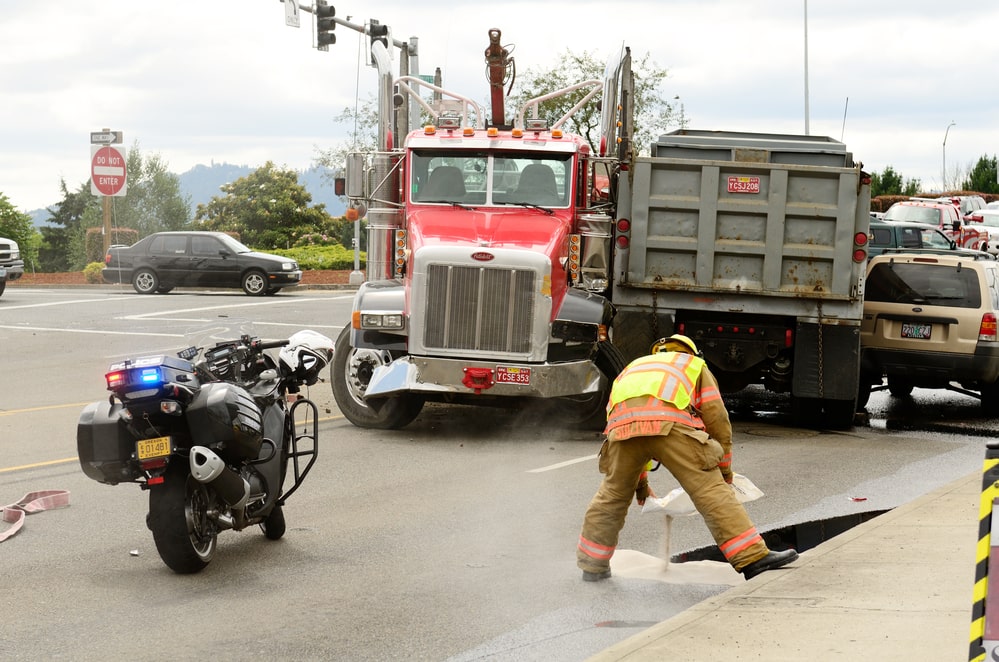
Accidents transform lives instantly, leaving victims to navigate complex medical systems, mounting bills, and uncertain futures while managing physical pain and emotional trauma. When you’re ready to explore your legal options, the quality of materials you present during your initial consultation directly impacts how effectively your attorney can advocate for your interests.
Our friends at Kantrowitz, Goldhamer, Graifman, Perlmutter & Carballo, P.C. discuss the strategic advantage gained when clients invest time assembling evidence that tells their complete story before sitting down together. A thorough meeting with your truck accident lawyer establishes clear expectations, identifies potential case strengths and weaknesses, and allows for immediate development of tactical approaches that position you for favorable outcomes rather than settling for inadequate compensation offers.
What Scene Investigation Materials Recreate Accident Conditions?
Your attorney must visualize the incident location as it existed when your injury occurred. Bring photographs documenting not just obvious hazards but surrounding context—parking lot lighting levels, sight line obstructions, weather-related surface conditions, or traffic control device placement. Time-stamped images prove conditions existed at specific moments rather than being addressed after your accident.
If possible, return to the location at the same time of day and day of week as your incident to capture comparable conditions. Bring measurements you’ve taken of pothole depths, crack widths, or stairway riser heights that violated building codes. Video walkthroughs showing approach angles and visibility limitations help attorneys understand how dangerous conditions contributed to your harm.
How Do Expense Ledgers Capture Hidden Economic Losses?
Medical bills represent obvious costs, but comprehensive damage calculations require capturing every financial impact. Create detailed spreadsheets tracking childcare expenses for times you couldn’t supervise children, housekeeping costs for chores you previously managed, and meal delivery charges replacing home cooking you can no longer perform.
Document increased insurance premiums resulting from your accident, late fees on bills you missed during hospitalization, and interest charges accumulating on credit cards while you couldn’t work. Bring proof of missed opportunities—overtime shifts you couldn’t accept, freelance projects you had to decline, or bonuses forfeited due to reduced productivity during recovery. These incremental costs accumulate substantially over months of treatment.
Which Prior Medical Records Defeat Pre-Existing Condition Arguments?
Defense attorneys routinely claim injuries existed before accidents to minimize liability. Counter these predictable attacks by bringing medical records from the preceding year showing clean bills of health. Primary care visit notes documenting you were asymptomatic, normal diagnostic test results, and prescription histories showing you required no pain medication pre-accident establish clear baselines.
Employment physicals passing you for full duty without restrictions, athletic participation waivers confirming you were healthy enough for vigorous activity, and insurance medical questionnaires where you honestly reported no chronic conditions all demonstrate your pre-accident wellness. Even social media posts showing you hiking, dancing, or engaging in physically demanding activities create evidence that your current limitations stem from this specific incident.
What Social Documentation Proves Activity Level Changes?
Numbers don’t capture emotional and social losses that matter profoundly to quality of life. Bring evidence of hobbies abandoned—canceled gym memberships, unused season tickets, or lapsed professional organization memberships. Screenshots of declined social invitations, missed milestone celebrations, or withdrawn RSVPs show isolation stemming from physical limitations or pain.
If your injury has affected parenting capacity, bring school communications you’ve missed, sports games you couldn’t attend, or activity sign-ups you’ve had to cancel. Church bulletins showing you no longer volunteer, charity event registrations you’ve withdrawn from, or community group meeting minutes noting your absence all demonstrate how injuries have diminished your social engagement and personal fulfillment.
How Should I Present Multiple Injury Complications Comprehensively?
Complex cases involving numerous body systems require organized presentation. Create separate folders for each injury area—one for back injuries with related neurology and pain management records, another for orthopedic shoulder damage, a third for psychological trauma treatment. This organization helps attorneys quickly locate specific information during consultation discussions.
Prepare a master medical timeline showing when each injury was diagnosed, what specialist evaluated it, and how treatments have progressed. Highlight connections between injuries—how back pain caused compensatory gait changes that injured your knee, or how chronic pain triggered depression requiring psychiatric intervention. These causation links strengthen arguments that all complications deserve compensation as foreseeable consequences of the original negligent act.
Your Consultation Success
Arriving organized, honest, and prepared to discuss difficult personal matters enables your attorney to immediately begin building a compelling case narrative that demands fair resolution.