Burn Injury Lawyer Baytown, TX
Burn injuries are unlike most other personal injury cases. The treatment arc is longer, the costs are higher, and disfigurement and permanent impairment are frequently central to the damages picture. The refinery, chemical plant, or apartment complex responsible for your injury already has its investigation well underway, and its carrier is building the defense file long before your first surgery. The window for an injured person or a family to get ahead of that process is narrow.
At Greenberg Streich Injury Lawyers, we’ve handled catastrophic burn injury cases across Texas for more than a decade, including a $20 million oilfield burn settlement and a $7.37 million chemical plant explosion settlement in Houston. We represent burn survivors and their families, not the refineries, plant operators, or insurance carriers on the other side. Every case is on contingency. No retainer, no hourly billing, no fee unless we recover.
If you need a Baytown, TX burn injury lawyer, we are ready to listen and move quickly. Please call us today to discuss your case.
Why Choose Greenberg Streich Injury Lawyers for Burn Injury Cases in Baytown, TX?
Trial Experience in Catastrophic Burn Cases
Co-founder Matt Greenberg has practiced personal injury law in Baytown, TX for 12 years and served as lead trial counsel in cases that resulted in record-setting verdicts and settlements for burn survivors and their families. He earned his J.D. at Baylor Law School and has been recognized by Super Lawyers, Lawdragon, and the National Trial Lawyers.
Mike Streich has handled serious burn injury cases for 13 years. He graduated cum laude from the Houston Law Center and is a member of the Texas Trial Lawyers Association. Before moving to the plaintiff side, Mike spent nearly a decade defending corporations and insurance syndicates, including members of Lloyd’s of London, in catastrophic injury and death claims arising from refinery, chemical, pipeline, and oilfield operations. That background gives him a working knowledge of how plant and industrial defendants investigate fire and explosion events, assign fault to contractors, and decide when to settle burn cases.
Results That Matter to Burn Survivors
Our attorneys have recovered over $400 million for clients across Texas. Alongside the burn-specific outcomes noted above, our case results include an $11 million mid-trial settlement for a worker killed at the Port of Freeport, an $11 million wrongful death settlement for a mother who died in a vehicle fire after a construction 18-wheeler rear-ended her, and a $4 million oilfield electrocution settlement where thermal injuries were central to the case.
Contingency Fee Representation
Burn survivors and their families should not be paying retainer checks while undergoing grafting and rehabilitation. Our firm advances investigation costs, fire and explosion reconstruction, process safety analysis, medical record retrieval, and life care planning, and our attorney fees are paid only out of the recovery if we win.
Client Feedback
⭐⭐⭐⭐⭐ “I don’t know how many times I called Matt and his team with questions that probably seemed small to them but were huge to me. Every single time, they took the time to explain things and make sure I understood. That meant more than I can say, and the results spoke for themselves.”
E Burns
Read more reviews on our Google Business Profile.
Types of Burn Injury Cases We Handle in Baytown
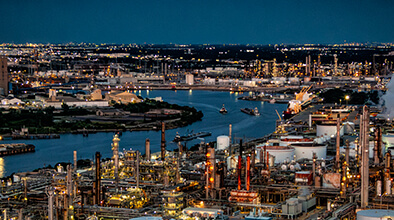
Burn injuries in the Baytown area arise from a wide range of causes, many of them tied to the industrial base along the Houston Ship Channel. Our firm handles the most serious categories of burn matters.
- Refinery accidents. Flash fires, vapor cloud explosions, and hot oil releases at refineries and chemical plants can result in catastrophic thermal and chemical burns.
- Chemical release and toxic exposure burns. Acid, caustic, and hot chemical exposures cause chemical burns and inhalation injuries.
- Oilfield accidents. Blowouts, wellhead releases, and hot-work incidents at drilling and production sites can result in catastrophic burns.
- Apartment, hotel, and building fires. Fires caused by defective wiring, failed smoke detectors, blocked egress, and inadequate fire protection often support premises liability claims against owners and managers.
- Electrical and arc flash burns. High-voltage contact, arc flash, and electrocution events in the workplace or on a construction site cause deep thermal injury and frequently require amputation.
- Motor vehicle fire burns. Post-crash fires in car accident, 18-wheeler, and truck accident events produce severe thermal injuries, particularly where fuel system defects or cargo fires are involved.
- Motorcycle burns. Motorcycle riders have limited crash protection and are at elevated risk for thermal and road-rash injuries in post-crash fires.
- Maritime injuries. Engine room fires, fuel flashes, and cargo releases on offshore rigs or ships cause serious burns on vessels and fixed structures.
- Bus accidents. Bus accident post-impact fires and mechanical fires in transit vehicles can produce catastrophic multi-passenger burn cases.
- Scalding and hot liquid injuries. Boiling water, hot coffee, steam lines, and industrial heat exchangers can cause second- and third-degree burns, particularly among children and service workers.
- Defective product burns. Defective appliances, batteries, vaping devices, and heaters cause home and workplace burns and can support product liability claims.
- Traumatic brain injuries. Many burn survivors also sustain traumatic brain injury from blast overpressure or associated falls, which shapes the entire damages picture.
- Fatal burn and fire cases. When a burn victim dies from thermal injury, smoke inhalation, or related complications, surviving spouses, children, and parents may pursue wrongful death claims under Texas law.
Texas Legal Requirements for Burn Injury Claims
Burn injury cases apply standard Texas personal injury rules in ways that are especially consequential because of how long and how expensive burn treatment tends to be. A handful of rules frame most files.
Statute of limitations. Under Section 16.003 of the Texas Civil Practice and Remedies Code, most personal injury and wrongful death claims must be filed within two years of the incident or death. Physical evidence in burn cases also moves quickly. Plant equipment is reset after a fire, scene photographs and product remnants are collected by the operator’s investigator, and witnesses rotate off the location within days. The steps taken after a serious accident often determine how strong the case becomes.
Modified comparative negligence. Texas uses a 51 percent bar rule under CPRC Chapter 33. If a jury finds the injured person more than 50 percent at fault, the injured person recovers nothing. At 50 percent or less, the recovery is reduced by the assigned share.
Federal process safety regulation. Many industrial burn cases arise at facilities subject to federal OSHA Process Safety Management standards at 29 CFR 1910.119 and the EPA Risk Management Program under Clean Air Act Section 112(r). Documented PSM and RMP failures are powerful evidence of negligence in Texas courts.
Federal incident investigation. The independent U.S. Chemical Safety Board investigates major chemical incidents, and its findings are widely cited in Texas burn litigation.
Medical context. The American Burn Association and federal CDC injury data confirm that fires and thermal injuries remain among the leading causes of serious injury in the United States, with disproportionately long rehabilitation timelines.
What Damages Are Recoverable in a Baytown Burn Injury Case?
Texas law allows burn survivors and their families to pursue three broad categories of damages. The mix turns on the severity of the injury, the defendant’s conduct, and the long-term treatment and rehabilitation picture.
Economic damages. These include past and future medical bills, acute hospital care, burn unit admissions, skin grafting, reconstructive surgery over years, prescription costs, wound care supplies, compression garments, physical and occupational therapy, lost wages, lost earning capacity, home and vehicle modifications, and, in fatal cases, funeral and burial costs. Serious burn cases nearly always require a life care planner, a vocational analyst, and a forensic economist to accurately project costs that may extend decades.
Non-economic damages. Texas law permits recovery for physical pain, mental anguish, disfigurement, physical impairment, and loss of enjoyment of life. Disfigurement and physical impairment are often the largest non-economic components in a burn case because the injury is frequently visible for life. In fatal cases, surviving spouses, children, and parents may recover for loss of companionship, consortium, and household services under Texas’s wrongful death and survival statutes.
Exemplary (punitive) damages. Under CPRC Chapter 41, a jury may award exemplary damages when the evidence shows gross negligence, fraud, or malice by clear and convincing evidence. In burn cases, gross negligence may include a documented pattern of ignored hot work permits, a knowing failure to comply with PSM, deferred maintenance on pressure equipment, or a documented failure to maintain fire protection in a residential building.
Contact Greenberg Streich Injury Lawyers
A serious burn injury can redefine a person’s career, daily routine, and relationships for years to come. You deserve a firm that takes the case as seriously as you do. Our attorneys will listen carefully, review the evidence, and give you an honest assessment of your options, including whether a lawsuit is the right next step.
Consultations with an attorney at Greenberg Streich Injury Lawyers are free. You pay nothing unless we recover money for you. We respond to calls and form submissions promptly, and we can meet in person, by phone, or by video, whichever works best for you.
Contact us today to speak with a burn injury lawyer about what happened and what comes next.