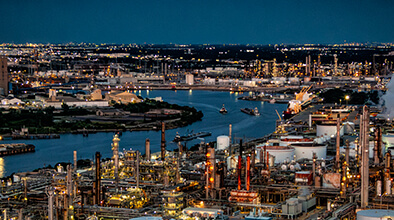
Refinery Accident Lawyer Sugar Land, TX
If you’ve been burned, exposed to toxic chemicals, or seriously injured in a refinery accident near Sugar Land, you’re facing an uphill fight. Petrochemical companies and their insurers move fast after incidents—deploying investigation teams, securing evidence, and building defenses before you’ve even left the hospital.
At Greenberg Streich Injury Lawyers, our Sugar Land, TX refinery accident lawyer team represents workers hurt in plant explosions, chemical releases, fires, and equipment failures throughout the Texas Gulf Coast. Mike Streich spent nearly a decade defending corporations in exactly these cases—oilfield incidents, pipeline explosions, refinery fires. He now uses that experience to fight for injured workers and their families.
You deserve attorneys who understand how these companies operate. We do.
Why Choose Greenberg Streich For Refinery Accident Cases In Sugar Land, Texas?
We Defended These Companies Before Switching Sides
Most plaintiffs’ attorneys learn about refinery operations through litigation. Mike Streich learned by representing the companies that run them. For close to ten years, he defended corporations and major insurers—including Lloyd’s of London—in catastrophic injury and death cases arising from refinery incidents, pipeline explosions, and industrial disasters. He also served as in-house counsel for an offshore construction company, handling everything from contract disputes to injury claims.
That background gives our firm something valuable: insight into how petrochemical defendants evaluate claims, prepare defenses, and decide what they’re willing to pay. Mike sat in rooms where those decisions were made. He knows which arguments carry weight and which ones are just posturing. He understands the internal pressure points that move cases toward resolution. He graduated cum laude from the University of Houston Law Center and has been named a Texas Rising Star by Super Lawyers multiple times.
Trial-Ready From Day One
Matt Greenberg has spent 12 years handling catastrophic injury cases as a Sugar Land, TX personal injury lawyer focused on serious claims. He has secured the largest recorded personal injury settlement in Tarrant County and the largest verdict in Montgomery County. Other firms refer their most difficult cases to him because they know he’ll take them to trial when necessary.
Refinery defendants respect attorneys who actually try cases. They factor that into their evaluations. When Greenberg Streich shows up on the other side of a claim, the conversation changes. Defense counsel knows we aren’t looking for a quick settlement. We’re building a case to present to a jury if that’s what it takes. Matt has been recognized by SuperLawyers, Lawdragon, and National Trial Lawyers for his courtroom work, and he’s been featured in media outlets including ABC, FOX, CBS, and Texas Lawbook discussing trial strategy and injury litigation.
Results In Refinery And Industrial Cases
We have recovered hundreds of millions of dollars for injured Texans. In cases involving refineries, plants, and industrial worksites, our case results include:
- $20 million
- $7.37 million
- $6.75 million
- $5.9 million
These numbers reflect what’s possible when you have attorneys willing to go the distance. Every case is different, and past results don’t guarantee future outcomes. But they demonstrate our commitment to fighting for full compensation rather than accepting whatever the defense offers first.
No Fee Unless We Recover
We handle refinery accident cases on contingency. You pay nothing upfront. We advance all costs—investigation, professional witnesses, litigation expenses. If we don’t recover compensation for you, you owe us nothing. This arrangement exists so that injured workers can access quality legal representation regardless of their financial situation. Refinery injuries often leave workers unable to earn income for months or longer. You shouldn’t have to choose between paying bills and hiring an attorney.
⭐⭐⭐⭐⭐
“Matt’s preparation and understanding of every aspect of the case allows his confident courtroom presence to shine. He communicates clearly and precisely his points to the jury, while maintaining his likeable personality. I would recommend Matt and his team to anyone!” — Trevor Brock

Types Of Refinery Accident Cases We Handle In Sugar Land
Refineries and petrochemical plants present hazards that don’t exist in other workplaces. Flammable materials, high-pressure systems, toxic chemicals, extreme temperatures—any of these can cause catastrophic injuries when safety protocols fail. We represent workers hurt in incidents across the Texas Gulf Coast, including Sugar Land, TX and Fort Bend County.
- Explosions and fires. Equipment failures, improper maintenance, and process safety breakdowns cause refinery explosions that kill and injure workers every year. These incidents often happen without warning. One moment everything appears normal; the next, a vapor cloud ignites or a pressure vessel ruptures. Survivors often suffer severe burn injuries requiring years of treatment, multiple skin grafts, and permanent disfigurement. Those who lose coworkers in the same blast carry psychological scars that last just as long.
- Chemical exposure. Benzene, hydrogen sulfide, hydrofluoric acid, and other toxic substances used in refining can cause acute injuries and long-term health damage. Hydrogen sulfide is particularly dangerous—at high concentrations, it can kill within minutes. Lower-level exposures may cause respiratory damage, neurological problems, and other conditions that don’t manifest for months or years. Workers exposed to carcinogens like benzene face elevated cancer risks that may not become apparent until decades later.
- Equipment malfunctions. Pressure vessel failures, valve malfunctions, and pump breakdowns create dangerous conditions that injure workers. Often, proper maintenance would have prevented the incident. Refineries operate under enormous pressure to maximize uptime, and that pressure sometimes leads to deferred maintenance and ignored warning signs. When equipment fails catastrophically, workers pay the price.
- Falls from heights. Refineries contain towers, catwalks, scaffolding, and elevated platforms. Workers regularly perform tasks dozens or even hundreds of feet above ground level. Falls from these structures cause brain injuries, spinal cord damage, broken bones, and death. Inadequate fall protection, poorly maintained scaffolding, and missing guardrails contribute to these incidents.
- Struck-by accidents. Heavy equipment, falling objects, and moving machinery injure refinery workers regularly. Cranes, forklifts, and transport vehicles pose particular risks during turnaround operations when hundreds of additional workers crowd onto the site. Dropped tools from elevated work areas can be fatal. Unsecured loads shift and fall. Workers get caught between equipment and structures.
- Confined space incidents. Tanks, vessels, and enclosed areas can fill with toxic gases or become oxygen-deficient without warning. Workers who enter without proper monitoring and rescue procedures face life-threatening conditions. Confined space fatalities often claim multiple victims—the initial worker who collapses and the coworkers who rush in to help without proper equipment.
- Electrical injuries. High-voltage systems throughout refineries create electrocution risks. Electrical burns and arc flash injuries can be fatal. Even non-fatal electrical contact can cause cardiac damage, nerve injury, and severe burns. Lockout/tagout failures and inadequate electrical safety procedures contribute to these incidents.
- Turnaround injuries. Scheduled maintenance shutdowns bring hundreds of additional workers onto refinery sites. The rush to complete work on deadline increases accident risk significantly. Contractors unfamiliar with the facility work alongside regular employees. Communication breaks down. Safety shortcuts happen. The combination of time pressure, unfamiliar workers, and complex operations creates conditions ripe for serious accidents.
Texas Legal Requirements For Refinery Injury Claims
Refinery injury claims involve legal considerations that differ from typical workplace accidents. Understanding these rules helps you make informed decisions about your case.
Third-Party Claims Beyond Workers’ Compensation
Texas doesn’t require private employers to carry workers’ compensation insurance. Some refineries and contractors opt out entirely. Others maintain coverage but structure operations to limit exposure. Either way, workers’ compensation often fails to cover the full extent of catastrophic injuries. Benefits are capped. There’s no compensation for pain and suffering. Future earning capacity gets calculated using formulas that may not reflect your actual losses.
Even when workers’ comp applies, it may not be your only option. Under Labor Code 417, injured workers can pursue claims against third parties whose negligence contributed to their injuries. In refinery settings, potential third parties include:
- General contractors responsible for site safety
- Subcontractors whose work created hazardous conditions
- Equipment manufacturers whose defective products caused injuries
- Companies that performed improper maintenance or repairs
- Property owners who failed to maintain safe premises
- Engineering firms whose designs created foreseeable hazards
Identifying all responsible parties requires thorough investigation. Our attorneys dig into contracts, safety records, maintenance histories, and corporate structures to build complete pictures of what went wrong and who bears responsibility.
Statutes Of Limitations
Personal injury claims in Texas generally must be filed within two years of the injury under Section 16.003 of the Civil Practice and Remedies Code. But refinery cases often involve multiple defendants, complex liability questions, and injuries that worsen over time. Starting early matters.
Evidence disappears quickly after refinery incidents. Companies repair or replace equipment. Electronic data gets overwritten. Witnesses leave for other jobs or forget details. Corporate defendants begin building their defenses immediately. We begin investigating immediately to preserve everything that might support your claim—before it vanishes.
For wrongful death claims, the two-year clock generally starts running from the date of death, not the date of the incident that caused it. But waiting serves no purpose. The sooner you contact an attorney, the better your chances of building a strong case.
Comparative Fault In Texas
Texas follows a modified comparative fault system under Chapter 33 of the Civil Practice and Remedies Code. If you’re found partially responsible for your injuries, your recovery gets reduced by your percentage of fault. If you’re more than 50 percent responsible, you recover nothing.
Refinery defendants routinely try to shift blame onto injured workers. They’ll claim you didn’t follow procedures, ignored warnings, or created the hazard yourself. They’ll point to training records you signed and safety meetings you attended. We push back aggressively against these arguments. Often, the “safety violations” defendants cite resulted from inadequate training, pressure to cut corners, or conditions the company itself created.

Damages In Sugar Land Refinery Accident Cases
Economic Damages
Refinery accidents often cause injuries requiring extensive medical treatment and extended time away from work. Economic damages compensate you for the measurable financial impact:
- Medical expenses. Emergency care, surgeries, hospitalization, rehabilitation, medications, physical therapy, and ongoing treatment. Burn victims frequently need multiple surgeries over several years. Traumatic brain injuries may require lifelong medical monitoring. Chemical exposure victims need specialized care that general practitioners can’t provide.
- Lost wages. Income missed during recovery. For workers who can’t return to their previous positions, this includes future earning capacity calculated over the remainder of their working lives. Refinery jobs pay well. Losing the ability to perform that work represents a substantial financial loss.
- Reduced earning capacity. Many refinery injuries prevent workers from returning to physically demanding jobs. The difference between what you could have earned and what you can earn now is compensable. A worker who made $100,000 annually but can now only perform sedentary work at $40,000 has lost $60,000 per year in earning capacity—potentially millions over a career.
- Home modifications. Serious injuries sometimes require wheelchair ramps, widened doorways, accessible bathrooms, or other changes to make homes livable. These modifications can cost tens of thousands of dollars.
- Life care costs. Catastrophic injuries may require ongoing medical care, assistance with daily activities, and specialized equipment for years or decades. Life care planners calculate these costs, which can reach into the millions for severe injuries.
Non-Economic Damages
Injuries affect more than your bank account. Non-economic damages address harm that doesn’t come with a receipt.
Physical pain accompanies most refinery injuries—burns, fractures, crush injuries, chemical burns. The suffering doesn’t end when you leave the hospital. Rehabilitation hurts. Surgeries hurt. Living with permanent injuries involves ongoing discomfort that monetary compensation can never fully address but should still recognize.
Mental anguish follows many industrial accidents. Survivors deal with anxiety, depression, PTSD, and fear of returning to similar work environments. Experiencing an explosion can create psychological trauma that lasts for years. Nightmares, flashbacks, and hypervigilance become part of daily life.
Disfigurement affects how survivors see themselves and how others see them. Burn scars, amputations, and visible disabilities change lives in ways that extend beyond the workplace. Social interactions become more difficult. Relationships suffer. Self-image takes a hit that doesn’t heal the way physical wounds do.
Loss of enjoyment covers activities you can no longer pursue—hobbies, sports, playing with children or grandchildren, time with family without pain or limitation. The things that made life worth living before the accident may no longer be possible.
Punitive Damages
When defendants act with gross negligence or conscious disregard for worker safety, Texas law allows punitive damages under Chapter 41 of the Civil Practice and Remedies Code. These damages punish particularly bad conduct and deter similar behavior.
Refinery operators who ignore known hazards, skip required maintenance, falsify safety records, or prioritize production over worker safety may face punitive exposure. The calculation involves economic damages multiplied by two, plus non-economic damages up to $750,000. In cases involving egregious conduct, punitive damages can substantially increase total recovery.
Sugar Land, TX Refinery Accident Statistics
The Texas Gulf Coast contains one of the world’s largest concentrations of refining and petrochemical capacity. That concentration brings economic benefits—and significant industrial hazards for workers throughout the region.
OSHA established a National Emphasis Program specifically for petroleum refineries after finding that no other industry sector had as many fatal or catastrophic incidents related to hazardous chemical releases. Between 1992 and 2009, OSHA documented 36 fatality/catastrophe incidents at refineries resulting in 52 worker deaths and 250 injuries requiring hospitalization. Those numbers only capture the most severe incidents—countless other injuries go unreported or get classified differently.
The Chemical Safety Board has investigated multiple Texas refinery disasters, including the 2005 BP Texas City explosion that killed 15 workers and injured 180 others. That incident resulted in $2.1 billion in settlements and remains one of the costliest industrial accidents in history. The CSB found organizational and safety deficiencies at all levels of BP’s corporate structure—problems that existed long before the explosion and could have been addressed.
According to the Bureau of Labor Statistics, Texas consistently records the highest number of oil and gas industry fatalities of any state. From 2007 to 2011, the industry averaged over 100 fatal injuries annually nationwide, with Texas accounting for the largest share. Workers in oilfield and refinery jobs face fatality rates far exceeding most other occupations.
Fort Bend County sits adjacent to major refining centers in Harris County and Brazoria County. Workers living in Sugar Land commute to facilities throughout the region—and face the hazards those facilities present every day they go to work.

Sugar Land, TX Refinery Accident FAQs
Can I Sue If Workers’ Compensation Covers My Injury?
Workers’ compensation doesn’t prevent you from pursuing claims against third parties. If someone other than your direct employer caused or contributed to your injury—a contractor, equipment manufacturer, or property owner—you may have a separate claim against them. These third-party claims aren’t subject to the same caps and limitations as workers’ comp benefits. We evaluate every refinery case to identify all potential defendants and can answer questions about the claims process during your consultation.
What If The Refinery Says I Violated Safety Rules?
Defendants routinely blame workers for their own injuries. That doesn’t mean you caused the accident or that you’re without recourse. Often, the safety violation defendants point to resulted from inadequate training, pressure from supervisors to cut corners, or conditions the company itself created. We investigate thoroughly to counter these arguments and demonstrate that the real fault lies elsewhere.
How Long Will My Case Take?
Refinery cases typically take longer than other personal injury claims because of their complexity. Multiple defendants, extensive discovery, corporate structures designed to obscure responsibility, and technical testimony all add time. Cases involving catastrophic injuries shouldn’t be rushed. The goal is obtaining fair compensation, not hitting an artificial deadline. That said, we move efficiently and keep clients informed throughout the process.
What Evidence Matters Most?
Everything. Incident reports, safety records, maintenance logs, training documentation, witness statements, photographs, video footage from security cameras, electronic data from equipment and control systems. Refinery companies often try to control this information after incidents. They conduct internal investigations that may be designed more to protect the company than to find the truth. Getting an attorney involved quickly helps preserve evidence before it disappears or gets altered.
Should I Talk To The Company’s Investigators?
Be cautious. Company investigators work for the company, not for you. What you say to them can be used against you later. You’re generally required to report workplace injuries and cooperate with legitimate safety investigations, but you’re not required to give detailed recorded statements or sign documents waiving your rights. If you’re unsure what to say or sign, talk to an attorney first.
Steps To Take After A Refinery Accident In Sugar Land, TX
At The Scene
Get medical attention immediately. Some injuries—chemical exposure, internal bleeding, traumatic brain injury—aren’t obvious right away. Adrenaline masks pain. Shock affects perception. Let medical professionals evaluate you even if you think you’re fine. What feels like a minor injury in the moment can turn serious hours or days later.
Report the incident to your supervisor. Make sure it gets documented in writing. Ask for a copy of any incident report that gets filed. Texas law requires employers to maintain records of workplace injuries, and you’re entitled to access records related to your own injury.
If you can do so safely, document the scene. Use your phone to photograph equipment, conditions, warning signs, and anything that might be relevant. Get names and contact information for witnesses—coworkers who saw what happened, supervisors who were present, anyone who might have useful information.
Don’t give recorded statements to company representatives or insurance adjusters without consulting an attorney. What you say in the immediate aftermath can affect your case. You may not fully understand your injuries yet. You may not know all the facts. Statements made under stress and pain can be taken out of context and used against you.
In The Days Following
Follow up with your own doctor, not just company-provided medical personnel. Create an independent medical record that you control. Company doctors work for the company. Their reports may minimize your injuries or suggest you can return to work before you’re ready. Your own physician answers to you.
Keep track of everything—medical appointments, medications, symptoms, days missed from work, conversations with supervisors and insurance representatives. Write things down while they’re fresh. Memories fade. Details blur. A written record created at the time carries more weight than recollections months later.
Don’t sign anything from the company or their insurer without having an attorney review it first. Early settlement offers rarely reflect the full value of serious injuries, and understanding what to do after an accident can protect your rights. Documents that look routine may contain waivers or admissions that hurt your case.
Contact an attorney experienced in refinery cases. These claims are too complex and the stakes too high for general-practice representation. You need someone who understands industrial accidents, process safety regulations, and how petrochemical defendants operate.

Dangerous Locations For Refinery Workers Near Sugar Land
Fort Bend County workers travel throughout the greater Houston area to reach refinery and petrochemical jobs. Major industrial corridors include:
- Texas City industrial complex along Galveston Bay, home to multiple refineries and chemical plants including facilities operated by Marathon, Valero, and others
- Pasadena and Deer Park facilities along the Houston Ship Channel, one of the most concentrated petrochemical corridors in the world
- Baytown refining operations in eastern Harris County, including the massive ExxonMobil complex
- Freeport and Brazosport chemical manufacturing in Brazoria County, with numerous Dow and BASF facilities
- La Porte petrochemical facilities near the Ship Channel
Highway 59 and Highway 6 connect Sugar Land to these industrial areas. Workers from Fort Bend County staff operations throughout the region, commuting daily to some of the most hazardous workplaces in America.
Local Resources For Refinery Accident Victims
- Memorial Hermann Sugar Land Hospital: 17500 West Grand Parkway South, Sugar Land, TX 77479 — Full-service hospital with emergency care capabilities for accident victims.
- Houston Methodist Sugar Land Hospital: 16655 Southwest Fwy, Sugar Land, TX 77479 — Level III trauma center equipped to handle serious accident injuries.
- UTMB Health Burn Center: 301 University Blvd, Galveston, TX 77555 — Regional burn treatment facility for severe thermal and chemical burns requiring specialized care.
- TIRR Memorial Hermann: 1333 Moursund St, Houston, TX 77030 — Rehabilitation hospital for catastrophic injuries including brain and spinal cord damage.
- OSHA Houston Area Office: The OSHA complaint portal allows workers to report workplace safety concerns and violations confidentially.
- Texas Department of Insurance: The TDI workers’ compensation division provides information about benefits, claims, and your rights as an injured worker.
- U.S. Chemical Safety Board: The CSB investigations database contains reports on major refinery incidents, root cause analyses, and safety recommendations.
- Fort Bend County District Clerk: The District Clerk’s office maintains court records and civil case filings.
Contact Greenberg Streich Injury Lawyers
Refinery accidents produce some of the most devastating injuries we see—severe burns, amputations, chemical exposure, traumatic brain damage, death. The companies responsible have resources most law firms can’t match. They hire the best defense attorneys, deploy teams of specialists, and fight hard to minimize what they pay. They’ve been through this before. They know how to protect themselves.
We match that commitment on behalf of injured workers.
If you or a family member was hurt in a refinery accident in Sugar Land or anywhere in the Texas Gulf Coast region, contact us for a free consultation. We handle these cases on contingency—no fee unless we recover compensation for you. We advance all costs. You risk nothing by calling.
Our attorneys have recovered hundreds of millions of dollars for injured Texans in catastrophic cases. We welcome referrals from attorneys who need experienced representation for refinery and industrial claims. Past clients have shared their experiences in testimonials on our website, and you can learn more about our approach on our firm overview page.