Oilfield Accident Lawyer Sugar Land, TX
If you have been injured while working in a Texas oilfield, you’re likely facing a complicated legal situation. Multiple employers, complex contractor relationships, federal safety regulations, and industry-specific liability rules all come into play—and the companies responsible for your injuries have legal teams that know exactly how to exploit these complexities.
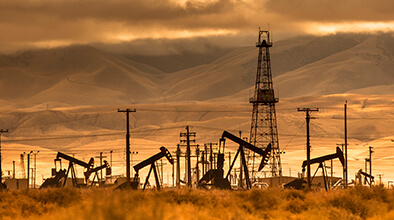
Greenberg Streich Injury Lawyers represents oilfield workers injured throughout Texas and the Gulf Coast region. Our Sugar Land, TX oilfield accident lawyer team handles claims arising from drilling rig accidents, well blowouts, equipment failures, explosions, chemical exposures, and the full range of hazards that make oil and gas extraction one of America’s most dangerous industries. Texas produces more oil than any other state. That production comes with serious risk to the workers who make it possible.
Why Choose Greenberg Streich For Oilfield Accident Cases In Sugar Land, Texas?
Defense Experience In Energy Industry Litigation
Mike Streich spent nearly a decade defending energy companies and their insurers in catastrophic injury cases. He represented Lloyd’s of London syndicate members handling claims from oilfield disasters. Rig explosions. Well blowouts. Refinery accidents. Industrial catastrophes that killed and maimed workers across Texas.
That background shapes everything about how Mike approaches plaintiff’s work now. He sat in defense strategy meetings and watched how energy companies evaluate claims and build defenses. He learned which arguments actually threaten their positions and which ones they dismiss. Now he uses that insider knowledge to dismantle the same strategies he once helped create.
Mike graduated cum laude from the University of Houston Law Center. Multiple Texas Rising Star recognitions. But what matters most is understanding how the other side thinks—and knowing how to beat them.
Proven Results In Catastrophic Cases
Our firm has recovered hundreds of millions for injured Texans. Our case results include a $20 million recovery for an oilfield burn victim—the kind of result that demonstrates what’s possible when experienced attorneys take on energy industry defendants.
Matt Greenberg brings 12 years of experience handling catastrophic injury claims. He secured the largest personal injury settlement ever recorded in Tarrant County, as well as the largest verdict in Montgomery County. ABC, FOX, CBS, and Texas Lawbook have covered his work. SuperLawyers, Lawdragon, and National Trial Lawyers have all recognized his achievements.
Oilfield injuries tend toward the catastrophic. Severe burns covering large body surface areas. Amputations from equipment failures. Traumatic brain injuries from explosions and falls. Wrongful death leaving families devastated. As a Sugar Land, TX personal injury lawyer focused on serious cases, Matt knows how to document, value, and present these injuries to juries.
Understanding Complex Oilfield Liability
Oilfield accidents rarely involve simple negligence by a single employer. Multiple companies operate on the same well site. Drilling contractors, service companies, equipment providers, operators—each with different roles, different insurance, different potential liability. Workers often don’t even know who actually employs them in any legal sense.
Sorting through these relationships matters. Some defendants have substantial insurance. Others carry minimal coverage. Some contractual arrangements shift liability in ways that affect who pays. We analyze the corporate structures, contracts, and relationships to identify every potentially responsible party and maximize available recovery.
Then there’s the question of which legal framework applies. Land-based oilfield work typically falls under state law. Offshore operations may implicate federal maritime law, the Jones Act, or the Outer Continental Shelf Lands Act. Getting this analysis right shapes the entire case strategy.
Resources For Extended Litigation
Energy companies don’t roll over. They hire expensive defense firms, retain industry professionals, and fight claims aggressively. Beating them requires resources and staying power.
We advance all litigation costs—professional witnesses, accident reconstruction, engineering analysis, medical evaluations, depositions, everything. No upfront fees. No hourly billing. Our contingency structure means you pay nothing unless we recover compensation. We get paid when you get paid.
⭐⭐⭐⭐⭐
“From the very first meeting, they made me feel like I was their most important client. They explained everything clearly, fought hard for me, and got results that exceeded my expectations. I couldn’t have asked for better representation.” — Robert Tran

Types Of Oilfield Accident Cases We Handle In Sugar Land
Oil and gas operations create hazards at every stage from exploration through production. We represent injured workers in cases involving:
- Drilling rig accidents. Rotary tables, draw works, kelly drives, top drives—drilling equipment operates under enormous forces that crush, amputate, and kill when things go wrong. Roughnecks and roustabouts work around this machinery constantly. Fingers disappear into chain drives. Arms get pulled into spinning equipment. Falls from derricks break backs. We handle cases where inadequate training, defective equipment, or pressure to rush operations caused preventable injuries.
- Well blowout injuries. When pressure control fails, wells can blow out catastrophically. Drilling mud and formation fluids erupt uncontrollably. Fires ignite. Explosions follow. Workers near the wellhead face burns, blast injuries, and toxic exposure. The Deepwater Horizon disaster killed 11 workers, but smaller blowouts injure and kill people regularly without making national news.
- Equipment failure accidents. Oilfield equipment operates in harsh conditions—extreme pressures, corrosive substances, constant vibration, punishing weather. Pumps fail. Valves rupture. Hoses burst under pressure. Cranes collapse. When equipment fails because manufacturers cut corners or operators skipped maintenance, injured workers have claims against responsible parties.
- Explosion and fire injuries. Hydrocarbons and ignition sources exist throughout oilfield operations. Tank battery explosions. Wellhead fires. Vehicle accidents igniting spilled fuel. Flash fires from vapor releases. Burn injuries from oilfield fires often cover large body surface areas and require years of treatment. Survivors face permanent disfigurement and disability.
- Chemical exposure injuries. Oilfield work involves contact with toxic substances—hydrogen sulfide, benzene, drilling mud chemicals, frac fluid additives, crude oil itself. Acute exposures can kill within minutes. H2S is particularly deadly. Chronic exposures cause cancers, respiratory disease, neurological damage. We handle both acute injury cases and occupational illness claims.
- Transportation accidents. Getting to and from well sites means traveling rural roads, often at odd hours, often fatigued. Truck accidents involving oilfield vehicles kill workers and civilians. Company vehicle crashes. Collisions with heavy equipment. Transport truck rollovers. These accidents often involve commercial vehicle regulations and multiple potentially liable parties.
- Caught-in and struck-by accidents. Moving equipment, swinging loads, pressurized systems—oilfield sites present constant struck-by and caught-in hazards. Tongs and slips crush hands. Pipe racks collapse. Suspended loads swing into workers. OSHA identifies these as leading causes of oilfield fatalities, yet they keep happening because companies prioritize production over safety.
- Fall accidents. Derricks, platforms, tanks, catwalks—oilfield work happens at height throughout operations. Falls from elevation cause spinal cord injuries, traumatic brain damage, broken bones, death. Inadequate fall protection, missing guardrails, defective scaffolding—we see the same failures repeatedly because the industry tolerates them.
Texas Legal Requirements For Oilfield Accident Claims
Negligence And Premises Liability
Most oilfield injury claims proceed under Texas negligence law. To recover, you must prove the defendant owed you a duty of care, breached that duty, and the breach caused your injuries. Different defendants owe different duties depending on their role and relationship to you.
Employers owe duties to provide reasonably safe workplaces, adequate training, proper equipment, and appropriate supervision. Site operators controlling premises owe duties to workers present on their property. Equipment manufacturers owe duties to design and build products free from unreasonable dangers.
Premises liability principles under Chapter 95 of the Civil Practice and Remedies Code affect claims against property owners for injuries to workers employed by independent contractors. This statute limits landowner liability in some circumstances but doesn’t eliminate it entirely when property owners maintain control over operations or have actual knowledge of dangerous conditions.
Workers’ Compensation Vs. Non-Subscriber Claims
Texas doesn’t require employers to carry workers’ compensation insurance. Many oilfield employers opt out, becoming “non-subscribers.” This choice has significant consequences for injured workers.
If your employer carries workers’ comp, you generally cannot sue them directly for negligence. Benefits are limited but guaranteed regardless of fault. If your employer is a non-subscriber, you can sue them for negligence—and they lose important defenses like contributory negligence and assumption of risk under Labor Code Chapter 406.
Determining your employer’s coverage status matters immediately after an injury. The answer shapes everything about how your case proceeds.
Third-Party Claims
Even workers covered by workers’ compensation can pursue third-party claims against entities other than their direct employer. In oilfield settings, this often includes:
Site operators who controlled the work area. General contractors responsible for overall site safety. Equipment manufacturers whose defective products caused injuries. Other contractors whose negligence contributed to accidents.
These third-party claims allow full damages—pain and suffering, complete wage loss, punitive damages in appropriate cases—that workers’ comp doesn’t provide. We identify all potentially liable third parties to maximize recovery.
Statute Of Limitations
Personal injury claims in Texas must be filed within two years under Section 16.003 of the Civil Practice and Remedies Code. Product liability claims may have different deadlines. Wrongful death claims run from the date of death, not the date of injury.
Two years sounds like plenty of time. It isn’t. Complex oilfield cases require extensive investigation—identifying all responsible parties, analyzing contracts, retaining specialists, building evidence. Starting early matters.
Federal Regulations
OSHA regulations establish minimum safety standards for oilfield operations. Violations don’t automatically prove negligence, but they provide strong evidence supporting claims. Common violations in oilfield injury cases include inadequate hazard communication, lockout-tagout failures, fall protection deficiencies, and confined space entry violations.
For operations involving transportation, FMCSA regulations govern commercial vehicles. Hours of service violations, inadequate maintenance, unqualified drivers—these regulatory breaches support negligence claims in oilfield transportation accidents.

What Damages Are Recoverable In Sugar Land Oilfield Accident Cases?
Economic Damages
Oilfield injuries generate massive economic losses. Medical expenses start accumulating immediately—emergency transport, trauma surgery, ICU stays, burn units, rehabilitation. They don’t stop there. Serious oilfield injuries require years of follow-up care. Reconstructive surgeries. Physical therapy. Psychological treatment. Medications. Medical equipment. Home modifications for disability access.
We work with life care planners who project lifetime medical needs. A severe burn victim might require dozens of surgeries over decades. A traumatic brain injury patient might need 24-hour care indefinitely. These projections translate into present-value calculations showing what injuries actually cost over a lifetime.
Lost income devastates families. Oilfield workers often earn substantial wages—$60,000 to $120,000 annually or more for experienced hands. Career-ending injuries mean decades of lost earnings. Even workers who eventually return to some employment may face permanent limitations reducing their earning capacity. We retain economists and vocational specialists who calculate these losses accurately.
Other economic damages include property damage, household services you can no longer perform, and incidental expenses accumulating throughout recovery and beyond.
Non-Economic Damages
Pain and suffering from oilfield injuries often proves severe and lasting. Burn treatment involves excruciating debridement procedures. Amputations require learning to live with prosthetics that never quite replace what was lost. Spinal injuries mean chronic pain that medications manage but never eliminate. Texas law recognizes physical suffering as compensable harm deserving substantial awards.
Mental anguish follows serious accidents. Depression is common. Anxiety about financial futures. PTSD from explosions, fires, and experiencing trauma. Survivors of major oilfield disasters often struggle psychologically for years. These harms are real even when they don’t generate itemized medical bills.
Loss of enjoyment covers activities and pleasures injuries have taken away. The hobbies you can’t pursue. Time with family limited by pain or disability. The life you expected to live after your working years, now fundamentally diminished.
Disfigurement from burns, amputations, or severe scarring affects how others perceive you and how you perceive yourself. Courts recognize this harm as separate from physical pain and compensable on its own terms.
Punitive Damages
When defendants demonstrate gross negligence—conscious indifference to worker safety, knowing violations of safety rules, prioritizing production over human life—Texas allows punitive damages under Chapter 41 of the Civil Practice and Remedies Code. These damages punish particularly egregious conduct and deter similar behavior throughout the industry.
Oilfield cases sometimes support punitive awards. Companies that ignore known hazards. Employers who pressure workers to skip safety procedures. Operators who falsify inspection records. When evidence reveals this level of misconduct, we pursue punitive damages aggressively.
Oilfield Accident Statistics In Sugar Land
Texas dominates American oil production. According to the U.S. Energy Information Administration, Texas produces over 5.4 million barrels of crude oil daily—roughly 43% of total U.S. production. The Permian Basin alone produces more oil than most OPEC nations. Eagle Ford Shale operations extend across South Texas. Offshore platforms dot the Gulf. This massive industry employs hundreds of thousands of workers directly, with many more in support roles.
That production comes at a cost in human terms. The Bureau of Labor Statistics reports oil and gas extraction fatality rates roughly five times higher than the all-industry average. In recent years, the industry has averaged over 100 fatalities annually nationwide. Texas accounts for a disproportionate share given its production dominance.
OSHA identifies consistent hazard patterns. Struck-by and caught-in accidents cause approximately 20% of oilfield fatalities. Falls account for another significant portion. Fires and explosions—though less frequent—tend toward the catastrophic when they occur. Vehicle accidents kill oilfield workers at elevated rates, reflecting the rural driving and irregular schedules the work demands.
The Texas Railroad Commission, despite its name, regulates oil and gas operations statewide. Commission data reveals thousands of reported incidents annually—fires, spills, blowouts, equipment failures. Many cause injuries. Some cause deaths. The numbers fluctuate with drilling activity, spiking during booms and declining during busts, but the hazards remain constant.
Non-fatal injuries vastly outnumber fatalities. Sprains, strains, fractures, lacerations, burns—oilfield workers suffer these injuries daily across Texas. Many go unreported or get handled informally. The true toll of oilfield work exceeds what any statistics capture.
Fort Bend County residents working in the oil and gas industry typically travel to job sites across Texas—Permian Basin operations, Eagle Ford wells, Gulf Coast facilities. When injuries occur far from home, workers need accessible attorneys who understand this industry’s unique hazards and legal complexities.

Sugar Land, TX Oilfield Accident FAQs
Who Can I Sue For An Oilfield Injury?
It depends on the circumstances. If your employer is a workers’ comp non-subscriber, you can sue them directly. Even with workers’ comp coverage, you can pursue third-party claims against other responsible parties—site operators, general contractors, equipment manufacturers, other contractors whose negligence contributed. We investigate all potential defendants to identify every available recovery source.
What If Multiple Companies Worked On The Site?
Multiple defendants often share liability in oilfield accidents. General contractors may bear responsibility for overall site safety. Operators controlling the premises may be liable for hazardous conditions. Equipment suppliers may face product liability claims. Other contractors may share fault for their own negligent acts. We analyze the relationships and contracts to identify all potentially liable parties.
How Do I Know If My Employer Has Workers’ Compensation?
Texas employers must notify employees whether they carry workers’ comp coverage. If you weren’t clearly informed, ask HR or management directly. We can also verify coverage status through the Texas Department of Insurance. The answer significantly affects your legal options, so determining coverage status quickly matters.
Can I Sue An Equipment Manufacturer?
Yes, if defective equipment caused or contributed to your injury. Product liability claims against manufacturers don’t depend on proving negligence—strict liability applies to unreasonably dangerous products. Defective design, manufacturing flaws, inadequate warnings—any of these can support claims against manufacturers regardless of your employment relationship with other defendants.
What If I Was Partially At Fault For The Accident?
Texas follows modified comparative fault under Section 33.001 of the Civil Practice and Remedies Code. You can recover if your fault was 50% or less, but your recovery decreases by your fault percentage. At 51% or more fault, you recover nothing. Defense attorneys routinely argue injured workers contributed to their own accidents. We develop evidence countering these arguments.
Steps To Take After An Oilfield Accident In Sugar Land, TX
At The Scene
Report your injury to supervisors immediately. Get documentation of your report—written confirmation if possible. Employers have specific recording requirements under OSHA regulations, and your report triggers those obligations. Request medical attention and don’t downplay symptoms. Adrenaline masks pain, and some serious injuries don’t manifest obvious symptoms immediately.
Identify witnesses while memories are fresh. Get names and contact information. Photograph the accident scene, equipment involved, conditions contributing to the incident—anything relevant. Evidence preservation matters because oilfield sites change rapidly. Equipment gets repaired or moved. Conditions get altered. What you document immediately may be all that survives.
In The Days Following
Seek thorough medical evaluation even if initial symptoms seem manageable. Some injuries—internal bleeding, traumatic brain injury, chemical exposure effects—take time to manifest fully. Follow all treatment recommendations without gaps. Defense attorneys exploit treatment gaps to argue injuries weren’t serious.
Determine your employer’s workers’ compensation status if you don’t already know. The answer shapes your legal options fundamentally. Keep detailed records—medical appointments, symptoms, limitations, missed work, expenses, communications with employers and insurers.
Don’t sign anything from employers or insurance companies without attorney review. Settlements offered early rarely reflect full claim value. Documents that seem routine may waive important rights.
Before Filing A Claim
Consult an experienced oilfield accident attorney as soon as possible. These cases require extensive investigation—identifying all responsible parties, analyzing complex contractor relationships, retaining appropriate professionals. Starting early preserves evidence and strengthens claims.
Understanding proper post-accident steps protects your ability to recover full compensation. We guide injured workers through the process from initial consultation through resolution.

Dangerous Locations For Oilfield Accidents Near Sugar Land
Texas oil and gas operations span the state. Fort Bend County residents working in the industry typically travel to:
Permian Basin operations in West Texas, where horizontal drilling and hydraulic fracturing have created the most productive oil region in American history. The activity concentration means elevated accident rates.
Eagle Ford Shale across South Texas, stretching from the Mexican border through multiple counties south and east of San Antonio. Drilling, completion, and production operations employ thousands.
Gulf Coast refineries and petrochemical facilities processing crude oil into finished products. These facilities present industrial hazards overlapping with oilfield work.
Offshore platforms in federal waters, where the Outer Continental Shelf Lands Act and maritime law may apply rather than Texas state law.
Pipeline operations throughout the state, where construction accidents and maintenance work create distinct hazards.
Local Resources For Oilfield Accident Victims
- Occupational Safety and Health Administration: OSHA enforces workplace safety standards and investigates serious oilfield accidents.
- Texas Railroad Commission: The RRC regulates oil and gas operations statewide and maintains incident data.
- Texas Department of Insurance: TDI oversees workers’ compensation and can verify employer coverage status.
- Bureau of Labor Statistics: BLS publishes injury and fatality data for oil and gas extraction.
- Memorial Hermann Texas Medical Center: 6411 Fannin St, Houston, TX 77030 — Level I trauma center with burn unit for severe oilfield injuries.
- TIRR Memorial Hermann: 1333 Moursund St, Houston, TX 77030 — Rehabilitation for catastrophic injuries including amputations and spinal cord damage.
- Fort Bend County District Clerk: The District Clerk’s office maintains civil court records.
Contact Greenberg Streich Injury Lawyers
Oilfield work is dangerous. Everyone knows it. Workers accept certain risks when they take these jobs. But they shouldn’t accept injuries caused by employer negligence, defective equipment, or corporate indifference to safety. When companies prioritize production over human life, they should pay the consequences.
If you’ve been injured in an oilfield accident anywhere in Texas, contact us for a free consultation. We’ll investigate what happened, identify all responsible parties, and explain your legal options clearly.
Our attorneys have recovered hundreds of millions for injured Texans, including $20 million for an oilfield burn victim. We welcome referrals from attorneys needing experienced representation for oilfield injury cases. Past clients share their experiences in testimonials, and our firm overview explains how we approach serious cases.