Uninsured Coverage Stays Unless Rejected
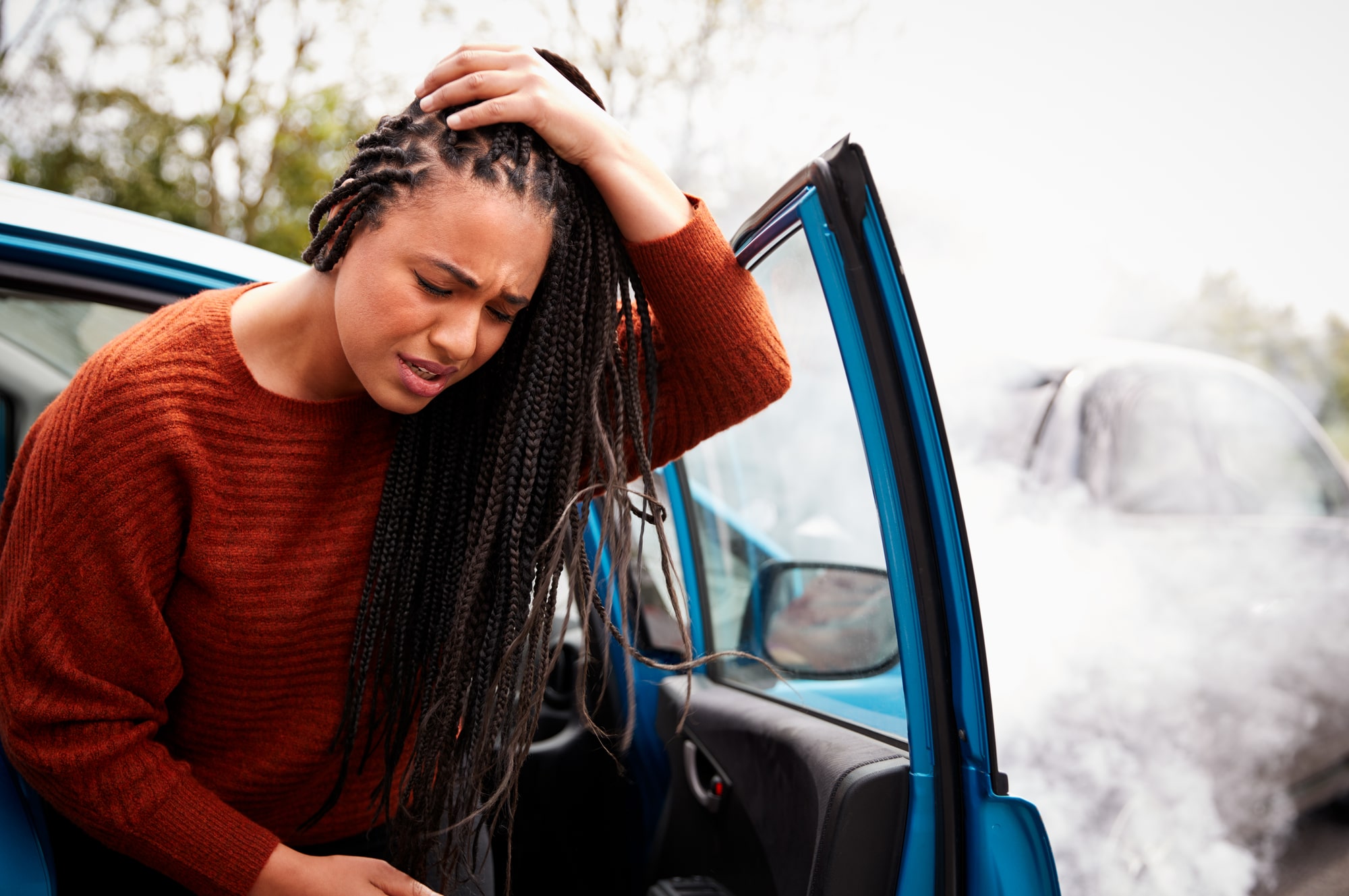
Some drivers carry no liability insurance, and others carry too little. A crash with either one can leave an injured person with bills and no one to pay them. Texas addresses part of this problem through a coverage that sits on the injured person’s own policy.
What Section 1952.101 Requires
Texas Insurance Code section 1952.101 governs uninsured and underinsured motorist coverage. The key points are:
- The coverage must be provided in or supplemental to an automobile liability policy delivered or issued in Texas
- It protects insureds who are legally entitled to recover damages for bodily injury, sickness, disease, death, or property damage from the owner or operator of an uninsured or underinsured vehicle
- The coverage must be at least the limits required by Transportation Code chapter 601
- A named insured may reject the coverage in writing
The Written Rejection
Unless a named insured rejects the coverage in writing, the policy must include it. Silence is not rejection. An oral comment to an agent doesn’t meet the statute’s wording. Renewals follow a rule of their own: when a named insured has rejected the coverage, the insurer doesn’t have to provide it in a reinstated or renewal policy unless the insured requests it in writing.
Policyholders who can’t remember rejecting the coverage should ask the insurer for the signed form. If the insurer can’t produce one, the coverage may apply under the statute.
Uninsured and Underinsured Mean Different Things
An uninsured driver has no liability policy to pay a claim. An underinsured driver has a policy, but its limits fall short of the damages. The difference affects how the claim proceeds, since an underinsured claim begins with the other driver’s policy and then turns to the injured person’s own coverage.
Fault still matters in both cases. The injured person must show the other driver caused the harm, and guidance on left-turn fault rules shows how that proof can work at an intersection.
Texas has also changed other injury rules in recent years. Our summary of Texas legal changes helps place the coverage rules in context.
Checking Your Own Policy
Before a claim is filed, it helps to gather the policy documents. Useful items include:
- The declarations page, which lists the coverages and limits
- Any signed rejection form
- Renewal notices that show changes in coverage
- The claim number and the adjuster’s name
Policyholders can ask a Pasadena car accident lawyer to read these documents alongside the crash report and the other driver’s insurance information. Our attorneys check whether the policy includes the coverage and whether the limits match the statute’s floor.
Medical bills, lost income, and repair costs from the crash all belong in the file before the claim is presented to the policyholder’s own insurer. Organizing them from the first week keeps the claim documented.
Claims With Special Facts
A driver who flees the scene leaves no policy to pursue. Our hit-and-run accident guide outlines the family steps after such a crash, including how a person’s own coverage may enter the picture.
Commercial vehicles bring more parties into the case. Families can ask a Pasadena truck accident lawyer to identify the carrier, the driver’s policy, and any other source of recovery.
Riders face their own set of questions. Our Pasadena motorcycle accident lawyer team can explain how their coverage interacts with the rules. The same written-rejection question applies to a rider’s auto policy.
Who Reviews These Claims
A coverage review starts with the policy declarations and any signed rejection form, then moves to the crash facts. Matt Greenberg is a Texas trial lawyer with 12 years of experience representing plaintiffs. Mike Streich has 13 years of experience, was named a Texas Rising Star, and previously defended companies and insurance syndicates. Greenberg Streich Injury Lawyers brings plaintiff-side and insurer-side experience to a coverage review.
Section 1952.101 requires a written rejection before uninsured motorist coverage can be dropped. Anyone hurt in a Pasadena crash can reach out to us, and we’ll go through the policy to see what coverage applies.