Comparative Fault in Houston Motorcycle Cases
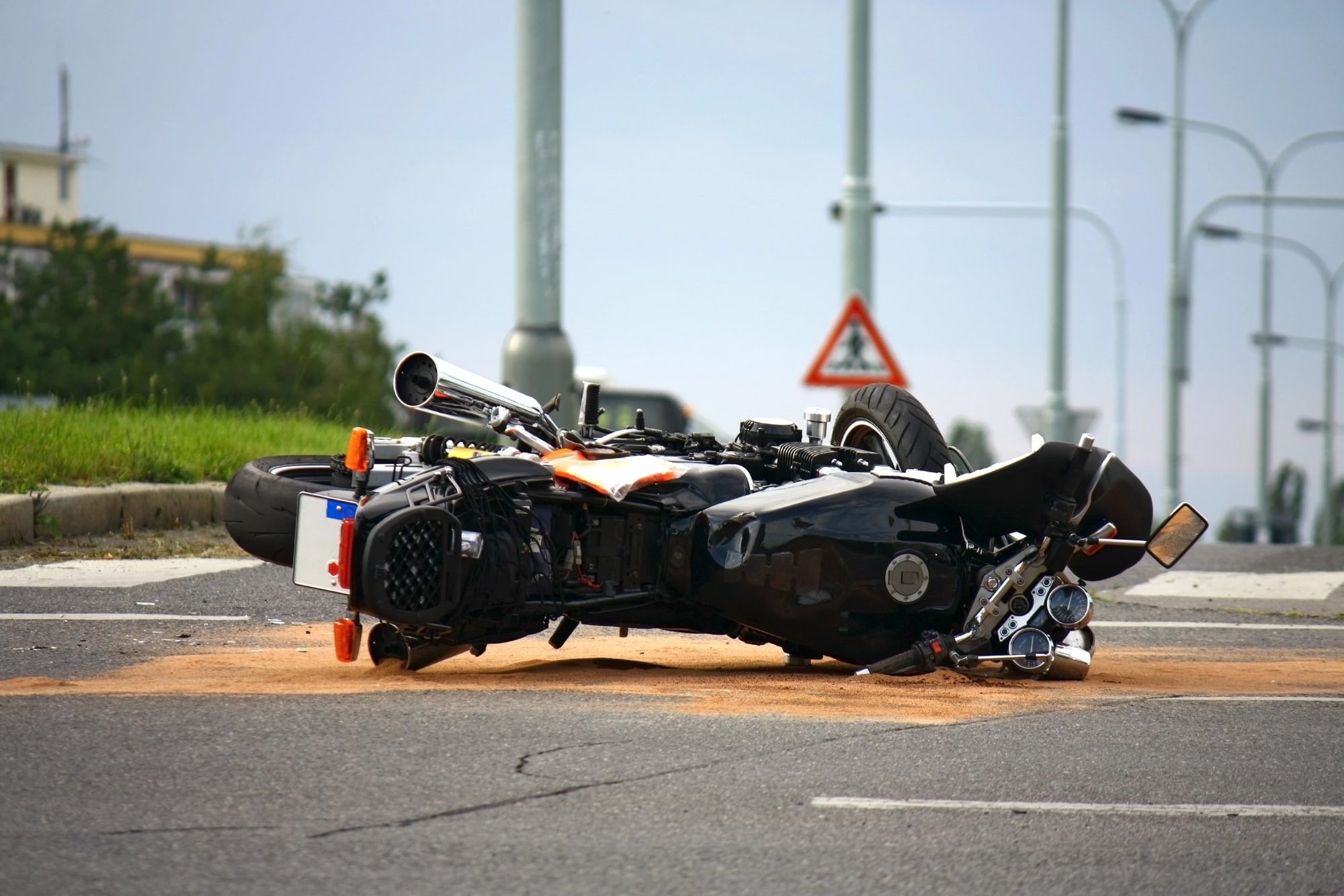
When a car driver causes a crash that seriously injures a motorcyclist, the at-fault driver’s insurer doesn’t just write a check. They investigate. And in motorcycle cases, that investigation almost always includes a deliberate search for anything the rider did that can be characterized as contributing to the accident. Understanding why that happens, and what it means for an injured rider’s recovery, is foundational to understanding how Houston motorcycle cases actually work.
Texas’s modified comparative fault system gives insurers a specific financial incentive to find fault with the motorcyclist. Every percentage point they shift onto the rider reduces what they owe. And if they can push that percentage above 50%, the claim disappears entirely.
How Texas’s Modified Comparative Fault System Works
Texas follows a modified comparative fault framework under Texas Civil Practice and Remedies Code Section 33.001. When multiple parties share responsibility for an accident, the jury assigns each party a percentage of fault. The injured person’s total damages are then reduced by their percentage of fault.
A Houston motorcycle rider found 20% responsible for a crash that caused $500,000 in damages recovers $400,000. The reduction is proportional. But when the rider’s fault reaches 51% or more, recovery is barred completely. The 51% bar is where the stakes become existential rather than financial.
This framework makes fault allocation the central battleground in most Houston motorcycle cases. The difference between 49% and 51% assigned to the rider isn’t just a percentage. In serious injury cases, it’s the difference between a multi-million dollar recovery and nothing.
Why Insurers Target Motorcyclists Specifically
Motorcycle cases attract more aggressive fault attribution than typical car accident cases for several reasons, and none of them have much to do with what actually happened in any specific crash.
Insurers and their defense teams know that jurors often bring preconceptions about motorcyclists. Studies on juror attitudes in motorcycle accident cases consistently find that a meaningful segment of jurors hold negative views about motorcyclists as a class, viewing them as risk-takers before hearing any evidence. Defense attorneys build strategies around those preconceptions, presenting evidence designed to confirm a juror’s existing bias rather than objectively describe what happened.
That context means that even a rider who was operating completely legally and within all traffic laws may face significant fault allocation arguments in a Houston courtroom, simply because of the vehicle they were riding. Countering those arguments requires evidence-based storytelling that challenges the preconception directly rather than ignoring it.
What Fault Arguments Insurers Typically Deploy Against Houston Riders
Common fault arguments directed at Houston motorcyclists include:
- The rider was traveling above the posted speed limit, even marginally
- The rider was riding in a position that made them less visible to other drivers
- The rider failed to take evasive action that a hypothetical skilled operator would have taken
- The rider’s gear or equipment didn’t meet an informal standard of what a “responsible” rider would wear
- The rider had a prior traffic history that the defense characterizes as a pattern of risky behavior
- The rider was operating outside the lane position that the defense claims was safest given the specific road conditions
Each of these arguments is designed to assign fault points that reduce the insurer’s financial exposure. Some are based on genuinely disputed facts. Some are based on speculation about what a different rider might have done in the same circumstances. Separating legitimate fault questions from manufactured fault narratives is part of what a Houston motorcycle accident lawyer does when building the response to these arguments.
How Fault Gets Established and Challenged
Fault percentages don’t come from nowhere. They’re built from evidence and argued by each side. The types of evidence that shape how fault gets allocated in Houston motorcycle cases include:
- Traffic camera and surveillance footage showing the sequence of events and the positions of both vehicles before impact
- Police accident reports and any citations issued at the scene
- Witness statements from people who observed the crash or the seconds leading up to it
- Accident reconstruction expert analysis when the sequence of events is disputed or when the defense mischaracterizes what happened
- Electronic data from the vehicles involved, including event data recorders that capture speed, braking, and steering inputs
- Cell phone records when distracted driving by the car driver is suspected
Matt Greenberg and Mike Streich at Greenberg Streich Injury Lawyers build the evidentiary record that supports accurate fault allocation and challenges the inflated fault percentages that insurers routinely propose in Houston motorcycle cases. Their combined background on both the plaintiff and defense sides of these cases gives them direct insight into how fault narratives get constructed and where they’re most vulnerable to challenge.
Why Acting Quickly Protects Fault Arguments
Surveillance footage gets overwritten. Witnesses move on. Accident scene conditions change. The evidence that exists in the hours and days following a crash is almost always stronger than what can be reconstructed later.
When a Houston rider is seriously injured, the insurer for the at-fault driver often begins its own investigation immediately, gathering evidence and building its fault narrative before the rider has even been discharged from the hospital. Engaging a Houston motorcycle accident lawyer early in the process allows for immediate evidence preservation, witness identification, and a parallel investigation that ensures the rider’s version of events is supported by the same quality of evidence the defense is building its case on.