Texas State Court Venue: A Practical Guide for Injury Victims
Venue in Texas Personal Injury Lawsuits: How It’s Chosen, Why It Matters, and How a Bad Venue Can Hurt Your Case
When most people think about a personal injury lawsuit, they focus on what happened—the crash, the fall, the defective product, the negligent security incident.
Lawyers also focus on something else, very early: where the case will be filed.
That “where” is called venue, and in Texas state court lawsuits, venue is not just paperwork. It can affect:
- the jury pool you’ll draw from
- the judge and local rules you’ll deal with
- how fast the case moves
- how expensive litigation becomes
- in many cases, the leverage that pushes a case toward fair settlement value
Below is a practical guide to how venue is chosen in Texas, how the rules work, what happens when a case gets filed in the wrong place, and why it’s worth hiring an experienced Texas personal injury lawyer who understands venue strategy—especially in high-stakes injury and wrongful death cases.
What is “venue” (and how is it different from jurisdiction)?
People often mix up venue and jurisdiction.
- Jurisdiction answers: Does this court have authority over the type of case and the parties?
- Venue answers: Which county is the correct (or allowed) place to file within the court system?
In Texas, most serious injury cases are filed in Texas state district courts. Venue then determines which county’s district court is the right one.
This matters because Texas is huge. A case filed in one county can feel like a different world than the same case filed two counties away.
The basic Texas venue rule (the “general rule”)
Texas has a general venue statute that sets out where a lawsuit may be filed. In plain English, Texas generally allows venue in a county tied to:
- where the events happened,
- where a defendant resides (if the defendant is an individual), or
- where a corporate defendant’s principal office is located in Texas.
That’s the starting point. But it’s not the whole story.
Venue is decided early—and it’s often fought early
Venue is typically challenged at the beginning of the case through a motion to transfer venue under Texas procedural rules. The rules lay out the process for filing the motion and how the court decides it.
And importantly, Texas law makes clear that a venue hearing isn’t a mini-trial. The court decides venue without requiring proof of the case’s merits.
How venue works in real personal injury cases
Most injury cases revolve around a predictable set of venue facts. Our Texas personal injury lawyers usually start by mapping the case to these questions:
1) Where did the incident happen?
For many cases, the county where the crash or injury occurred is a clean and defensible venue choice under the general rule.
2) Where does the defendant live (if the defendant is a person)?
If you’re suing an individual driver, for example, venue may be proper where that person resides.
3) If the defendant is a company, where is its “principal office” in Texas?
Corporate venue can get complicated. Many large companies operate statewide, but venue often turns on where the company’s principal Texas office is located (as defined by the venue statute and case law).
4) Are there multiple defendants?
Texas has specific provisions for multiple defendants and how venue can be established across parties.
Example: a trucking crash might involve the driver, the motor carrier, a shipper/broker, and a maintenance contractor, each with different “venue hooks.” Getting venue right at the start means understanding how those hooks interact.
How the choice of venue impacts your case (in ways most people don’t expect)
Venue isn’t supposed to decide justice. In practice, it often influences the path your case takes.
Here are the biggest real-world impacts.
1) Jury pool and “community lens”
Jurors aren’t blank slates. Counties differ in:
- attitudes toward personal responsibility
- trust (or distrust) of large corporations
- views on “lawsuits” in general
- familiarity with trucking, oilfield work, industrial accidents, or medical systems
A venue with a jury pool that understands, for example, how violent an 18-wheeler collision is can change how damages are perceived, even before you get to trial.
2) Court culture and scheduling
Some counties move cases faster. Others have crowded dockets.
Speed matters because:
- delay can strain injured clients financially
- witnesses move, memories fade, records get harder to obtain
- defense insurers sometimes “wait out” cases strategically
Venue can influence whether your case gets a trial date that creates real settlement pressure, or whether it sits.
3) Local rules, discovery norms, and judge-by-judge differences
Even with statewide rules, each county—and each court—develops a litigation “rhythm.”
That can affect:
- how quickly hearings get set
- how strictly deadlines are enforced
- whether the court expects early mediation
- how discovery disputes are handled
A lawyer who regularly practices in a venue often has practical insight you can’t get from reading the statute.
4) The cost of litigation
Bad venue choices can inflate costs fast:
- travel for depositions and hearings
- higher expenses for out-of-county experts
- logistical headaches for medical witnesses
- duplicative work if venue gets transferred
Costs matter in contingency cases because unnecessary cost can reduce net recovery and can make some cases harder to pursue aggressively.
5) Settlement leverage (the unspoken driver)
Most cases settle. Venue can shape what the defense thinks the case is “worth” because the defense evaluates:
- risk of a plaintiff-friendly jury
- likelihood of getting a defense-oriented jury
- trial setting speed
- court track record on motions and evidentiary issues
This is why venue often becomes one of the first battlefields in serious injury litigation.
Why choosing a bad venue can harm your case
A “bad venue” can mean two different things:
- Legally improper venue (the defense can force transfer)
- Legally proper but strategically weak venue (you can stay there, but it hurts case value)
Both can damage a claim.
Harm #1: You can lose time—months, sometimes more
If the defense files a motion to transfer venue, the court has to decide it under the Texas venue rules and procedure. Even when plaintiffs ultimately keep venue, the fight consumes time and attention early—right when preservation letters, early investigation, and medical documentation should be the focus.
Harm #2: You can hand the defense a pressure point
A shaky venue gives the defense leverage:
- “We’ll settle, but only after venue gets fixed.”
- “We’re not mediating until the transfer is decided.”
- “We’re going to force you to spend time and money fighting venue.”
Harm #3: You can increase expense and friction for your own client
If venue is far from the client’s home, routine steps become harder:
- client travel for deposition
- attending mediation
- meeting with the legal team
- coordinating medical witnesses
Harm #4: You might get stuck in a venue that undervalues injury claims
Even if venue is legally proper, some venues are simply tougher for plaintiffs in practice.
That doesn’t mean you can’t win. It means a lawyer must adjust strategy:
- case framing
- jury selection planning
- expert selection
- settlement posture
And it means venue selection should be treated as a case-shaping decision, not a clerical step.
How Texas lawyers actually choose venue (the real checklist)
A good Texas injury lawyer typically works through venue like this:
Step 1: Identify every legally available venue option
This starts with the general rule and expands based on:
- number/type of defendants
- residence/principal office facts
- location of the incident
- any statutes that create mandatory venue
Step 2: Stress-test the venue against a transfer motion
A smart filing choice is one you can defend with evidence (as needed) and clean statutory logic. Texas procedure gives defendants a clear pathway to challenge venue early.
So the question isn’t “Can we file here?” It’s “Can we keep it here?”
Step 3: Evaluate practical realities that affect case outcomes
Once the legally available venues are identified, experienced lawyers evaluate:
- jury pool tendencies
- docket speed
- judicial assignment and court culture
- local mediation norms
- logistics for witnesses and experts
- defense counsel footprint in the county
Step 4: Consider “future-proofing” the pleadings
Venue and party structure interact. For example:
- adding (or not adding) a party can change venue options
- joining multiple plaintiffs can create venue hurdles
A careful lawyer builds the case so venue makes sense and the liability story remains clean.
Step 5: Align venue strategy with the client’s goals
Some clients want speed. Others want maximum trial readiness. Sometimes the best venue choice balances:
- a strong liability narrative
- credible damages presentation
- manageable litigation burden
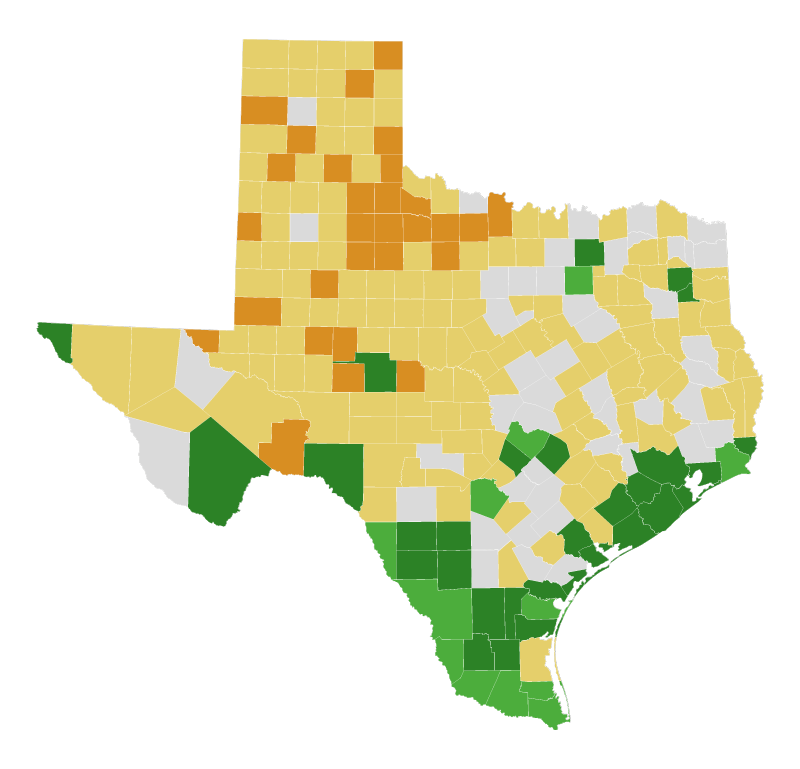
Using our Texas Venue Favorability Map as a starting point
Because venue matters so much—and because Texas has 254 counties—having a “big picture” view helps. We built a resource to help clients and referring lawyers understand how venue can influence a personal injury case:
Texas Venue Favorability Map: https://gsinjuryfirm.com/texas-venue-favorability-map/
Use it as:
- a quick orientation tool
- a conversation starter about where a case might land
- a reminder that “Texas” isn’t one uniform litigation environment
Important: A map can’t replace a statute-based venue analysis. The law decides where you may file. Strategy decides which of those lawful options best protects the case.
Common venue misconceptions (and the truth)
“We can file wherever the plaintiff lives.”
Sometimes, but not always. Many cases tie venue more strongly to where the incident occurred or where defendants are located.
“If we file in a better county, the defense can’t do anything.”
If venue is improper (or not proven properly), defendants can seek transfer under Texas rules.
“Venue is just forum shopping.”
Choosing lawful venue is part of competent lawyering. The real problem is choosing a venue you can’t support, or choosing a venue without understanding how it impacts the case.
“If venue changes later, it’s no big deal.”
It can be a big deal. Transfer can reset momentum, increase cost, and delay resolution.
Venue fights you should know about (in plain English)
Motions to transfer venue
Defendants often challenge venue early through a motion to transfer. Texas procedural rules govern how that motion is presented and decided.
Forum non conveniens (rare, but real in some cases)
In cases with significant out-of-state or international connections (including some wrongful death and multi-jurisdiction incidents), defendants may seek dismissal based on forum non conveniens, which can result in dismissal of your case.
This typically isn’t the central issue in a standard in-state car crash. But for certain catastrophic cases—especially involving foreign plaintiffs, foreign incidents, or complex corporate structures—it can become part of the venue/placement chessboard.
Why it’s important to pick a lawyer who knows how to evaluate venue
Venue analysis sits at the intersection of:
- statute
- procedure
- evidence
- and practical trial experience
A lawyer who treats venue as an afterthought can accidentally:
- file in a county that can’t be kept
- trigger avoidable venue litigation
- increase delay and cost
- or place the case in a venue that weakens settlement leverage
On the other hand, a lawyer who understands Texas venue can:
- identify every lawful option
- select the venue that best matches the case facts
- defend against transfer attempts
- and build litigation momentum early
That’s not about gaming the system. It’s about protecting your case from preventable problems.
Venue FAQ’s
What determines venue in a Texas personal injury lawsuit?
Venue is usually determined by the county where the events occurred, where a defendant resides, or where a corporate defendant’s principal office is located.
Can the defendant change the venue after I file?
The defendant can file a motion to transfer venue early in the case under Texas procedural rules if they believe venue is improper (or not properly established).
Why does venue matter if the law is the same across Texas?
Venue can affect the jury pool, court scheduling, local practices, litigation cost, and settlement leverage, even though statewide law applies.
Is it “forum shopping” to pick a favorable Texas county?
Choosing among legally proper venues is part of case strategy. Problems arise when a case is filed in a county that is not legally supportable or when venue strategy overrides good lawyering.
What is a “principal office” for Texas venue purposes?
For corporate defendants, Texas venue law looks to the company’s principal office in Texas as one possible venue hook under the general venue framework.
Does having multiple defendants change where the case can be filed?
Yes. Venue rules address multiple defendants and how proper venue for one can impact the overall case, depending on the statute and facts.
If you or a loved one were injured in Texas, venue is one of the first decisions that can protect—or weaken—your case. The earlier it’s evaluated, the more options you usually have.
And if you’re a referring lawyer with a Texas personal injury matter, a venue consult can help you:
- confirm all lawful venue options
- avoid transfer fights that drain time and fees
- and position the case for the strongest possible resolution
Start with our Texas Venue Favorability Map. Then contact our team to discuss the facts of your claim and the best venue strategy for your case.