Texas Oilfield Burn Lawsuits: What You Need to Know
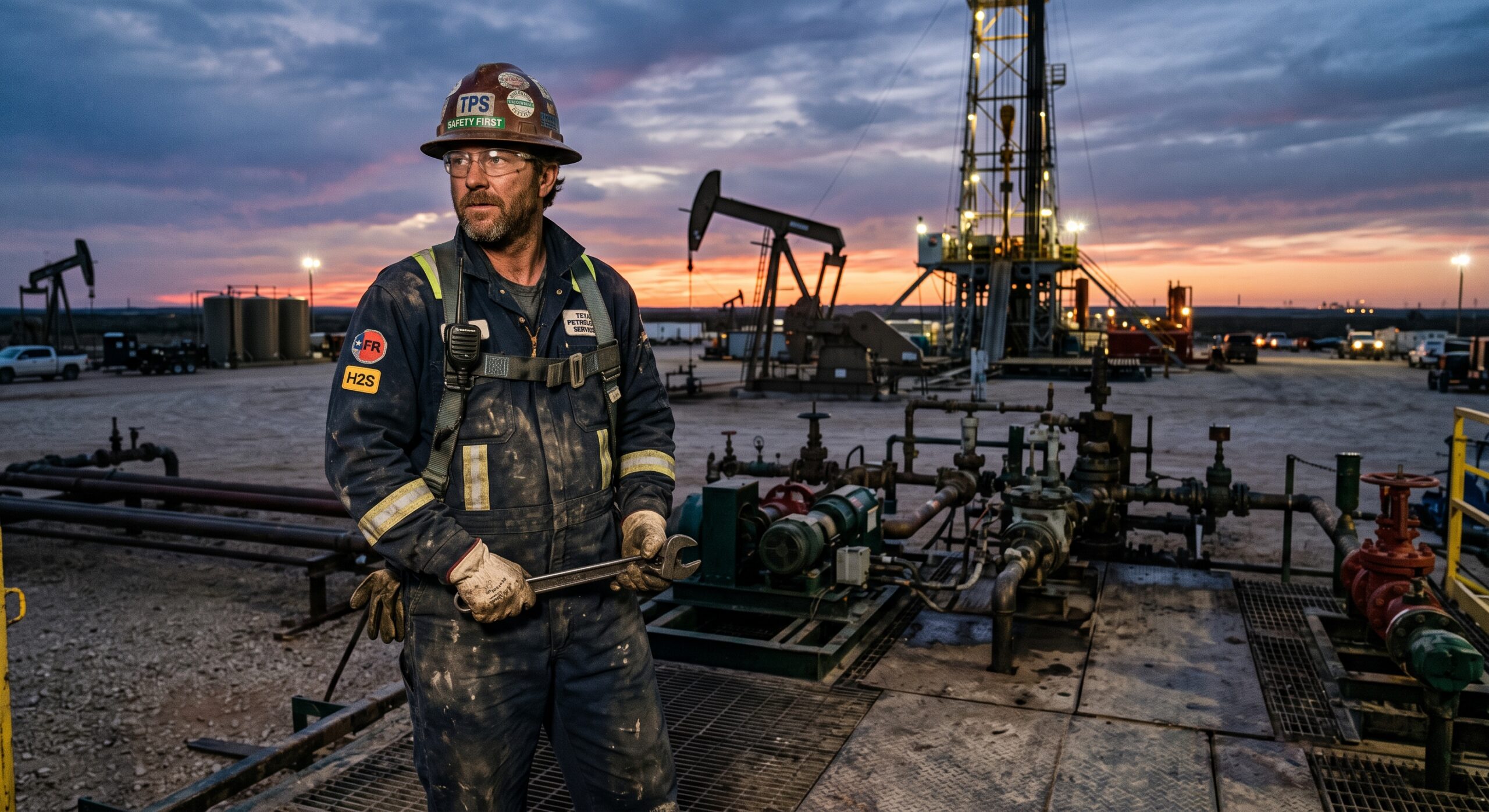
Texas Oilfield Burn Lawsuits: What You Need to Know
An oilfield burn lawsuit is a civil claim for money damages against the party whose negligence caused a fire or explosion on the job. A burned worker can file one, and so can the family of a worker who died. In Texas, that claim often recovers far more than workers’ compensation pays, because it can reach a negligent well operator, contractor, or equipment maker. Greenberg Streich Injury Lawyers handle catastrophic oilfield burn cases across Texas, including a $20 million recovery for an oilfield burn victim.
Key Takeaways
- A burn lawsuit is separate from workers’ compensation, and many injured oilfield workers can pursue both at the same time.
- Texas gives injured workers two years from the date of injury to file most oilfield burn lawsuits, under Texas Civil Practice and Remedies Code Section 16.003.
- Flash fires in oil and gas operations reach 1,000 to 1,900 degrees Fahrenheit and cause roughly 16 percent of oilfield fatalities, according to OSHA.
- A worker can sue a negligent third party, like a well operator or equipment maker, even after accepting workers’ compensation benefits.
- When an employer carries no workers’ comp, that “nonsubscriber” loses its core legal defenses under Texas Labor Code Section 406.033.
- Preserving evidence early, including incident reports, damaged equipment, and flame-resistant clothing records, often decides these cases.
- A lawsuit can recover full pain and suffering and lost earning capacity, which workers’ compensation never pays.
What is an oilfield burn lawsuit, and who can file one?
An oilfield burn lawsuit seeks money from the person or company whose negligence caused a burn injury. It can arise on a drilling site, a well pad, a frac spread, or a production facility. A burned worker can file it. So can the surviving family of a worker who died, through a Texas wrongful death claim. The claim runs separately from any workers’ compensation benefits.
Oilfield burns are common because the work surrounds flammable materials. Flash fires, well blowouts, tank explosions, and electrical arc flashes all cause severe burn injuries. The CDC studied oil and gas extraction deaths from 2014 through 2019. Fires and explosions caused 128 of the 470 worker fatalities, roughly 27 percent. The Permian Basin alone accounted for 31.5 percent of those deaths.
Is a workers’ compensation claim the same as a burn lawsuit?
No. Workers’ compensation is a no-fault insurance benefit paid through your employer. It covers medical bills and part of your lost wages. It never pays for pain and suffering. A burn lawsuit, by contrast, is a fault-based claim, and it can recover the full range of damages. Many injured oilfield workers pursue both, because the two paths point at different pockets.
That distinction drives the value of most cases. Oilfield sites mix employees of the operator, the drilling contractor, service companies, and equipment vendors. As a result, a burned worker often has a third-party claim against a company that is not the direct employer. That claim is usually where the real recovery lives.
| Workers’ comp (subscriber employer) | Third-party lawsuit | Nonsubscriber lawsuit | |
| Recovery comes from | Employer’s comp insurer | A negligent outside company | A non-covered employer |
| Fault you must prove | None | The third party’s negligence | Any employer negligence (defenses stripped) |
| Pain and suffering | Not paid | Recoverable | Recoverable |
| Typical filing deadline | Report within 30 days | 2 years | 2 years |
Who can be held liable for an oilfield burn injury in Texas?
Liability in an oilfield burn case can reach well operators, contractors, site owners, and the makers of defective equipment. The key question is whose negligence created the fire, not who signed your paycheck. More than one company is often responsible. Texas law lets an injured worker pursue each of them.
Texas courts also hold employers responsible for the conduct of their crews. Vicarious liability means an employer’s legal responsibility for an employee’s negligence. In Painter v. Amerimex Drilling I, Ltd., 561 S.W.3d 125 (Tex. 2018), the Texas Supreme Court applied that rule in an oilfield setting. It held a drilling company could answer for a crash caused by a worker it paid to transport the crew. The court refused to let the employer escape by carving up control task by task.
What safety rules govern oilfield fire and burn hazards?
Federal OSHA rules require operators to control the fire and explosion hazards that cause oilfield burns. Under 29 C.F.R. Section 1910.132(a), employers must provide and require flame-resistant clothing wherever flash-fire hazards exist. Facilities that handle large volumes of hydrocarbons must also follow the Process Safety Management standard at 29 C.F.R. Section 1910.119.
A violation of these rules is powerful evidence of negligence. OSHA has documented that oilfield flash fires reach 1,000 to 1,900 degrees Fahrenheit and last up to five seconds. They account for about 16 percent of oilfield deaths. An operator may skip flame-resistant clothing, ignore hot-work permits, or bypass process safety controls. That failure often lines up directly with the burn a worker suffered.
How long do I have to file an oilfield burn lawsuit in Texas?
Two years. Texas Civil Practice and Remedies Code Section 16.003 sets a two-year deadline for most injury and wrongful death claims. The clock runs from the date of the injury or death. Miss that deadline, and the court will almost always dismiss the case no matter how strong it is.
Two years sounds long, but it is not. Evidence at an oilfield site disappears fast. Equipment gets repaired or scrapped, sites get remediated, and witnesses move on. Because of that, the practical deadline to start an investigation is far shorter than the legal one. Waiting is the most common way a valid burn claim loses value.
What evidence matters most in an oilfield burn case?
The strongest oilfield burn cases rest on physical and documentary evidence gathered before it vanishes. Key items include the incident and near-miss reports, the maintenance and inspection logs, and the hot-work permits. The flame-resistant clothing issued to the worker matters too, as do the names of every crew member on site. Photographs and the damaged equipment itself carry real weight.
Medical documentation matters just as much. Doctors measure burn severity by total body surface area, or TBSA, and by burn depth. Both drive the medical and future-care picture. Injured workers should also avoid giving recorded statements to a company investigator before speaking with a lawyer. Those early statements exist to limit the company’s exposure, not to help the worker.
What is an oilfield burn claim worth?
No honest lawyer promises a number, because value depends on the specific facts. Still, several factors consistently drive the worth of an oilfield burn claim. Those include burn severity and TBSA, the cost of past and future medical care, and lost earning capacity. The strength of the liability evidence and whether a death occurred also matter. Severe burns often require years of surgeries and rehabilitation, which pushes future-care costs high.
The type of claim matters just as much. Workers’ compensation pays nothing for pain and suffering. A third-party or nonsubscriber lawsuit is usually where a burned worker recovers full damages. In wrongful death cases involving gross negligence, Texas Labor Code Section 408.001(b) can open the door to exemplary damages. As one measure of the stakes, the lawyers at Greenberg Streich have recovered $20 million for an oilfield burn victim and $12.7 million in a separate oilfield case.
How do companies and insurers fight oilfield burn claims?
Operators and their insurers fight these claims hard and early. Common tactics include sending a rapid-response team to shape the site evidence. Insurers also blame the injured worker for the fire and call him an independent contractor, not a covered employee. If the employer is a nonsubscriber, though, it loses key common-law defenses. Many still push quick lowball settlements before the worker learns the true cost of future care. Recorded statements and signed releases are frequent traps.
Because of that, injured workers benefit from counsel who has handled catastrophic industrial and burn cases. Experienced counsel knows how the other side builds its defense. Greenberg Streich attorneys move fast to preserve evidence, identify every liable company, and counter the standard defense arguments early. If you were burned in a Texas oilfield incident, Greenberg Streich Injury Lawyers offers a free, confidential consultation. The firm charges no fee unless it wins. Call 832-583-3471 to speak with an attorney today.
Frequently Asked Questions
How long do I have to file an oilfield burn lawsuit in Texas?
You generally have two years from the injury or death under Texas Civil Practice and Remedies Code Section 16.003. Evidence disappears fast, so contact a lawyer well before the deadline.
Can I sue if I already accepted workers’ compensation?
Yes. Workers’ comp does not bar a claim against a negligent third party, like a well operator or equipment maker. Many injured oilfield workers pursue both at once.
Who can be sued for an oilfield burn injury?
Well operators, contractors, site owners, and equipment manufacturers can all be liable if their negligence caused the fire. Often more than one company shares responsibility.
What if my employer has no workers’ compensation insurance?
Then your employer is a nonsubscriber. Under Texas Labor Code Section 406.033, it loses key legal defenses. That makes the company far easier to hold responsible.
What damages can I recover in an oilfield burn case?
A lawsuit can recover medical bills, lost earning capacity, disfigurement, and pain and suffering, which workers’ comp never pays. Gross negligence and death cases may allow exemplary damages.
Does it cost anything to talk to an oilfield burn lawyer?
No. Greenberg Streich Injury Lawyers offers free, confidential consultations and charges no fee unless the firm wins. Call 832-583-3471 anytime to discuss your case.
Burned in a Texas Oilfield Fire or Explosion? Talk to Greenberg Streich.
Workers and families hit by a Texas oilfield burn deserve answers before the operator’s insurer shapes the story. A Houston oilfield injury lawyer at Greenberg Streich investigates oilfield fires and explosions statewide, from the Permian Basin to the Gulf Coast. The firm charges no fee unless it wins. Reach an attorney directly at 832-583-3471.