Texas Left Turn Laws And Fault Rules
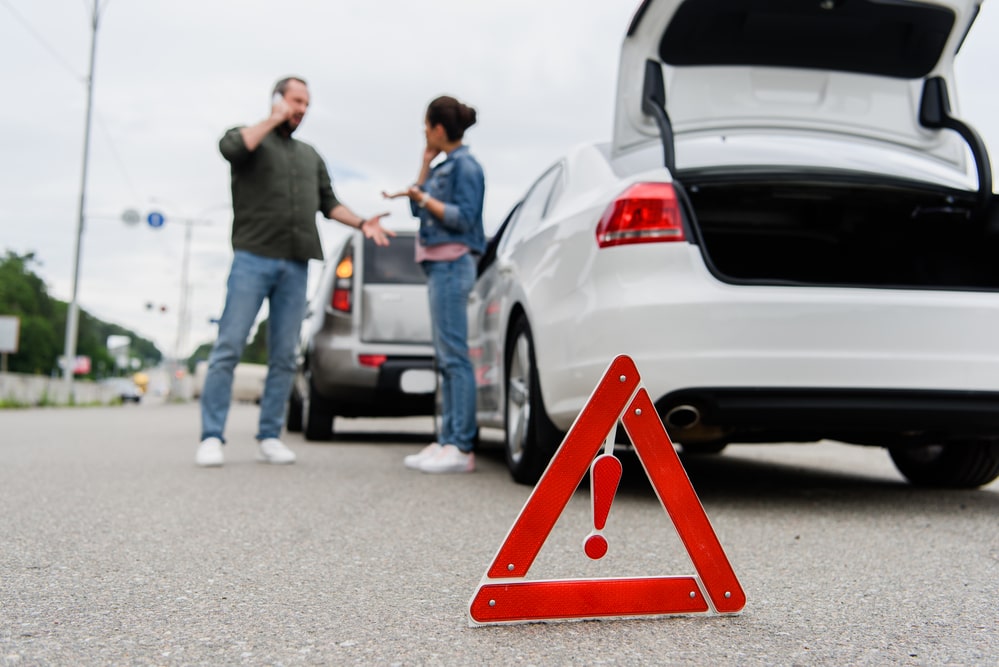
Left turn accidents happen all the time at Texas intersections. When they do, figuring out who’s at fault usually comes down to state right-of-way laws. And here’s what you need to know: drivers making left turns face much stricter legal duties than those traveling straight through.
How Texas Defines Right Of Way At Intersections
The Texas Transportation Code is pretty clear about who has priority. If you’re turning left, you’ve got to yield to oncoming traffic that’s close enough to be an immediate hazard. This applies at controlled intersections with signals and uncontrolled ones without them. Straight-through traffic almost always wins. The driver making the left turn has to wait until it’s actually safe to complete the turn without forcing oncoming vehicles to slow down, stop, or swerve out of the way.
When Left Turn Drivers Are Presumed At Fault
Texas law creates what’s called a rebuttable presumption. That means the person making the left turn typically bears responsibility unless they can prove otherwise. A Sugar Land car accident lawyer can help establish liability in these complicated situations. Why does this presumption exist? Left turns require crossing the path of oncoming traffic, which obviously increases collision risk. Courts have recognized this for decades. Several factors make this presumption even stronger:
- The turning driver didn’t yield at a green light
- The turn was made against a red or yellow signal
- The driver misjudged how fast or how close approaching vehicles were
- Visibility was clear with no obstructions blocking the view
Exceptions That Shift Liability
Not every left-turn accident automatically blames the turning driver. Texas recognizes plenty of situations where the straight-through driver shares fault or bears complete responsibility.
When The Oncoming Driver Is At Fault
Sometimes the oncoming motorist is liable. If they were speeding excessively, ran a red light, or drove recklessly, fault shifts. And if the turning driver had a green arrow signal? They had the protected right of way, period. The oncoming vehicle that entered the intersection illegally would be at fault. Mechanical failures matter too. Brake failure in the straight-through vehicle can shift responsibility entirely. The same goes for distracted or impaired driving by the oncoming motorist.
Shared Fault Under Texas Law
Texas follows a modified comparative negligence rule, which means multiple parties can share responsibility. You can still recover damages if you’re less than 51% at fault. Your compensation just gets reduced by your percentage of fault. A Sugar Land car accident lawyer might argue that both drivers contributed. Maybe the turning driver started the turn safely, but then the oncoming vehicle suddenly accelerated. Both parties could share liability in that scenario.
Proving Fault In Left Turn Accidents
Evidence makes or breaks these cases. Traffic camera footage is gold. So are witness statements and accident reconstruction. Skid marks tell a story. Vehicle damage patterns reveal what actually happened. Even intersection geometry provides physical proof. Police reports carry significant weight, though they’re not the final word. Officers note traffic control devices, weather conditions, and each driver’s account. But insurance companies have their own investigators, too.
What This Means for Your Claim
Understanding these laws protects your rights after intersection accidents. Insurance companies will try to place full blame on the turning driver, even when circumstances clearly suggest shared fault or oncoming driver negligence. They’ll push hard because it saves them money. Don’t let them. Greenberg Streich, PLLC helps accident victims throughout Fort Bend County gather evidence and build strong cases. We analyze traffic patterns, obtain witness statements, and work with accident reconstruction professionals when the case demands it. If you’ve been injured in a left-turn collision, contact our firm to discuss your legal options and potential compensation.