Multi-Car Pileups During Snowstorms – Who Is Liable In A Chain-Reaction Crash?
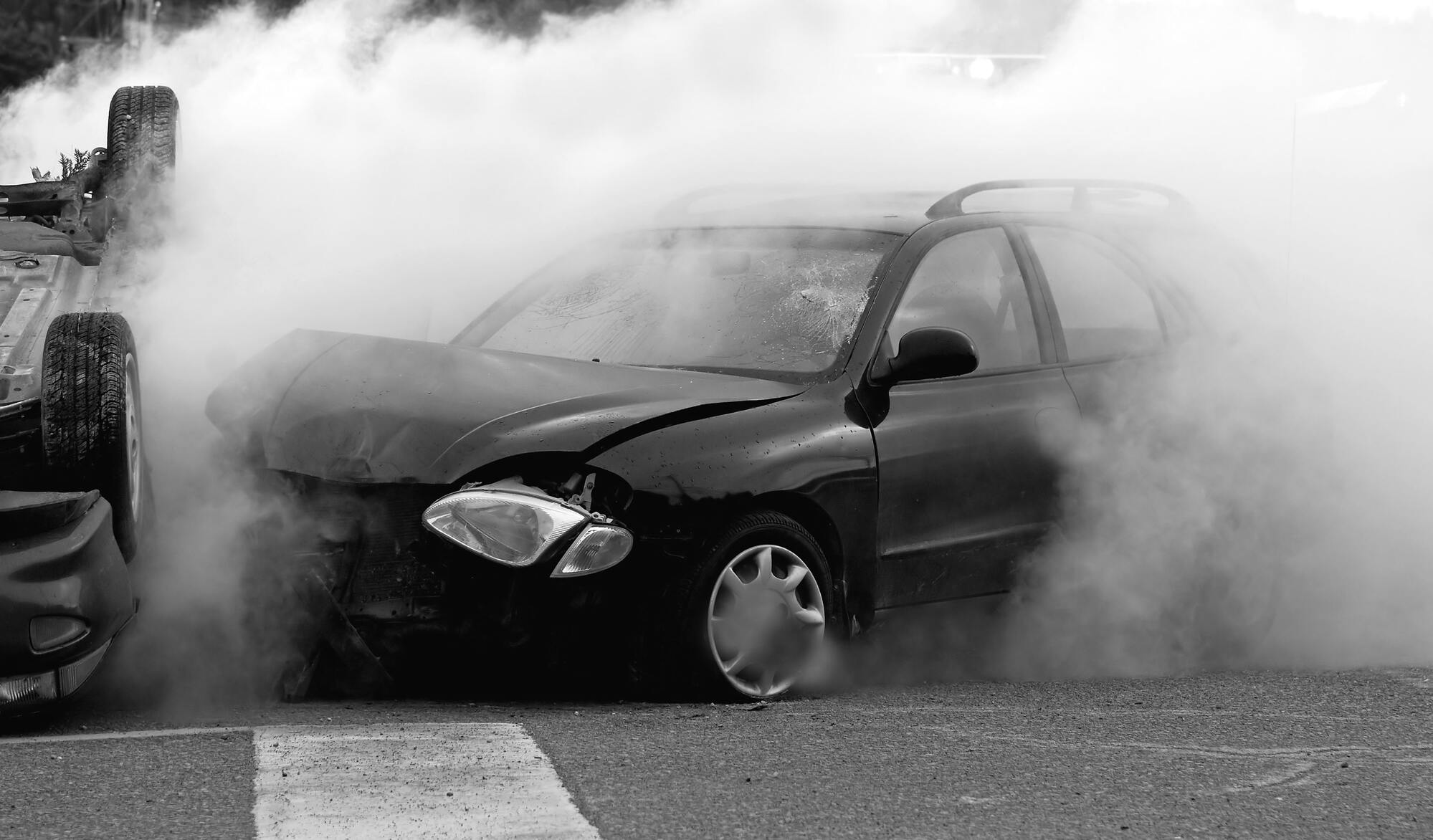
Snowstorms can turn highways into scenes of chaos in minutes. Poor visibility, icy pavement, and sudden stops often lead to multi-vehicle pileups, also known as chain-reaction crashes.
These accidents are some of the most dangerous winter collisions because they involve multiple impacts, multiple vehicles, and often severe injuries. Determining who is legally responsible can be far more complicated than in a typical two-car accident.
Below, our colleagues at KBD Attorneys explain who may be liable in a chain-reaction crash.
Why Chain-Reaction Crashes Happen In Winter
Snowy and icy conditions create a domino effect on the road.
Common contributing factors include:
Reduced visibility: Blowing snow and whiteout conditions make it difficult to see brake lights ahead.
Slippery pavement: Vehicles need more distance to stop, and sudden braking can lead to sliding.
Following too closely: Drivers who don’t increase their following distance in bad weather may not stop in time.
Sudden slowdowns: One vehicle losing control can trigger a chain reaction.
Large vehicles: Trucks and SUVs may have longer stopping distances, increasing impact severity.
Even cautious drivers can become involved once a pileup begins.
Why Injuries Are Often Severe
Multi-car crashes involve repeated impacts, which increases the likelihood of serious harm.
Common injuries include:
- Whiplash and neck injuries
- Back and spinal trauma
- Traumatic brain injuries
- Broken bones
- Internal injuries
Occupants may be struck from multiple directions, compounding the force of impact.
How Liability Is Determined
Many people assume snow alone is to blame, but drivers still have a legal duty to operate safely for conditions.
Liability in pileups often depends on:
- Which driver started the chain reaction
- Whether drivers were speeding for conditions
- Following distance between vehicles
- Brake and tire condition
- Whether hazard lights or warning signals were used
In some cases, multiple drivers may share responsibility.
Can Weather Be A Legal Defense?
A car accident lawyer knows that bad weather does not automatically excuse unsafe driving. Courts often examine whether a driver adjusted their behavior appropriately.
For example, a driver who was traveling too fast for icy conditions or tailgating another vehicle may still be considered negligent, even during a snowstorm.
The Role Of Evidence
Because many vehicles are involved, evidence becomes especially important.
Helpful evidence may include:
- Police crash reports
- Dashcam or traffic camera footage
- Witness statements
- Vehicle damage patterns
- Weather and road condition reports
Accident reconstruction experts can be used in complex chain-reaction cases to help determine what happened.
What To Do After A Multi-Car Winter Crash
If you are involved in a pileup:
- Call emergency services immediately
- Seek medical care, even if injuries seem minor
- Take photos if it’s safe to do so
- Exchange information with other drivers
- Avoid speculating about fault at the scene
These crashes can involve multiple insurance companies and complicated claims.
Multi-Car Crashes Are Complex
Multi-car pileups during snowstorms are frightening, chaotic, and often life-changing. While winter weather creates dangerous driving conditions, drivers are still expected to use reasonable caution.
Understanding how liability works in these complex crashes can help injured people recognize when a chain-reaction accident may have been preventable.