How CT Scans May Predict Seizures After a TBI
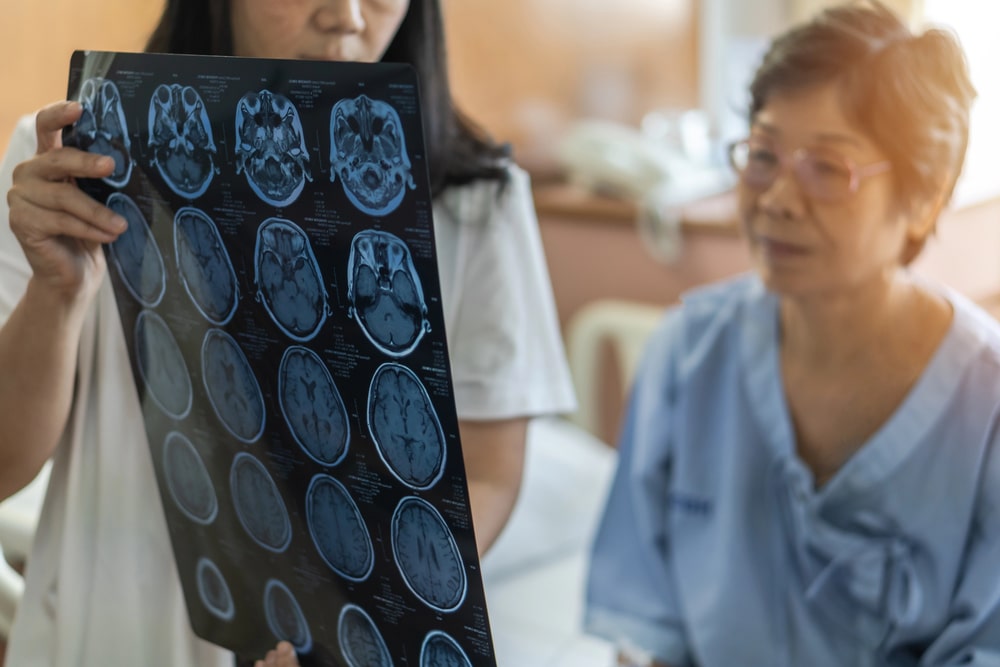
Seizures are one of the most serious long-term complications of a traumatic brain injury, and for years doctors have had no reliable way to know which patients will develop them. A new study out of Houston may change that. Researchers used machine learning to find patterns in routine CT scans that appear to predict seizure risk months before symptoms appear.
What the Houston Study Found
Researchers at McGovern Medical School at UTHealth Houston studied 82 patients treated for traumatic brain injuries at level 1 trauma centers in the Houston area. Every one of these patients had received a standard non-contrast head CT scan in the emergency room, the same scan nearly every TBI patient gets.
The team applied a technique called radiomics. In plain terms, radiomics uses software to measure thousands of subtle features in a medical image, including texture patterns and differences between the left and right sides of the brain, that no radiologist could spot with the naked eye.
The results were encouraging. A model built on imaging data alone predicted late post-traumatic seizures with moderate accuracy. When the researchers added basic clinical information, such as the patient’s Glasgow Coma Scale score at admission and whether they received anti-seizure medication, accuracy improved significantly. The best model reached an AUC of 0.842, which is considered strong performance for this kind of prediction tool.
The full study was published in Scientific Reports in 2026.
Why Seizure Prediction Matters After a Brain Injury
Post-traumatic epilepsy is not rare. Research cited in the study found that roughly 9% of all TBI patients develop it, and the rate climbs to 15% or higher among those with severe injuries. A single late seizure, meaning one that occurs more than seven days after the injury, carries an 82% chance of recurrence within ten years.
Those numbers matter for anyone recovering from a serious head injury. They also matter in a legal case. According to the CDC, hundreds of thousands of Americans are hospitalized with traumatic brain injuries each year, and many face consequences that unfold slowly over months or years.
A future seizure disorder affects nearly every part of an injury claim:
- Ongoing medical treatment, including long-term anti-seizure medication and neurology care
- Loss of driving privileges, which affects employment and independence
- Reduced earning capacity in jobs that involve machinery, heights, or transportation
- The cost of future emergency care if seizures occur
If you settle a claim before this risk is understood, you may absorb those costs yourself. And once a case is resolved, there is no going back to ask for more.
What This Means for TBI Victims in Texas
Tools like this are not yet part of everyday hospital practice. The researchers were clear that larger studies are needed before this model can guide individual treatment decisions. Still, the direction is promising. Better prediction means doctors can monitor high-risk patients more closely, and it means attorneys can build stronger evidence about what a client’s future actually looks like.
This is where experienced legal counsel makes a practical difference. A Houston, TX TBI lawyer will work with medical professionals to document not just the injuries you have today, but the complications you may face down the road.
Insurance companies often push for quick settlements in brain injury cases precisely because the full picture takes time to develop. A knowledgeable TBI lawyer in Houston understands this tactic and knows how to counter it with medical evidence, projections of future care costs, and testimony from treating physicians.
Talk to a Firm That Handles Brain Injury Cases
Brain injury claims demand patience and careful medical documentation. If you or someone you love suffered a head injury in an accident caused by someone else’s negligence, Greenberg Streich Injury Lawyers can review your situation and explain your options. Contact our team today to discuss your case with an attorney who understands what a traumatic brain injury really costs over a lifetime.